
What Is Cortisol: The Stress Hormone in Real Life

What Cortisol Really Is in Everyday Life — Not Just the “Stress Hormone”
Cortisol is a glucocorticoid hormone produced by the adrenal glands. It regulates the body’s stress response, energy metabolism, and circadian rhythm through the HPA axis (hypothalamus–pituitary–adrenal axis).
Although cortisol is often called the “stress hormone,” physiologically it is a hormone essential to life that helps the body adapt to its environment.
Table of Contents
Introduction
The label “stress hormone” often leads people to view cortisol as the culprit behind many health problems, but in reality cortisol plays a vital role in the body’s basic functions.
The key questions are:
- What does cortisol actually do?
- When does cortisol begin to affect the gut?
- What kind of stress starts to impact the body’s systems?
To understand the role of cortisol, we need to view it through the framework of stress physiology and the gut–brain axis.
1️⃣ What Is Cortisol
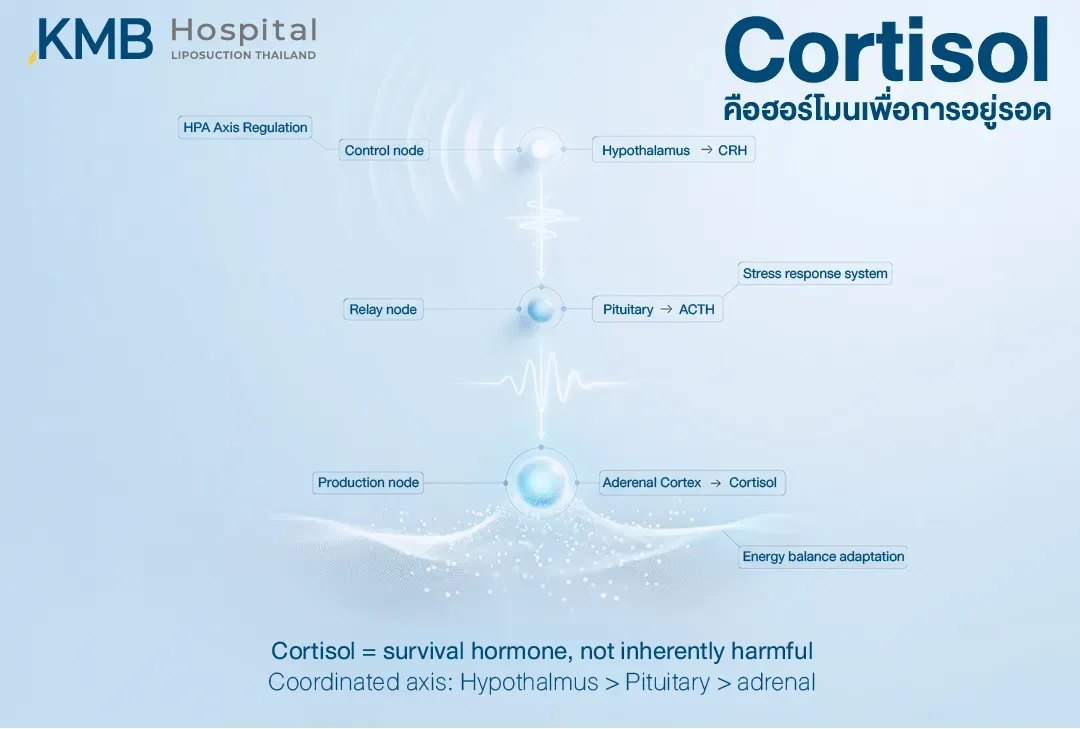
Cortisol is a hormone in the glucocorticoid group, produced by the adrenal glands (adrenal cortex).
Cortisol secretion is regulated through the
HPA axis (Hypothalamic–Pituitary–Adrenal axis)
- Hypothalamus → releases CRH
- Pituitary → releases ACTH
- Adrenal gland → releases cortisol
This system enables the body to respond to stress and to balance its energy.
2️⃣ What Cortisol Does
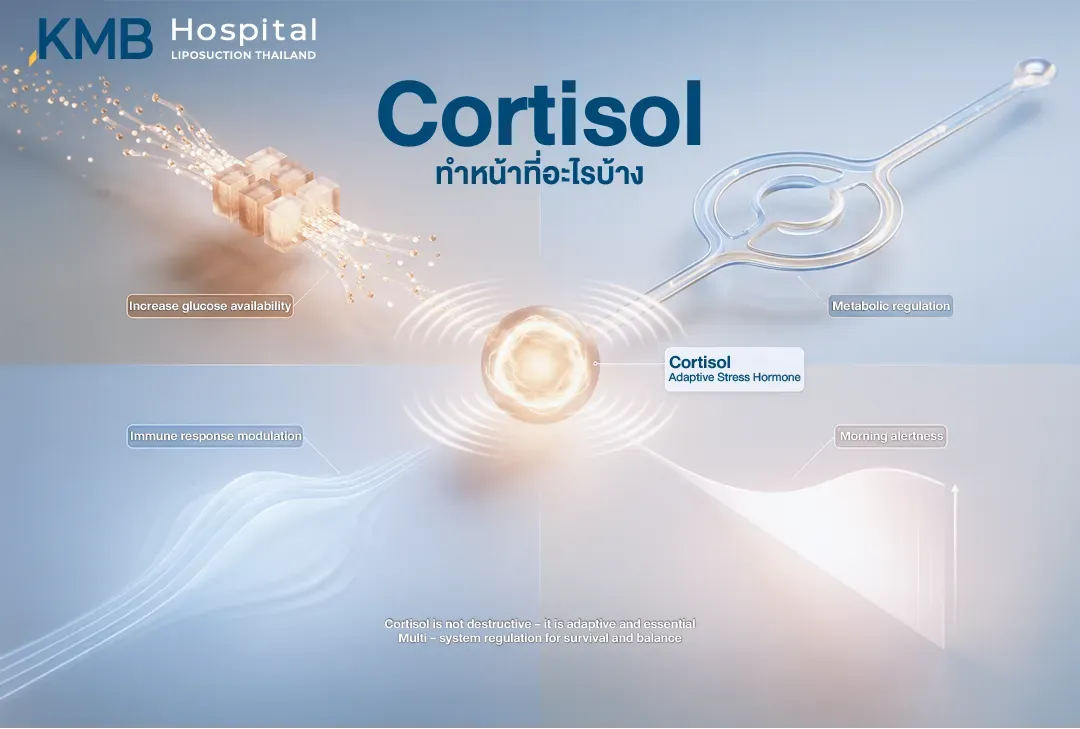
Cortisol does not merely respond to stress; it also plays an important role in metabolism.
- Increases glucose availability
- Supports metabolic regulation
- Modulates the immune response
- Helps the body wake and stay alert in the morning
Reviews in stress physiology confirm that cortisol is part of the adaptive stress response.
3️⃣ Cortisol and Circadian Rhythm
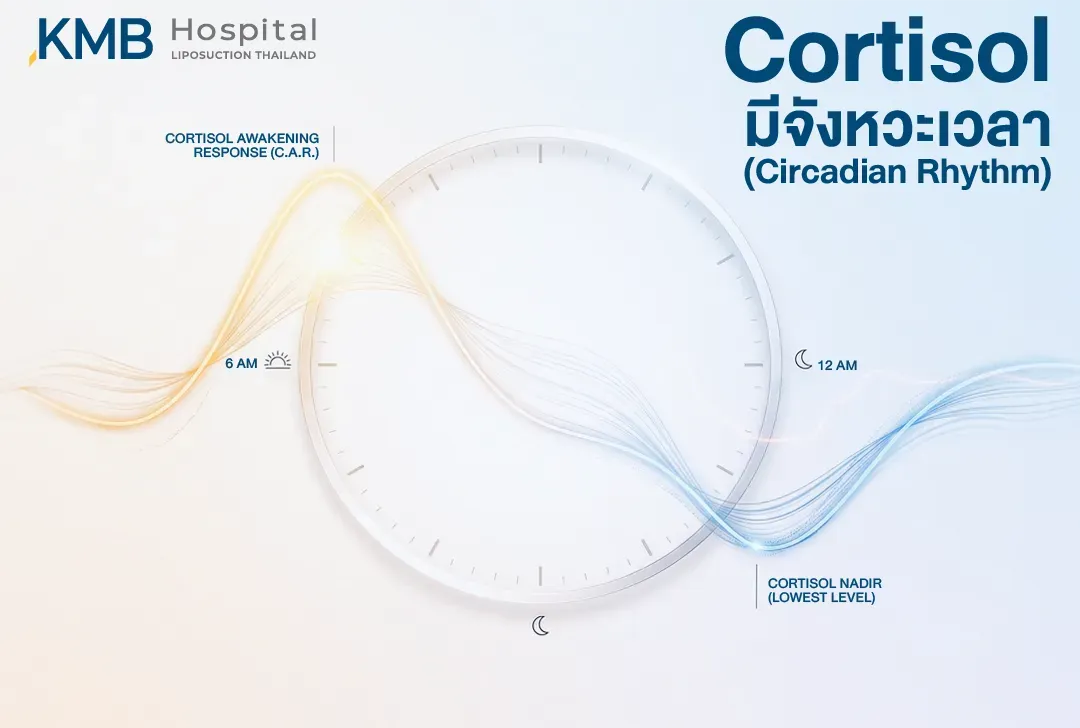
Cortisol follows a clear 24-hour rhythm.
- Peaks in the morning (cortisol awakening response)
- Gradually declines through the evening
- Reaches its lowest point during the night
This rhythm is linked to:
- Waking
- Energy
- Metabolism
A disruption of circadian cortisol is commonly seen in chronic stress or circadian disruption.
Read more about the body’s biological rhythm in the article Circadian Rhythm: How the Body Clock Links the Gut and Hormones
4️⃣ Acute vs Chronic Stress
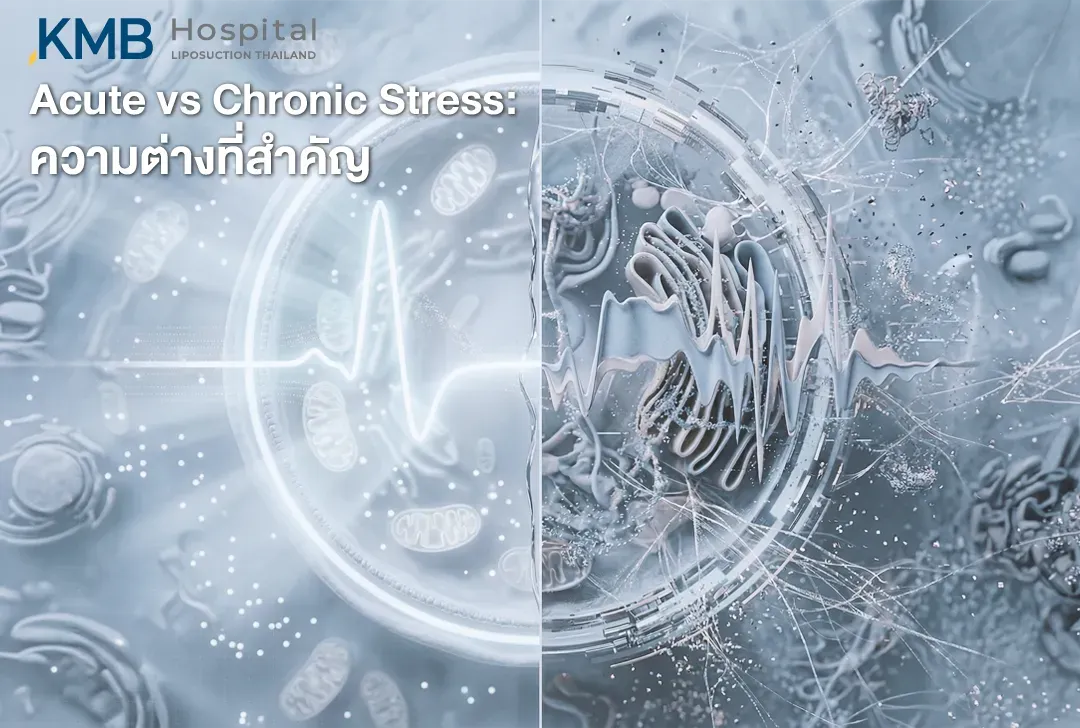
Acute Stress
- Temporarily raises cortisol
- Is an adaptive response
- Helps boost focus and energy
Chronic Stress
- HPA axis dysregulation
- Abnormal cortisol rhythm
- Altered immune modulation
Adverse physiological effects are usually associated with chronic dysregulation rather than a temporary rise in cortisol.
5️⃣ Cortisol and the Gut
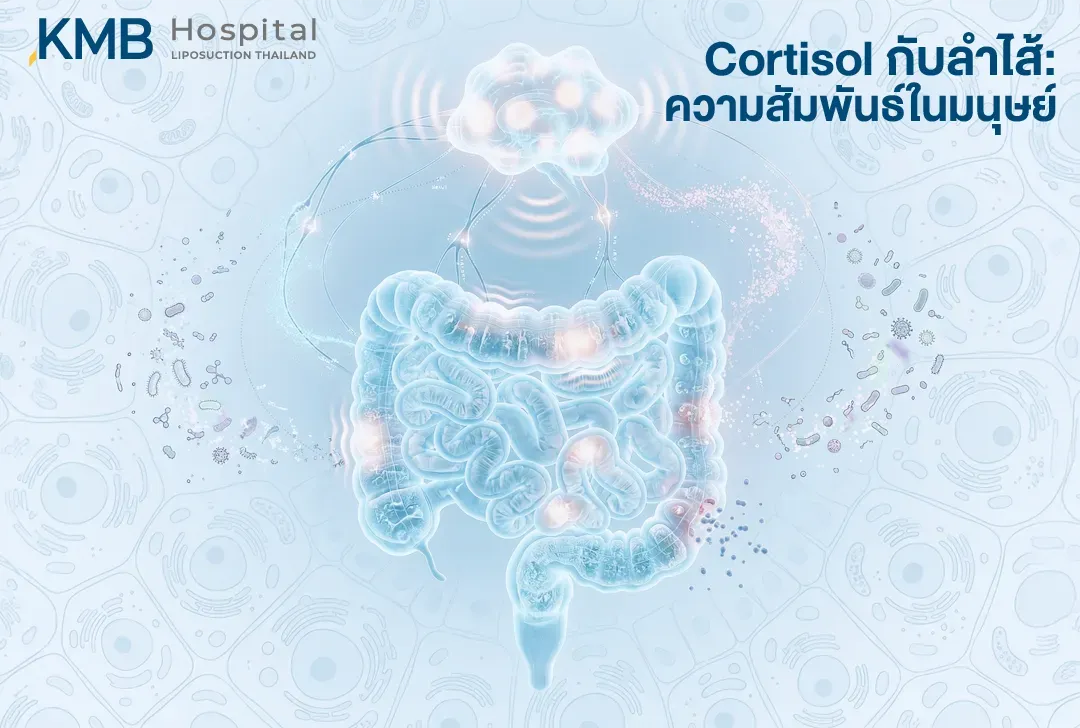
Human evidence supports that chronic stress may be associated with:
- Changes in gut motility
- Visceral sensitivity
- Gut barrier function
- Microbiome composition
However, most of the evidence is associative rather than a causal relationship.
Read more about the role of the microbiome in metabolism at Why Bacterial Diversity Matters More Than Taking a Single Strain
6️⃣ Common Misunderstandings
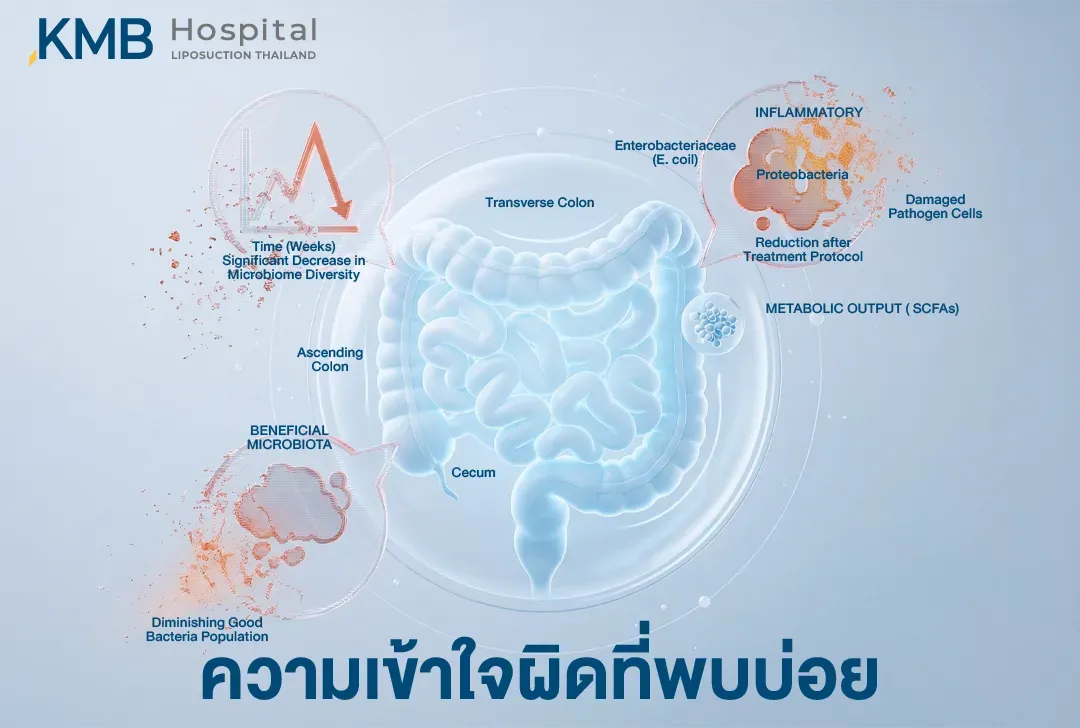
- A slightly elevated cortisol level does not immediately throw the gut out of balance
- There is no evidence that brief stress permanently damages the microbiome
- The term “detox cortisol” has no scientific basis
7️⃣ Gut–Brain Axis and the Stress Loop
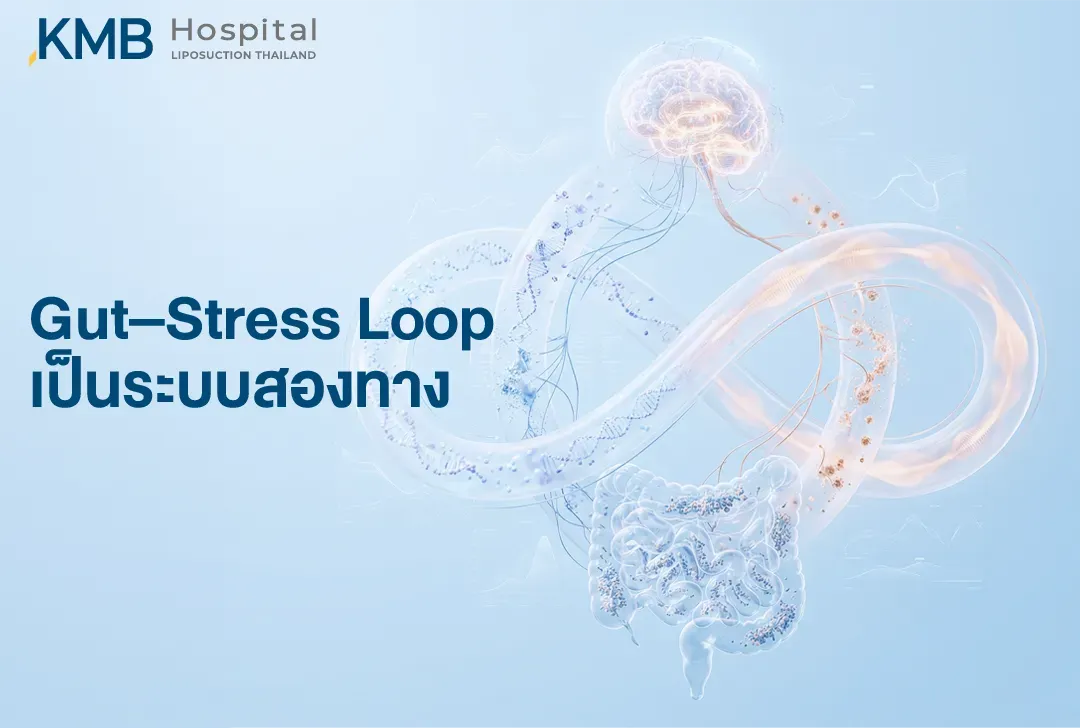
Today, researchers explain this relationship through the microbiota–gut–brain axis
- Stress affects gut signaling
- The gut sends signals back to the brain
- This creates a bidirectional loop
Related article: Bacteria and the Stress Hormone: How Stress Can Change the Gut
FAQ
Q: What is cortisol?
Cortisol is a glucocorticoid hormone produced by the adrenal glands. It regulates the body’s stress response, energy metabolism, and circadian rhythm.
Q: What causes high cortisol?
Cortisol levels may rise from stress, insufficient sleep, inflammation, or intense exercise, but a temporary increase is a normal mechanism of the stress response system.
Q: Does cortisol affect the gut?
Chronic stress may be associated with changes in gut signaling and the microbiome, but there is not yet causal evidence that cortisol alone causes dysbiosis.
Q: Does stress make you crave more sweets?
Stress can increase reward sensitivity to high-energy foods. Read more in the article Why Some People Want to Keep Eating Sweets Right After Having Them
Recommended Further Reading
- True Hunger vs Craving: The Gut–Hormone Axis
- How Fiber Helps Control Blood Sugar Through Bacteria
- Sugar, Dysbiosis, and Sugar Craving
- Post-Meal Crash: Is Feeling Sleepy After Eating Related to Insulin?
References
- Herman JP, et al. Regulation of the hypothalamic–pituitary–adrenocortical stress response. Compr Physiol. 2020.
- Nicolaides NC, et al. Stress and the role of glucocorticoids. Neuroimmunomodulation. 2020.
- Moloney RD, et al. Stress and the microbiota–gut–brain axis. Neurogastroenterol Motil. 2021.
- Cryan JF, et al. The microbiota–gut–brain axis. Physiol Rev. 2023.
Content Information
Written by: Medical Content Team, KMB Hospital
Reviewed by: Clinical Governance Committee, KMB Hospital
Published: 25 March 2026
Last updated: 25 March 2026