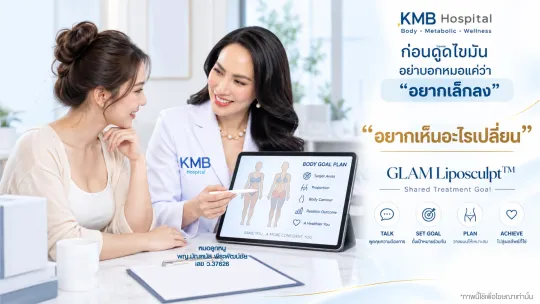
How to Choose an Abdominal Liposuction Program Safely

How to Choose an Abdominal Liposuction Program Safely
An abdominal liposuction program is a medical procedure, so the decision should not be based solely on convenience, price, or the image of the facility. Instead, priority should be given to safety systems, medical care, and clear communication of information. Making a careful choice from the very beginning helps reduce risk and provides greater peace of mind in the long term.
How to Choose an Abdominal Liposuction Program Safely
- Safety systems and medical standards
- Physical assessment before the procedure
- Care during and after the procedure
- Honest, straightforward communication of information
- Not rushing the decision or making unrealistic promises about results
Choosing based on the overall system of care helps reduce risk and builds greater confidence in the decision than considering price, promotions, or image alone.
Key Principles to Consider Before Deciding on an Abdominal Liposuction Program
An abdominal liposuction program is not an ordinary cosmetic service; it is a procedure that requires a proper medical system, a care team, and an assessment suited to each individual. Safety therefore does not depend on technique alone, but on several components working together, including:
- A system for assessing patients before the procedure
- The environment and medical standards
- Communication of information and advice that can be clearly understood
- Continuous follow-up and aftercare
- Sound decisions should be based on clear information
- Not on haste or pressure from external factors
Read more about the continuity of care at KMB Hospital here: Continuum of Care: The Continuous Care of
How to Safely Choose a Clinic or Hospital for an Abdominal Liposuction Program
Choosing a facility for an abdominal liposuction program should take several aspects into account, not just aesthetic outcomes, but also medical standards, systems of care, and clear communication of information, in order to reduce risk and enhance safety during treatment.
1. Standards and Medical Systems
Choose a clinic or hospital with a clear, standards-compliant system of care. A facility with a well-organized operational structure helps reduce the risks that may arise during treatment.
2. Care Throughout Every Stage of Treatment
The safety of a liposuction program is not limited to the time of the procedure itself, but includes care from before the procedure through to afterward, such as:
- Assessing the body's suitability before the procedure
- Systematic care during the procedure
- Monitoring symptoms and providing advice after the procedure
- Continuous care helps reduce the likelihood of complications and gives patients greater confidence
3. Providing Clear Information
The doctor should explain important information honestly, such as the results that can realistically be expected
- Limitations based on each person's physical condition
- Risks that should be understood before deciding
- Clear communication is part of medical safety
4. Respecting the Patient's Decision
A good medical facility should give patients the opportunity to ask for more information and time to consider before deciding, without rushing them into the procedure.
5. Peace of Mind and Shared Understanding
The decision to undergo a liposuction program should arise from a full understanding of the information and expectations that align with those of the doctor. If you still feel unsure or the information is not yet clear, gathering more information before deciding is a sensible choice.
Warning Signs to Watch for When Choosing a Facility for a Liposuction Program
- Rushing the decision or imposing time limits
- Promising results in the form of a guarantee
- Avoiding any discussion of risks or limitations
- Not allowing room to ask for more information
These signs may reflect a greater emphasis on speed than on long-term safety.
KMB Hospital's Approach to Care
KMB Hospital treats the abdominal liposuction program as a medical procedure, emphasizing suitability assessment and a comprehensive system of care. Its approach to care includes:
- Assessing each patient individually before the decision is made
- A system of care before, during, and after the procedure
- Honest, straightforward communication of information
- Allowing time to decide without rushing
A medical environment designed for safety
FAQ | Frequently Asked Questions
Q : Where should I choose to have an abdominal liposuction program done safely?
A : Choose a facility with a clear safety system, pre-procedure assessment, care during and after the procedure, and honest, straightforward communication of information, rather than deciding on price alone.
Q : Does an abdominal liposuction program carry any risks?
A : A liposuction program is a medical procedure, so it can carry risks. Having it done within a system that meets standards and provides care throughout the entire process can help reduce those risks.
Q : What should I do if I am still unsure where to choose?
A : Delaying the decision in order to ask for more information is part of making a safe decision.
In Summary, When Choosing a Medical Facility for an Abdominal Liposuction Program, Consider
- Medical standards
- Systems of care
- Communication
- Respect for the patient's decision
When the information is clear and expectations align with reality, risk is reduced and long-term peace of mind is increased.
Read More from a Doctor's Perspective (Related Knowledge)
To understand the concept of continuous care in more accessible language, you can read articles from the website doctorlooknuu.com
Click to read more
- Before a Liposuction Program: Which Body Types Should “Adjust the Plan” and Which Should Not Force It
- What Is FAT Mapping, and Why a Liposuction Program Should Begin with a “Map”
- A Liposuction Program: “What It Can Change” and “What It Cannot Change”
Content Information
Prepared by: Medical Content Team, KMB Hospital (Thailand)
Reviewed in accordance with medical standards by: KMB Hospital Clinical Governance
Purpose of the content: This article is intended to provide health information and support careful medical decision-making.
It is not a substitute for individual medical advice.
First published: 11 February 2026
Last updated: 10 March 2026