
Chronic Stress and the Microbiome: Does Stress Really Throw the Gut Out of Balance?
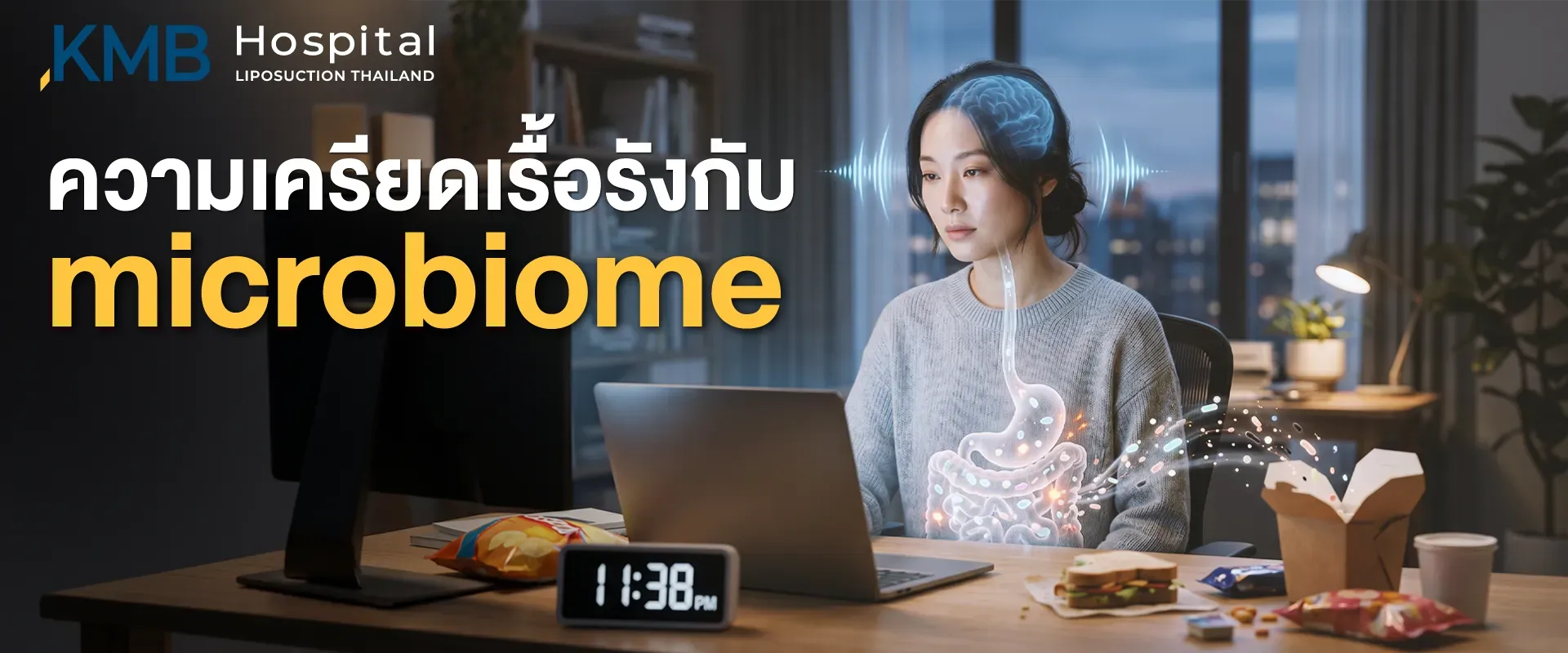
Chronic Stress and the Microbiome: Does Stress Really Throw the Gut Out of Balance?
Answer-first:
Chronic stress may be associated with changes in the gut microbiome through mechanisms of the gut–brain axis, such as shifts in stress-hormone rhythms, sleep, and eating behavior. However, most human evidence remains at the level of association, and there is still no causal evidence confirming that stress alone throws the microbiome permanently out of balance.
Table of Contents
Introduction
Common questions include:
- Does prolonged stress really throw the gut out of balance?
- Does stress change the bacteria in the gut?
- If you're in a prolonged state of burnout, will the microbiome break down?
The answer is that there is an association-level relationship, but no clear causal proof yet.
It's important to distinguish between:
- Acute stress response
- Chronic stress exposure
- Lifestyle-mediated microbiome change
---
1️⃣ How Stress Affects the Microbiome
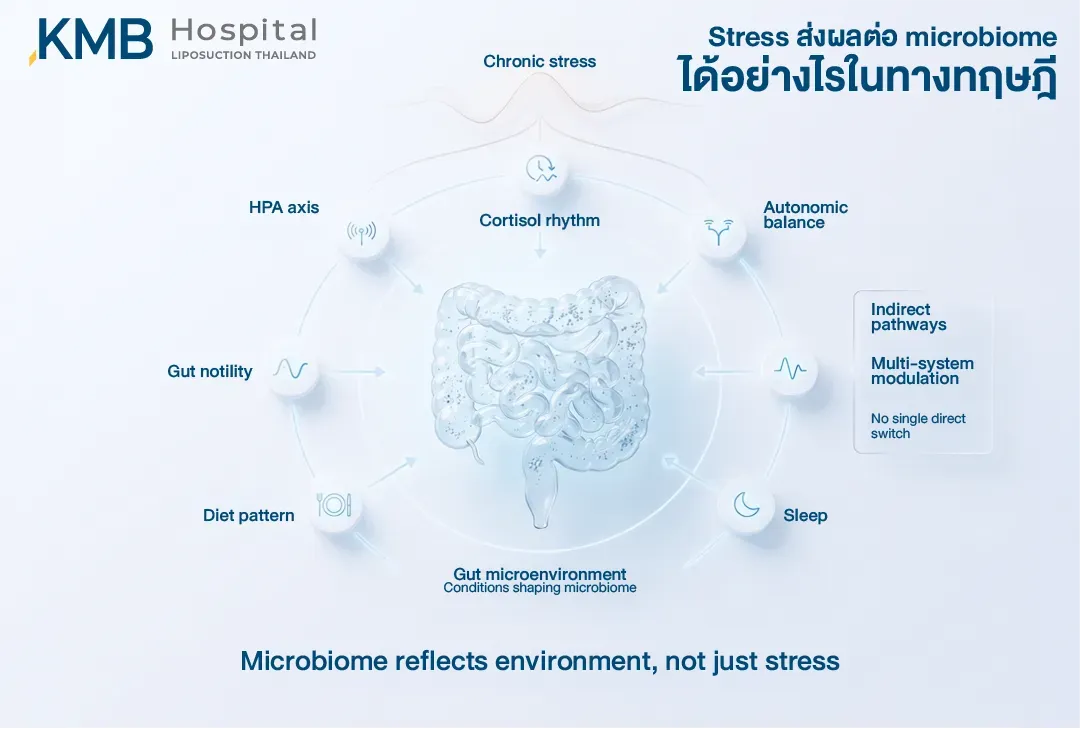
Chronic stress may act through several mechanisms, such as:
- HPA axis dysregulation
- Cortisol rhythm alteration
- Autonomic imbalance
- Altered gut motility
- Sleep disruption
- Dietary pattern shift
These factors can alter the gut microenvironment.
Read more about stress and the gut at Is the Gut Really Sensitive to Stress?
---
2️⃣ Human Evidence
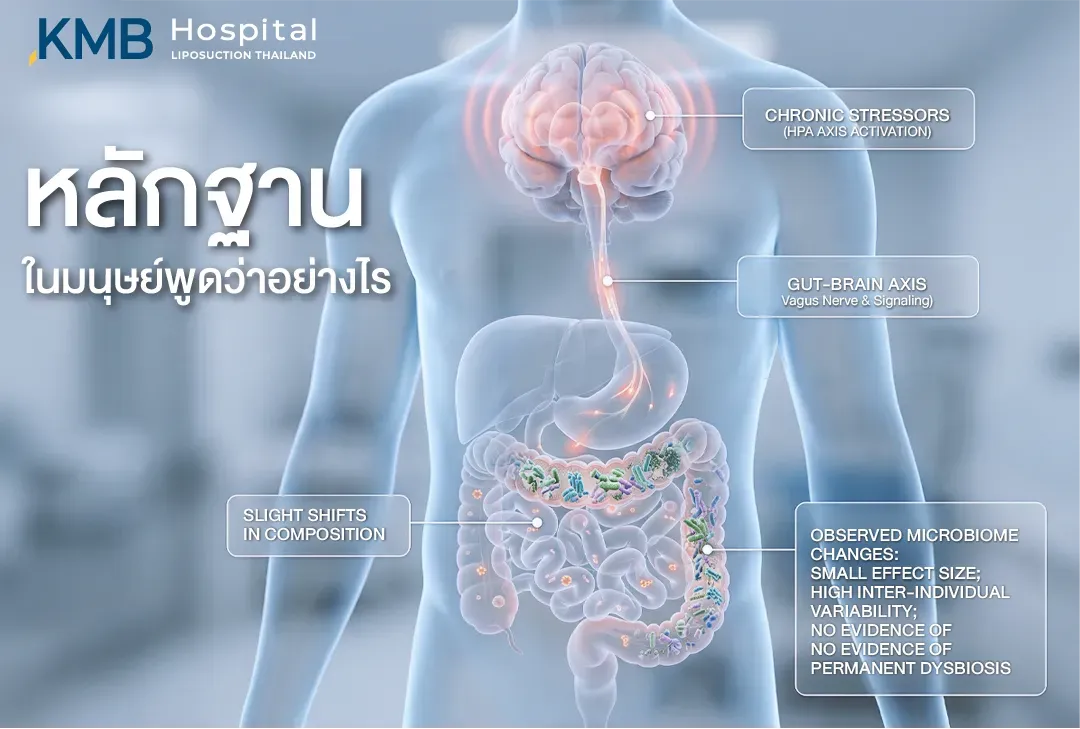
Some studies have found that chronic stress may be associated with:
- a slight reduction in microbiome diversity
- changes in the relative abundance of certain taxa
- a slight increase in inflammatory signaling
However, effect sizes tend to be small, and there is considerable variability between studies.
Therefore, there is still no strong evidence that psychological stress alone causes permanent dysbiosis in healthy individuals.
---
3️⃣ Human vs Animal Evidence
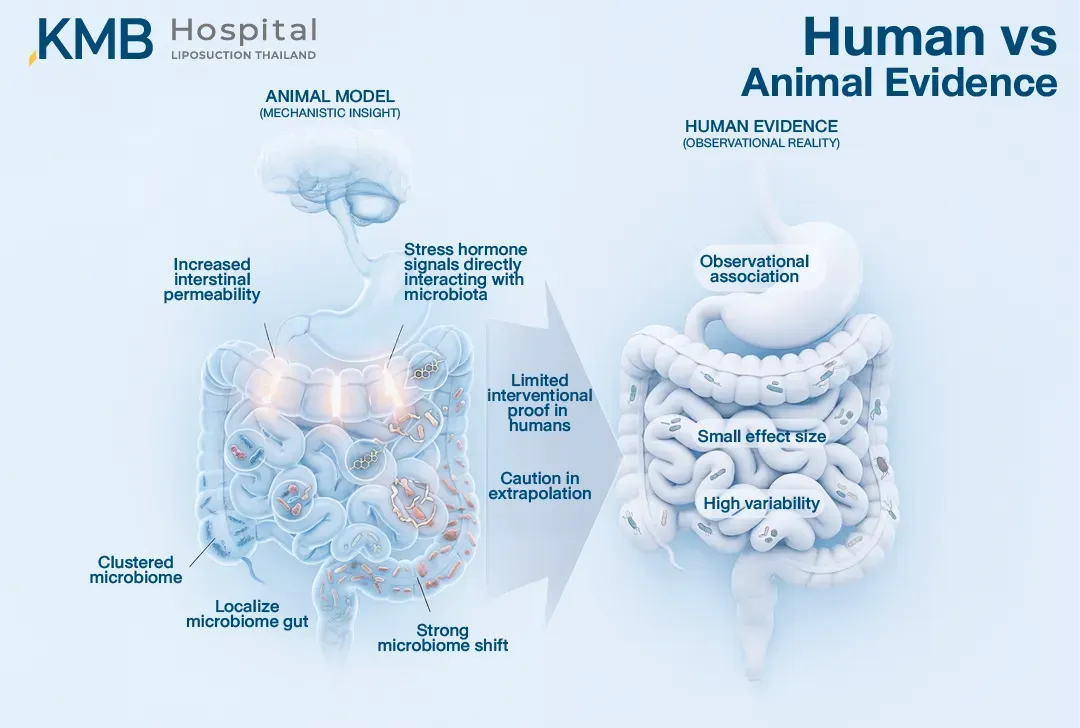
Many mechanisms, such as:
- stress-induced permeability change
- direct microbial modulation via stress hormones
come from studies in laboratory animals.
In humans, most evidence is still observational association and lacks interventional proof.
---
4️⃣ How Quickly Does Stress Take Effect
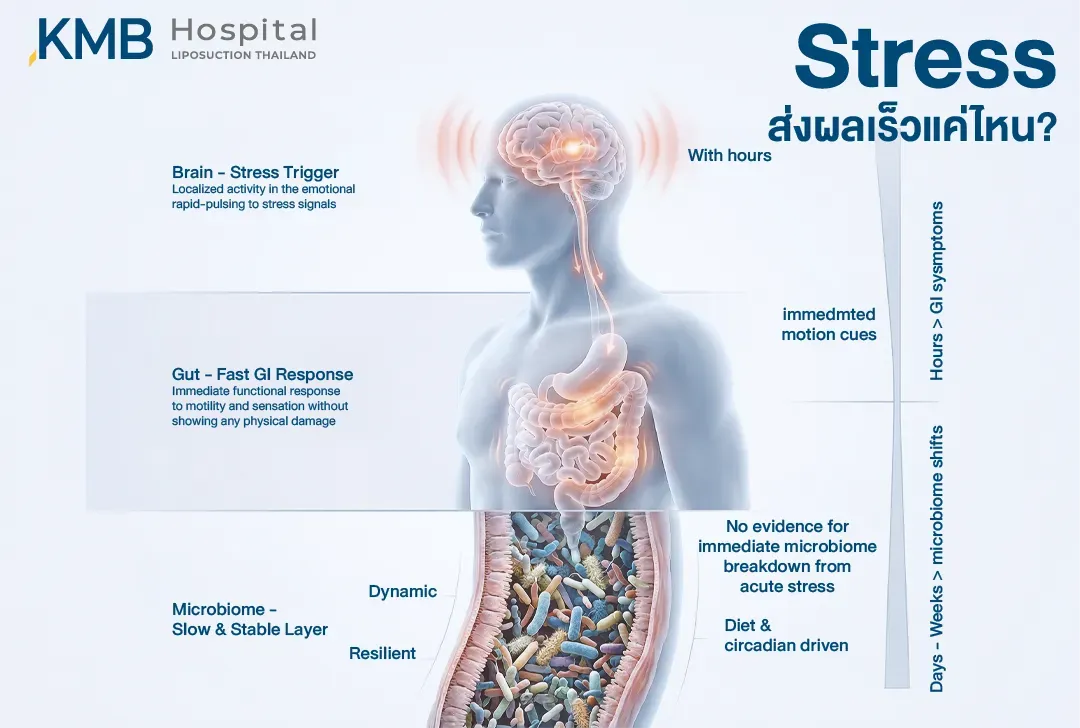
GI symptoms from stress can arise within hours.
But microbiome composition usually changes more slowly, because the microbiome is a system that is:
- dynamic
- resilient
- responsive to diet and circadian rhythm
So there is no evidence that short-term stress “breaks” the microbiome instantly.
---
5️⃣ Lifestyle mediator
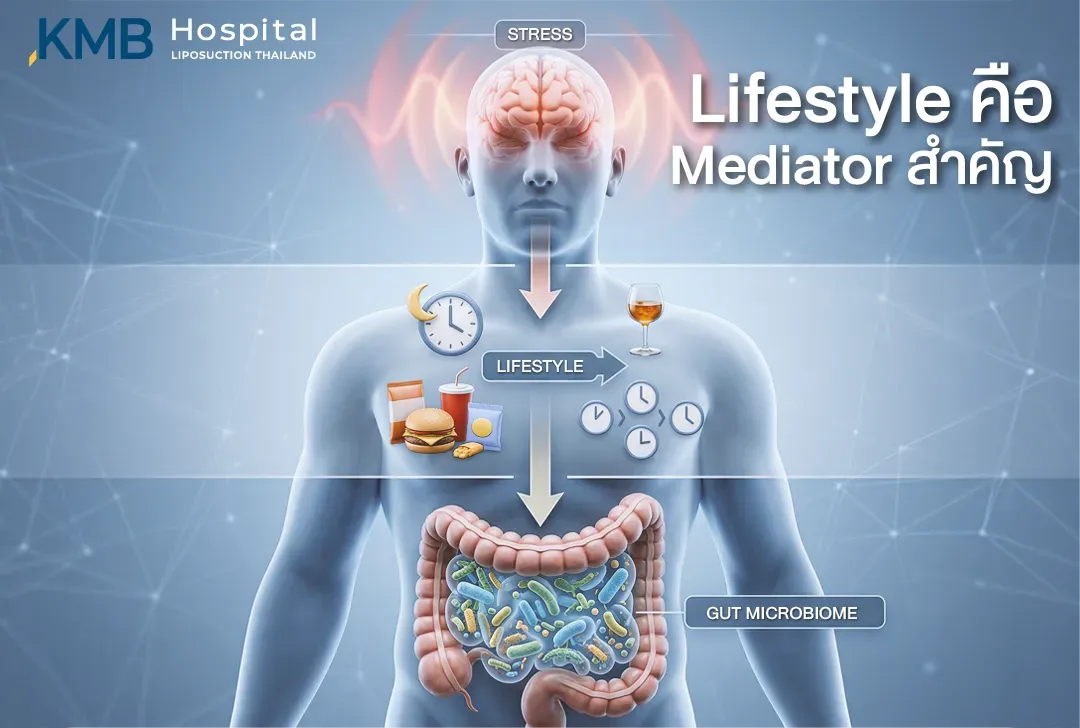
Chronic stress often comes with:
- insufficient sleep
- late-night eating
- reduced fiber intake
- increased ultra-processed food
- increased alcohol
These factors have stronger evidence for changing the microbiome.
So it may be fair to say that:
Stress is an accelerator, but lifestyle is what truly shapes the structure of the microbiome.
---
6️⃣ Inflammation and immune modulation
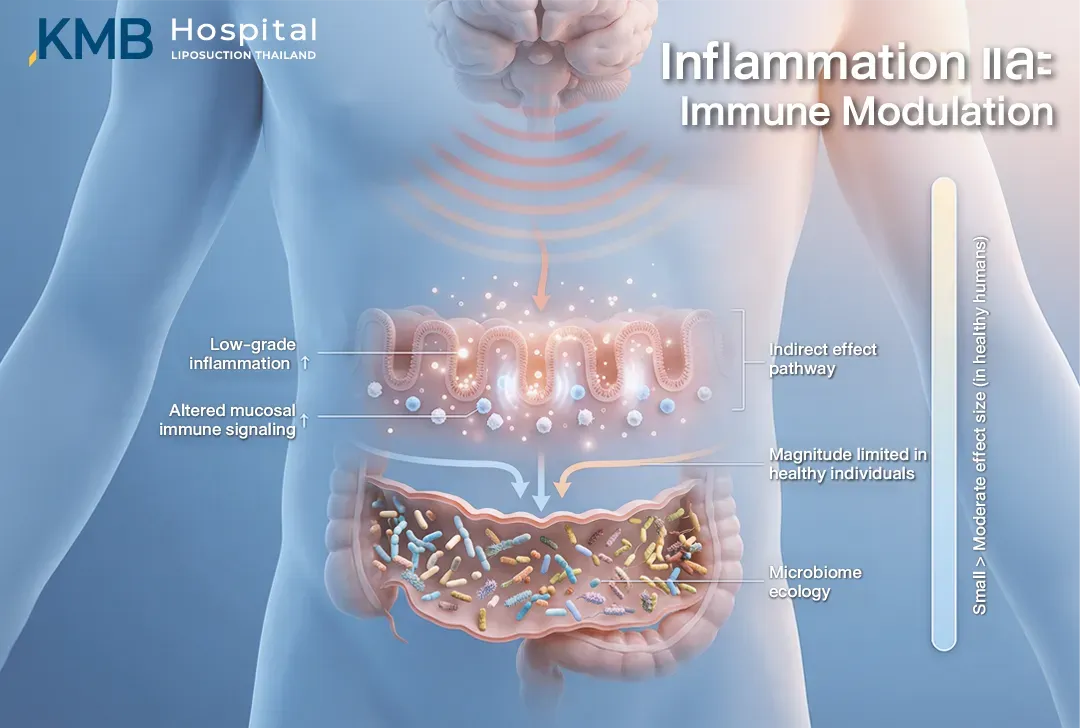
Some studies have found that chronic stress may be associated with:
- low-grade inflammatory tone
- altered mucosal immune signaling
But the magnitude of these effects in healthy individuals is usually small to moderate.
---
7️⃣ Bidirectional loop
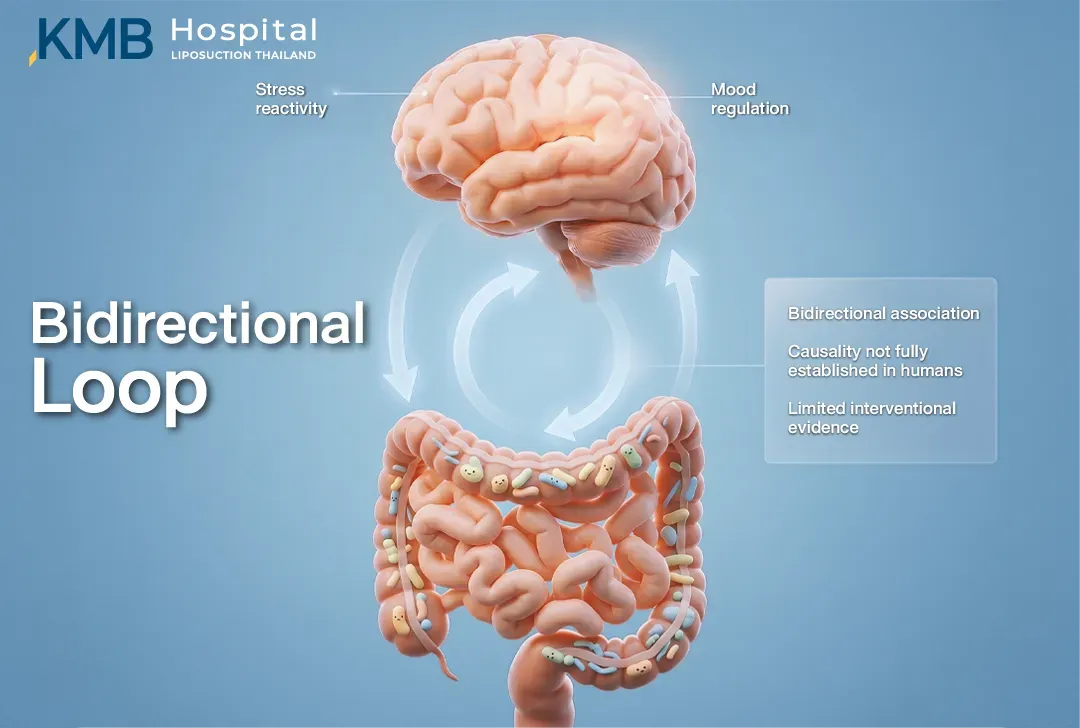
The microbiome and stress may have a two-way relationship:
- stress may affect the microbiome
- the microbiome may be linked to mood regulation
This is the gut–brain bidirectional interaction.
---
8️⃣ Recovery & reversibility
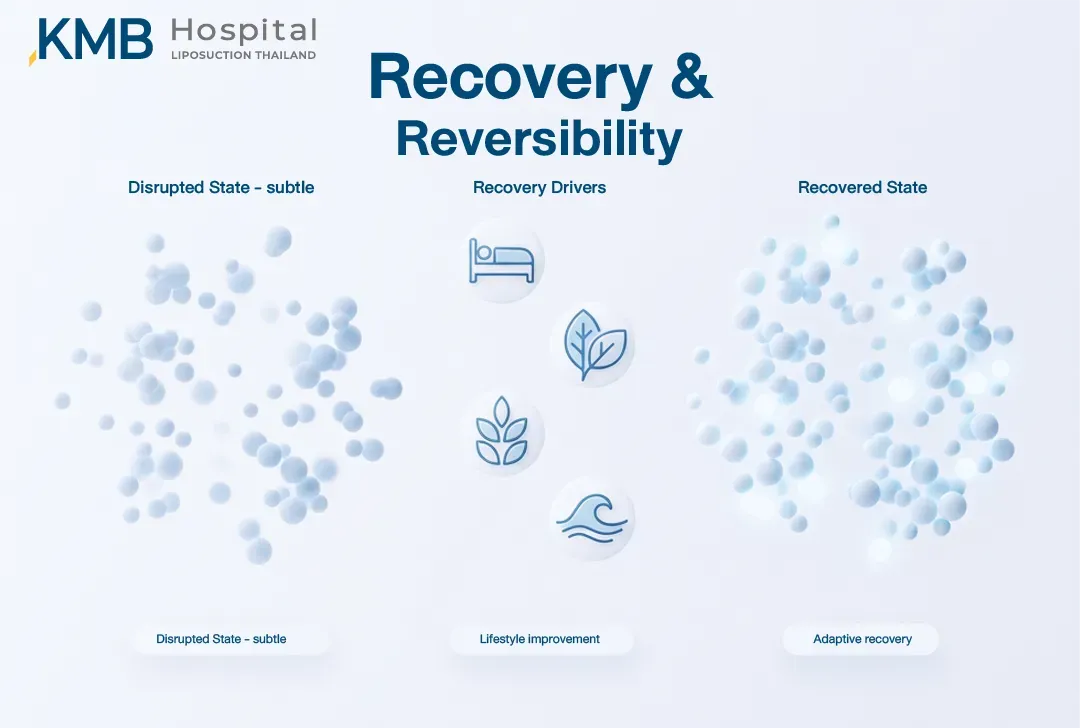
The microbiome is highly flexible.
When:
- sleep improves
- diet quality improves
- fiber intake increases
- stress load decreases
microbiome diversity and composition can usually adapt back.
There is still no evidence that chronic stress causes permanent damage to the microbiome in the general population.
---
Key Takeaways
- Chronic stress can be associated with the microbiome
- Most evidence is association-based
- Effect sizes in humans tend to be small
- Many mechanisms come from animal models
- Lifestyle plays a bigger role than stress alone
- The microbiome is flexible and reversible
---
FAQ
Does stress throw the microbiome out of balance?
Chronic stress may be associated with changes in the microbiome, but the causal evidence is still unclear.
Does stress break the microbiome instantly?
There is no evidence that acute stress changes the microbiome instantly.
What has the greatest impact on the microbiome?
Diet, sleep, and lifestyle have clearer evidence than stress alone.
---
Recommended Further Reading
- Is the Gut Really Sensitive to Stress?
- What Is the Mechanism Behind Emotional Eating?
- Burnout and the Metabolic System
- The Diversity of Gut Bacteria
---
Hospital Authority
Written by: Medical Content Team, KMB Hospital
Reviewed by: Clinical Governance Committee, KMB Hospital
Published: 27 March 2026
Last updated: 27 March 2026
References
- Mayer EA, Padua D, Tillisch K. Nat Rev Gastroenterol Hepatol. 2021.
- Mayer EA, Savidge T, Shulman RJ. Gastroenterology. 2020.
- Palsson OS et al. Gut. 2020.
- Van Oudenhove L et al. Gastroenterology. 2021.
- Carvalho FM et al. Neurogastroenterol Motil. 2022.
- Browning KN, Travagli RA. Comprehensive Physiology. 2020.
- Konturek PC et al. J Physiol Pharmacol. 2021.