
Why Bowel Movements Are Harder Before Your Period: Does Progesterone Really Slow the Gut?
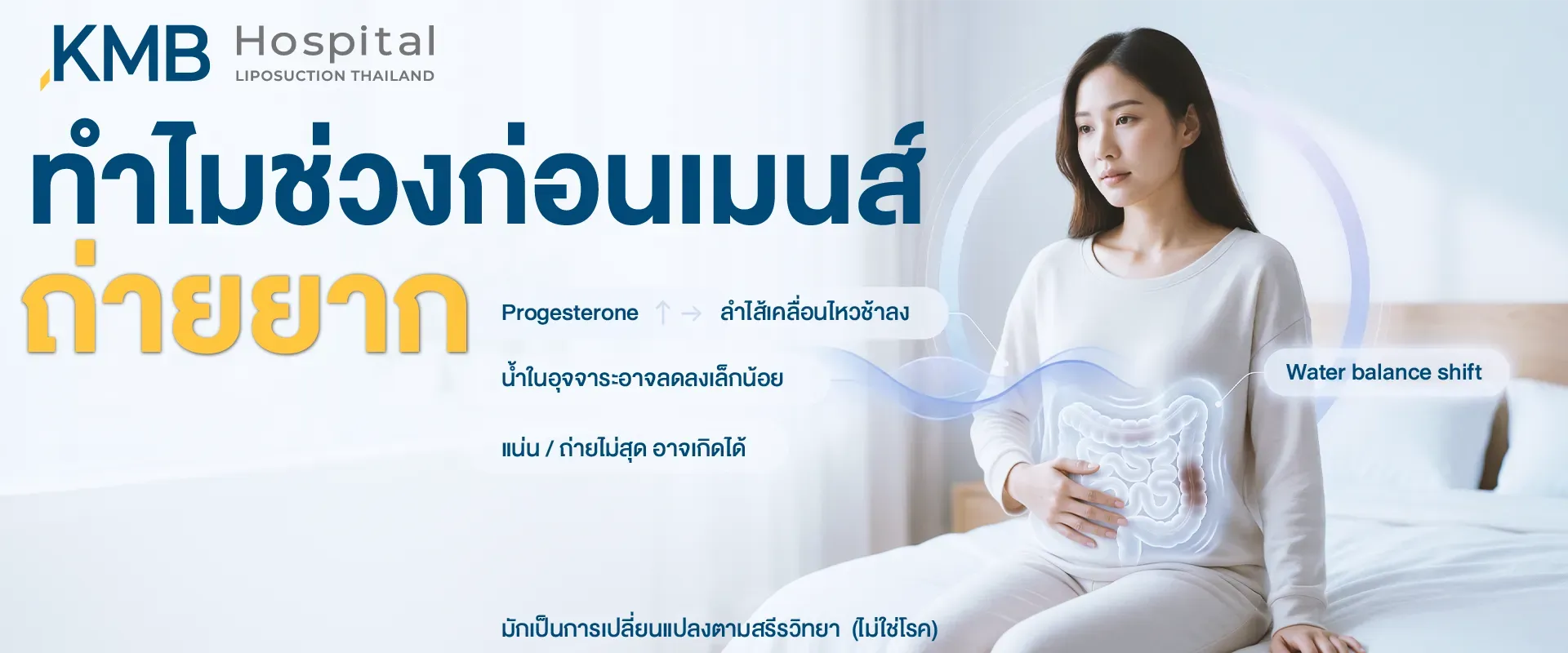
Why Bowel Movements Are Harder Before Your Period: Does Progesterone Really Slow the Gut?
Answer-first:
Difficulty passing stool before menstruation can occur in some people due to the rise in progesterone during the late luteal phase, which may slow bowel movement slightly. This is combined with changes in water balance and behaviors such as drinking less water or being less physically active. In general, these symptoms are mild to moderate and are not a serious abnormality in most people.
Table of Contents
1️⃣ Which phase of the cycle makes bowel movements harder
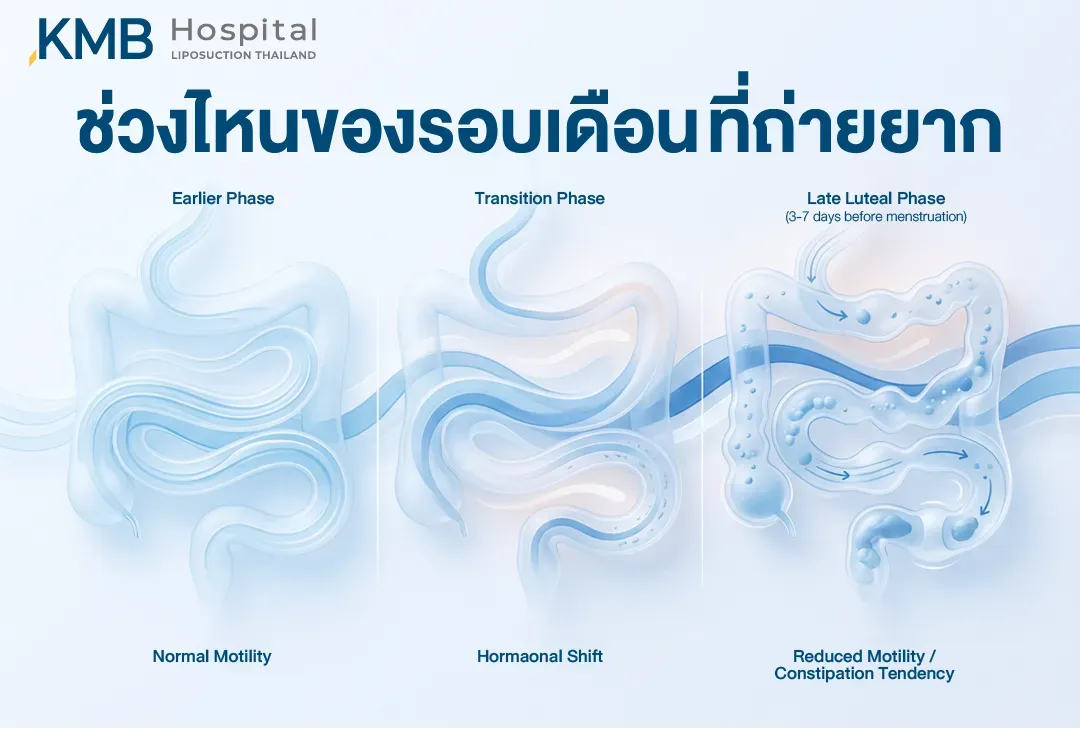
Symptoms are typically found during the late luteal phase, roughly 3–7 days before menstruation.
This phase is usually characterized by:
- High progesterone
- Declining estrogen
- A slight increase in basal body temperature
2️⃣ Progesterone and bowel motility
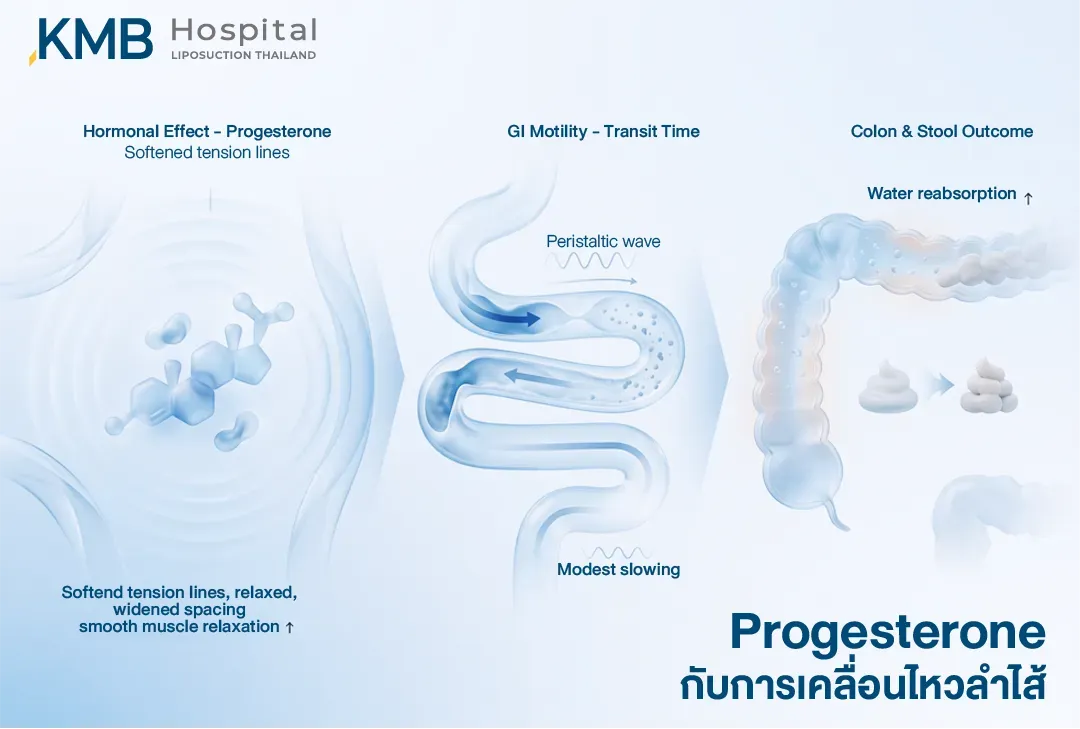
Progesterone affects the gastrointestinal system, for example:
- Increased smooth muscle relaxation
- Slightly slower GI transit time
These changes are usually modest and are not comparable to pathological constipation.
When transit time increases slightly, the large intestine may reabsorb more water, making the stool slightly harder.
Some people may notice that their Bristol stool form scale temporarily shifts from type 3 toward type 2.
3️⃣ Prostaglandin and the phase shift
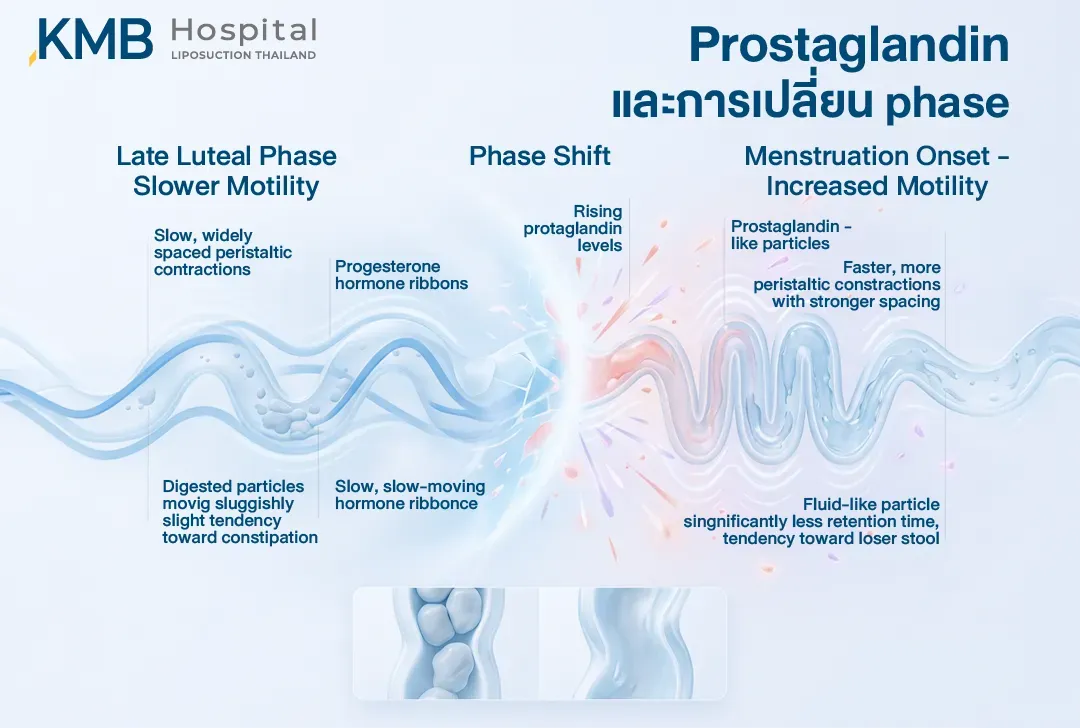
When menstruation begins, prostaglandin levels usually rise and can increase motility.
As a result, some people who had difficulty passing stool before their period may instead experience loose stools or diarrhea on the first day of menstruation.
This mechanism is supported by fairly clearer evidence than the slowing of transit during the luteal phase.
4️⃣ IBS Context
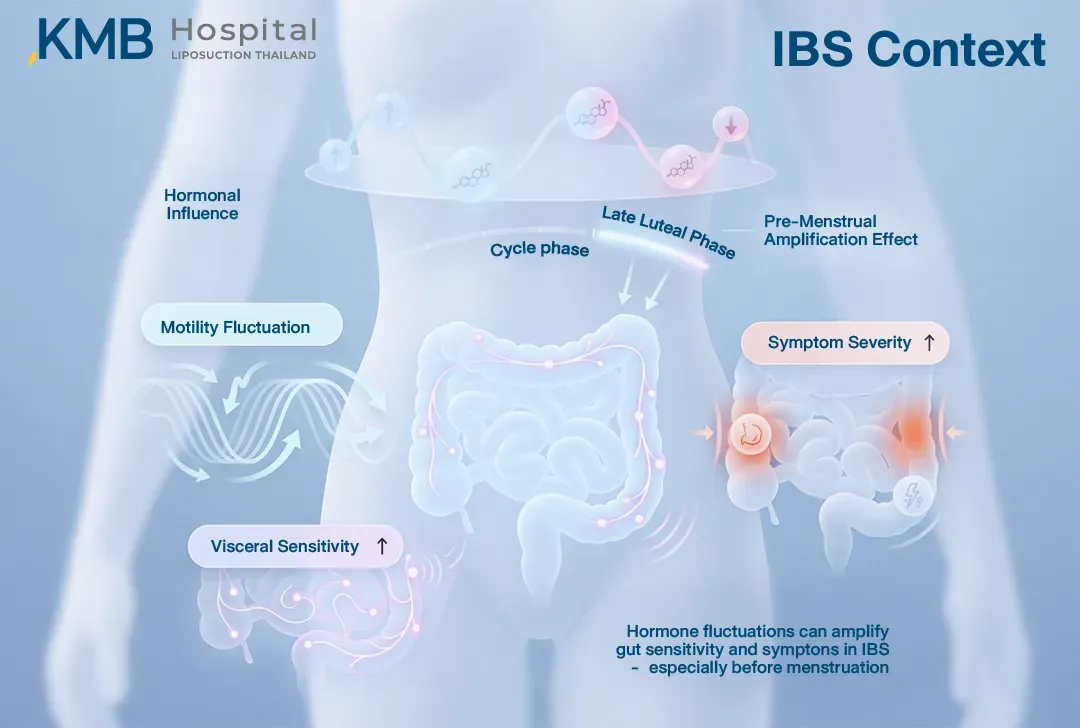
In people with Irritable Bowel Syndrome (IBS), hormonal fluctuations may cause:
- More pronounced motility fluctuation
- Increased visceral sensitivity
- Increased symptom severity
As a result, premenstrual symptoms may be more severe than in the general population.
5️⃣ Water Retention and Visceral Sensitivity
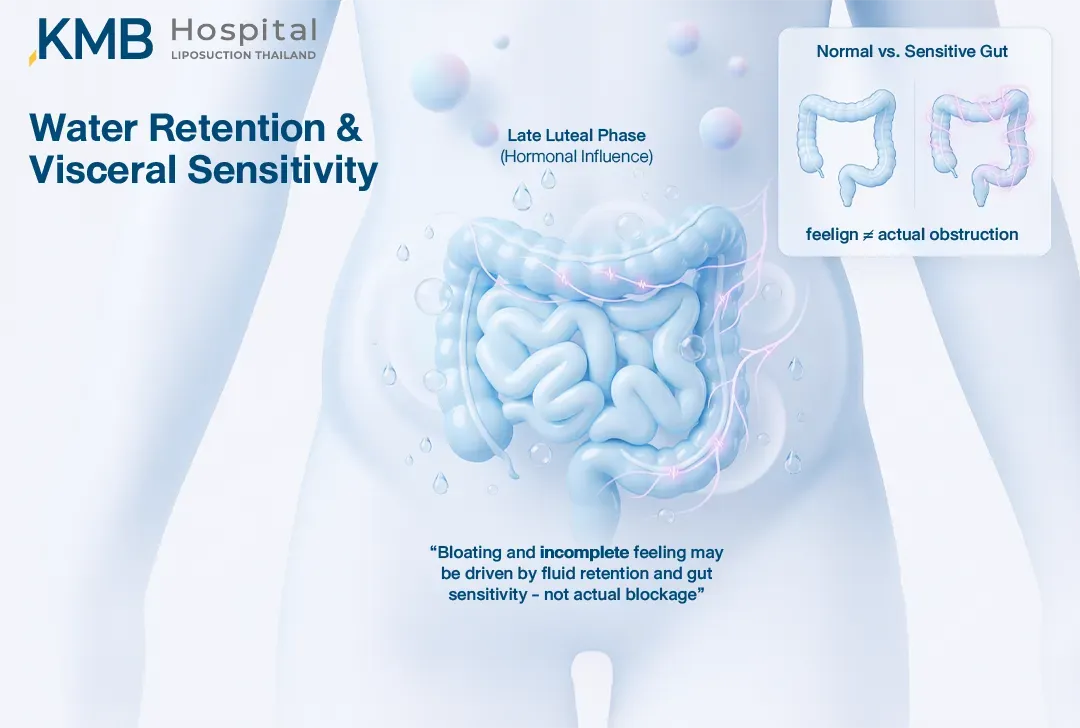
During the late luteal phase, there may be:
- Increased water retention
- Increased bloating
Sometimes the feeling of “incomplete evacuation” may arise from visceral sensitivity rather than an actual blockage.
6️⃣ Behaviors that matter as much or more
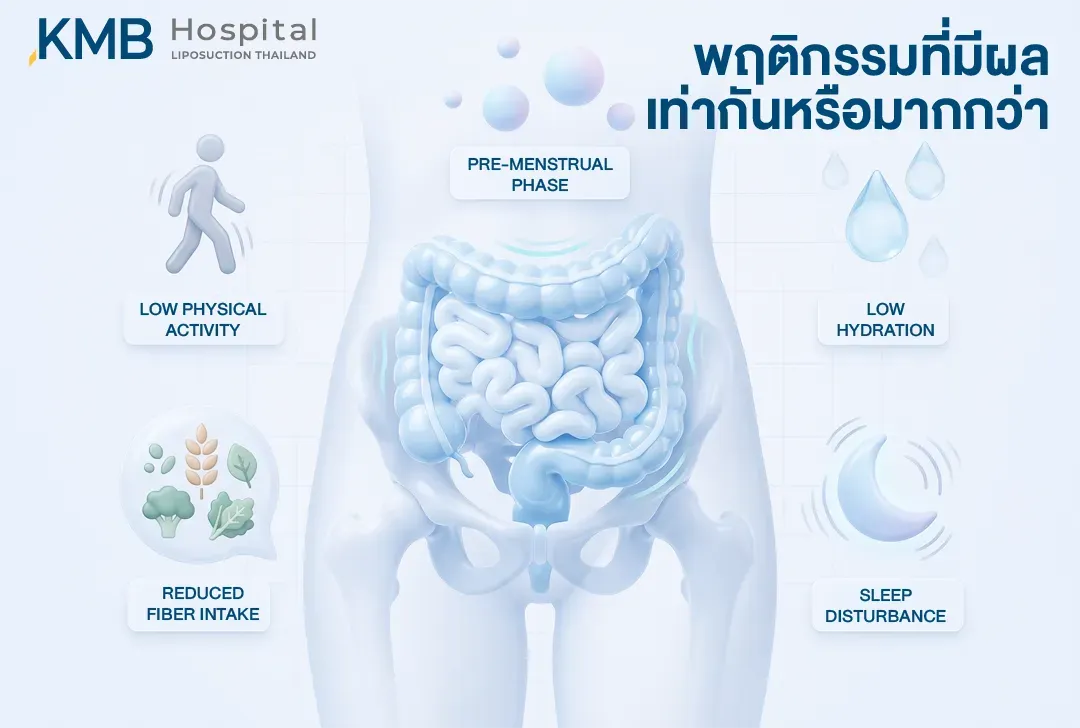
Before menstruation, many people may experience changes in behavior, such as:
- Reduced activity
- Reduced fiber intake
- Reduced hydration
- Increased sleep disturbance
In some people, these factors may affect bowel movement as much as or more than hormones.
7️⃣ Clinical Boundary
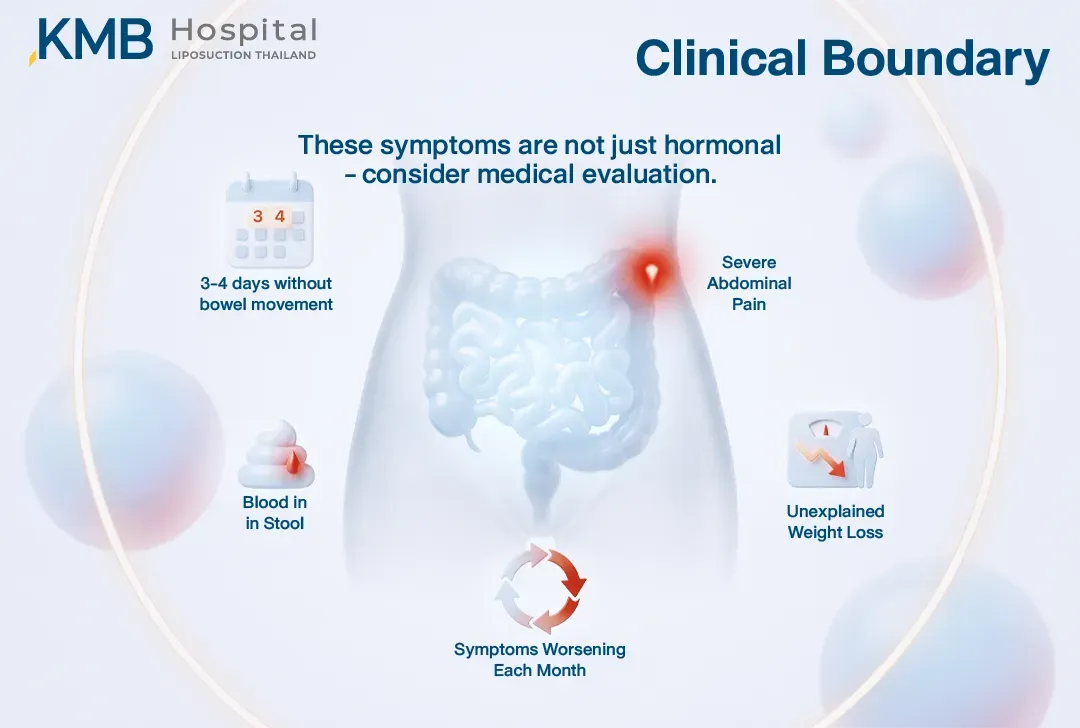
You should see a doctor if you have any of the following symptoms:
- Inability to pass stool for more than 3–4 consecutive days
- Severe abdominal pain
- Blood in the stool
- Weight loss
- Symptoms worsening every month
These symptoms should not be assumed to be merely the effect of hormones.
Key Takeaways
- Bowel movements can be harder before menstruation in some people
- Progesterone may slow motility slightly
- The changes are usually mild to moderate
- IBS may make symptoms more pronounced
- Behavior matters as much as hormones
- Severe symptoms warrant a doctor's visit
FAQ
Why is it harder to pass stool before menstruation?
In some people, the rise in progesterone during the luteal phase may slow bowel movement slightly, making the stool harder or slower to pass.
Does everyone have difficulty passing stool before their period?
Not necessarily. Symptoms vary greatly between individuals and do not occur in everyone every month.
Is premenstrual difficulty passing stool related to IBS?
In people with IBS, hormonal fluctuations may make changes in motility and bowel symptoms more pronounced than in the general population.
Recommended further reading
- Premenstrual bloating: Caused by Progesterone or Dysbiosis?
- How Estrogen and Progesterone affect the digestive system
- The menstrual cycle and sugar cravings
- True hunger vs. craving
References
- Brenner DM, Shah M, Chey WD. Hormonal effects on gastrointestinal motility in women. Clin Gastroenterol Hepatol. 2020.
- Heitkemper MM, Chang L. Do fluctuations in ovarian hormones affect gastrointestinal symptoms in women with IBS? Gastroenterology. 2020.
- Palsson OS et al. Rome IV criteria and functional gastrointestinal disorders. Gut. 2020.
- Bharucha AE et al. Mechanisms of normal and disordered colonic motility. Gastroenterology. 2021.
- Matsumoto T et al. Menstrual cycle–related changes in bowel habits and stool form. Neurogastroenterol Motil. 2021.
- Houghton LA, Lea R, Agrawal A. Gender, hormones, and gastrointestinal disorders. Nat Rev Gastroenterol Hepatol. 2020.
Content Information
Written by: Medical Content Team, KMB Hospital
Reviewed by: Clinical Governance Committee, KMB Hospital
Published: 27 March 2026
Last updated: 27 March 2026