
Is Menstrual-Cycle Acne Related to Gut Inflammation?

Menstrual-cycle acne and gut–inflammation
Answer-first:
Premenstrual acne is most often related to androgen fluctuation and increased sebum production during the late luteal phase, while gut–inflammation may play an indirect role through immune modulation but is not a direct primary cause.
Contents
1️⃣ Primary mechanism: Androgen and Sebum
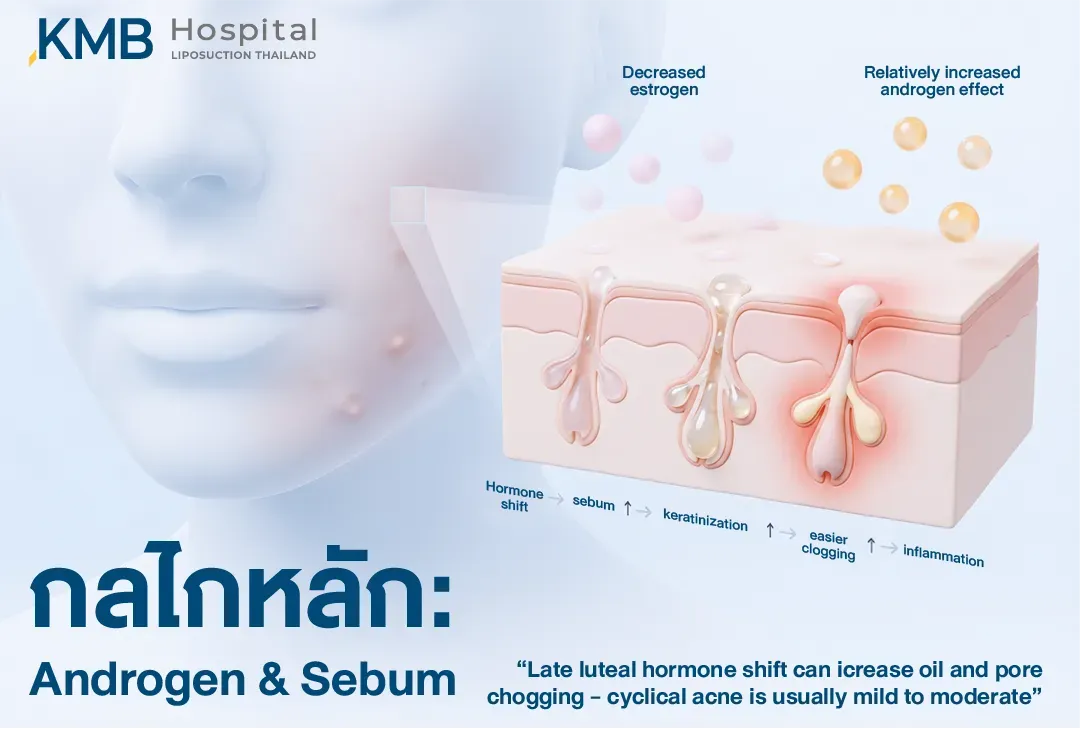
During the late luteal phase, estrogen levels fall and the relative androgen effect becomes more prominent.
- Sebum production increases
- Follicular keratinization increases
- Pores become more easily clogged
As a result, inflammatory acne can develop more readily in some individuals.
2️⃣ Skin Microbiome
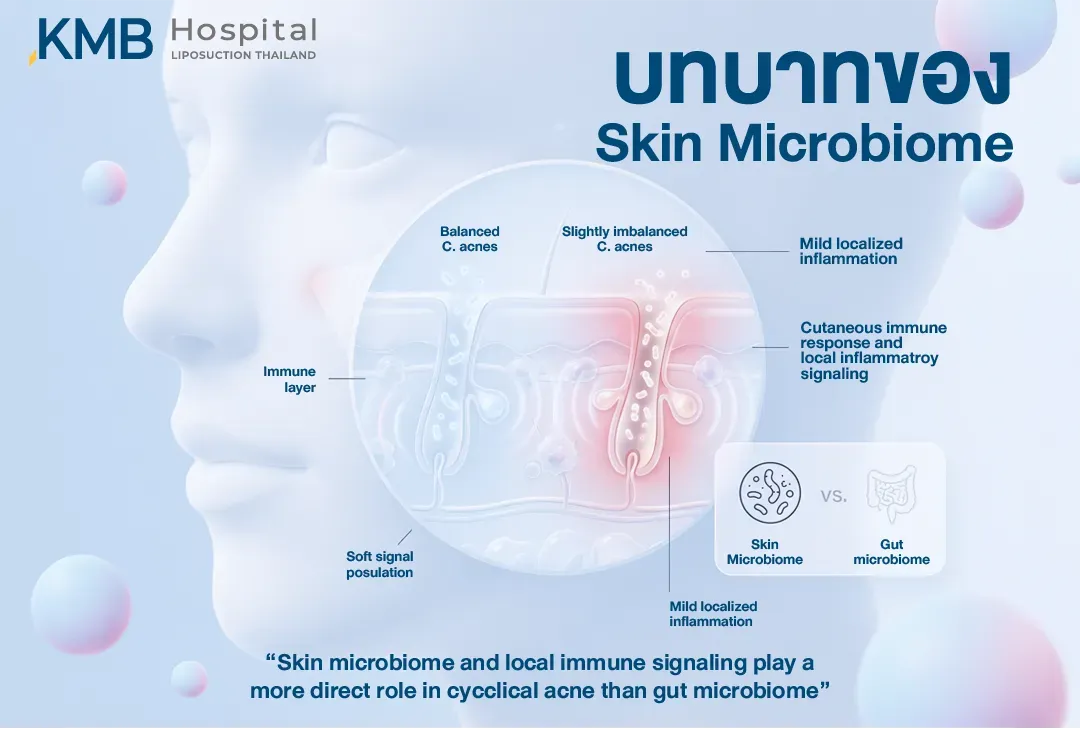
Acne is associated with
- Cutibacterium acnes balance
- local immune response
- skin inflammatory signaling
Changes in the skin microbiome play a more direct role in acne than the gut microbiome does.
3️⃣ Gut–Skin Axis
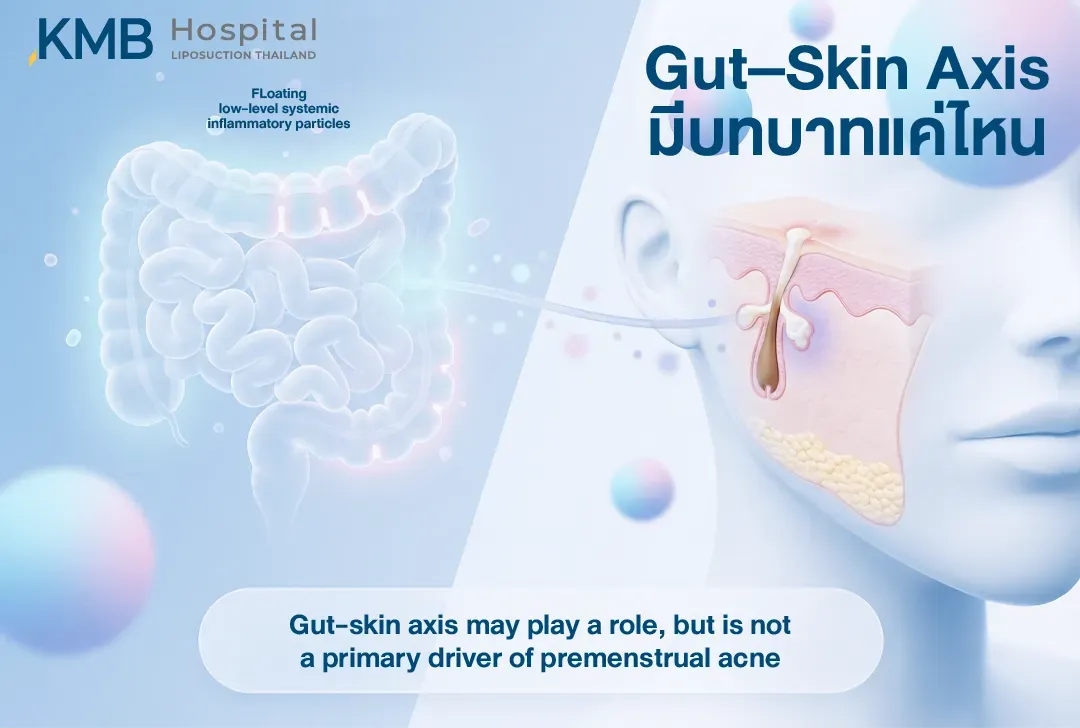
The gut–skin axis is a concept proposing that
- gut permeability changes
- systemic inflammatory tone increases
- immune modulation shifts
However, for premenstrual acne the causal evidence remains limited.
4️⃣ Diet and Glycemic Load
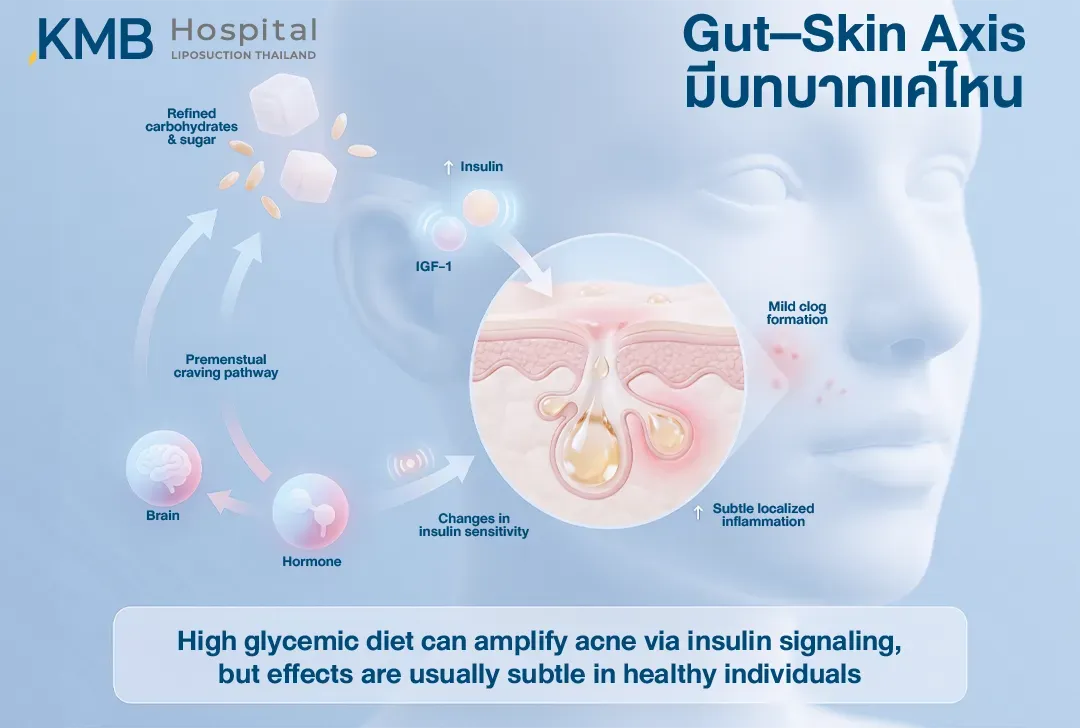
A high glycemic-load diet can lead to
- increased insulin
- increased IGF-1
- increased sebum production
Before menstruation, some people experience increased carbohydrate cravings, which may make acne more prominent in certain cases.
5️⃣ Stress and Inflammatory Modulation
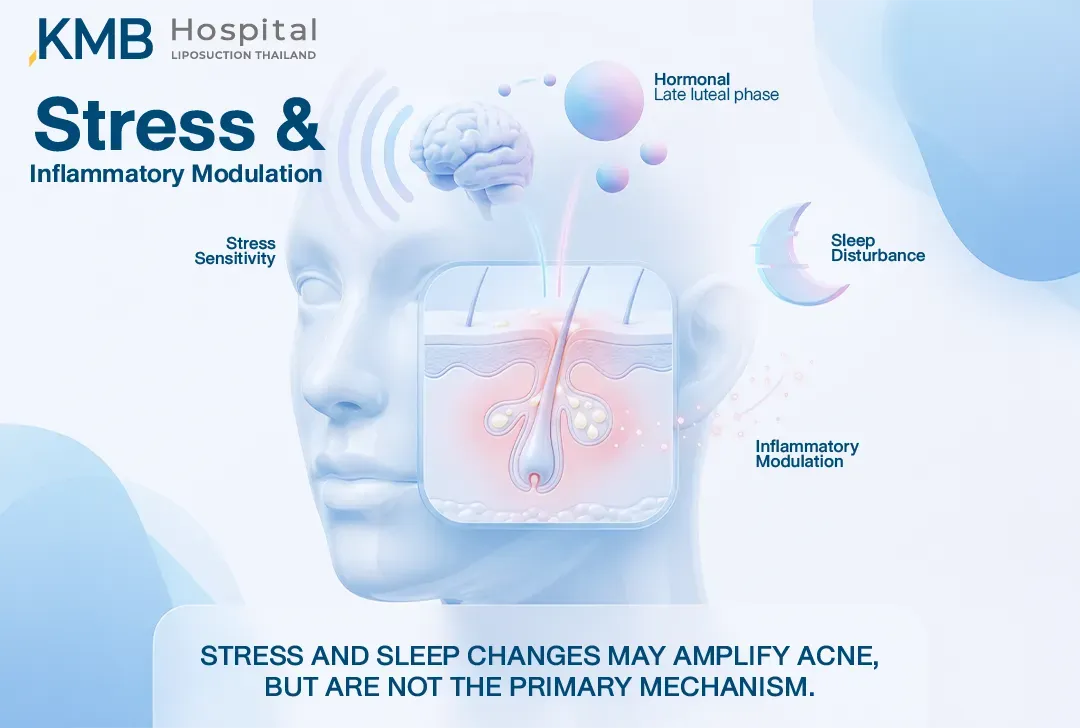
During the late luteal phase, some individuals may have
- increased stress sensitivity
- sleep disturbance
- inflammatory modulation
These factors may make acne more prominent in some people.
6️⃣ Individual Variation

Menstrual-cycle acne varies widely.
- Some people have no acne
- Some experience it every month
- Some only during periods of stress
This depends on androgen sensitivity and sebaceous gland responsiveness.
7️⃣ Clinical Boundary
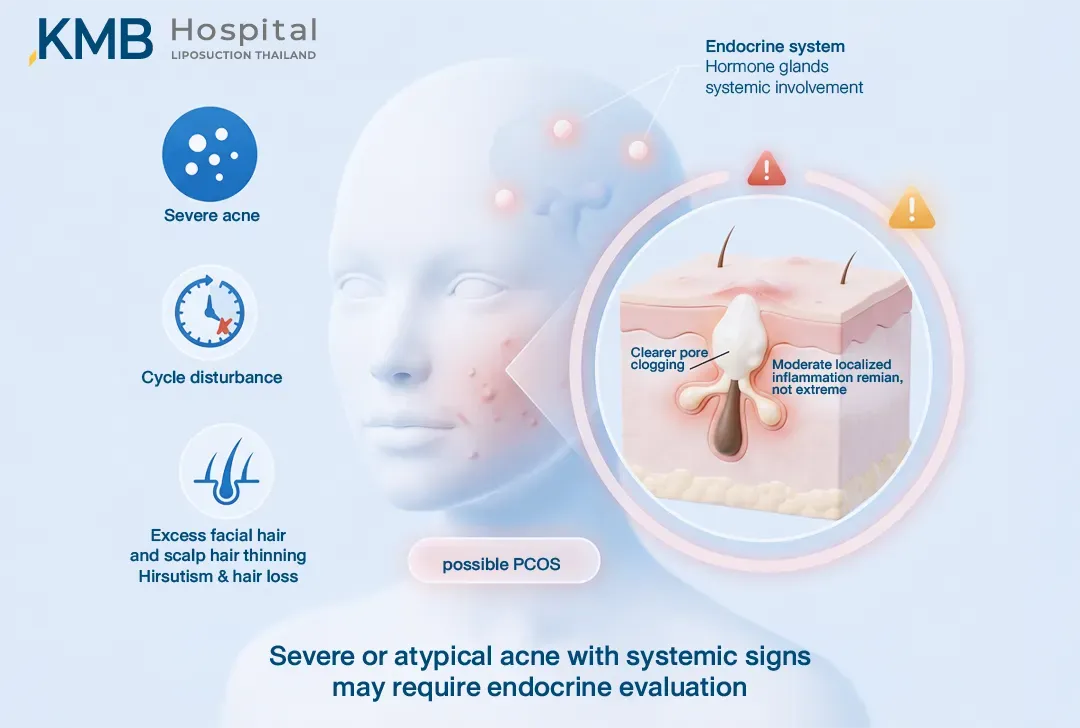
Further evaluation is warranted if there is
- very severe acne
- irregular menstruation
- excessive hair growth or hair loss
- suspected PCOS
Key Takeaways
- Premenstrual acne is primarily related to androgen effect
- Increased sebum production makes acne more likely to develop
- The skin microbiome plays a greater role than the gut microbiome
- Diet and stress may aggravate symptoms
- Gut dysbiosis is not the primary cause
FAQ
Why does acne appear before menstruation?
During the luteal phase, estrogen falls and the androgen effect becomes more prominent, increasing sebum production and making pores more easily clogged.
Is menstrual-cycle acne related to the gut?
The gut–skin axis may play an indirect role through inflammatory signaling, but there is no evidence that the gut is a primary cause of menstrual-cycle acne.
Does everyone get menstrual-cycle acne?
Not necessarily. Androgen sensitivity and sebum production differ from person to person.
Hospital Authority
Written by: Medical Content Team, KMB Hospital
Reviewed by: Clinical Governance Committee, KMB Hospital
Published: 27 March 2026
Last updated: 27 March 2026