
Do Mood Swings Involve the Gut–Brain Axis?
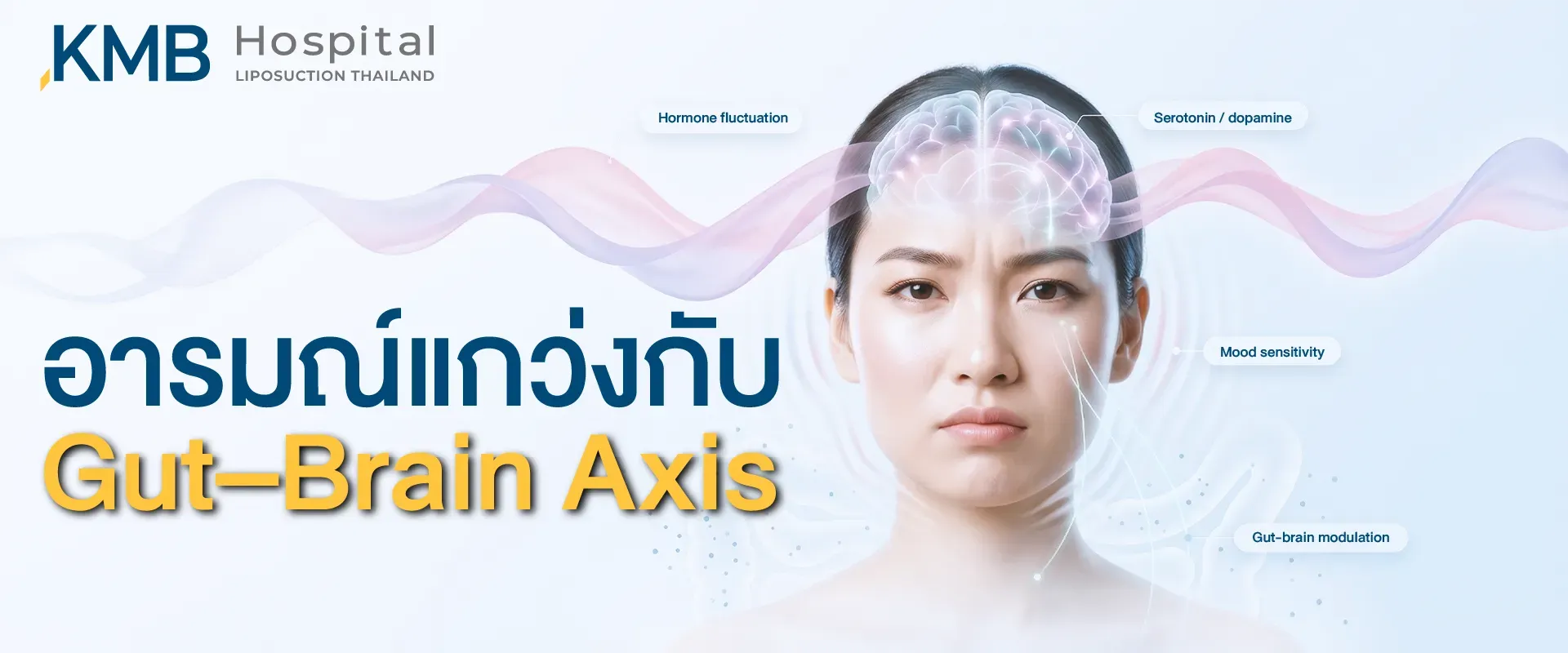
Mood Swings and the Gut–Brain Axis
Answer-first:
Mood swings during the menstrual cycle are mainly caused by changes in estrogen and progesterone, which affect serotonin, dopamine, and the nervous system in the brain. The gut–brain axis likely acts as a modulator of the emotional system's sensitivity rather than as a root cause.
Table of Contents
1️⃣ Estrogen and the Emotional System
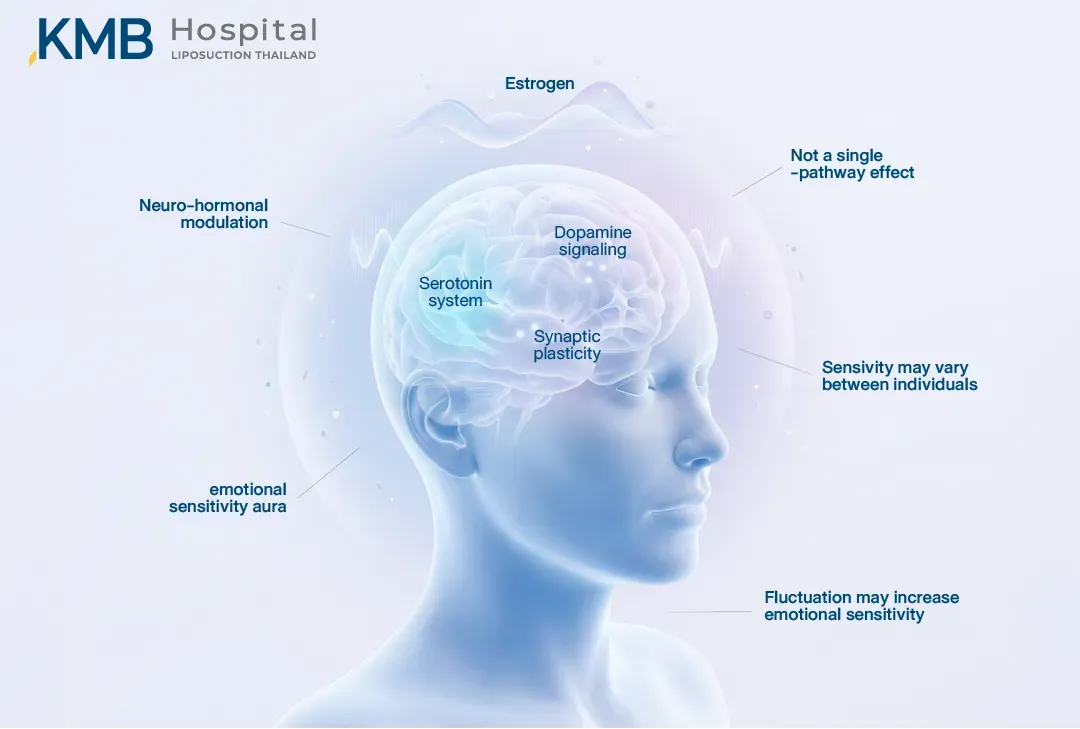
Estrogen plays a role in serotonin synthesis, dopamine signaling, and synaptic plasticity. When estrogen fluctuation is high, the emotional system may become more sensitive to stimulation.
2️⃣ Progesterone and Allopregnanolone
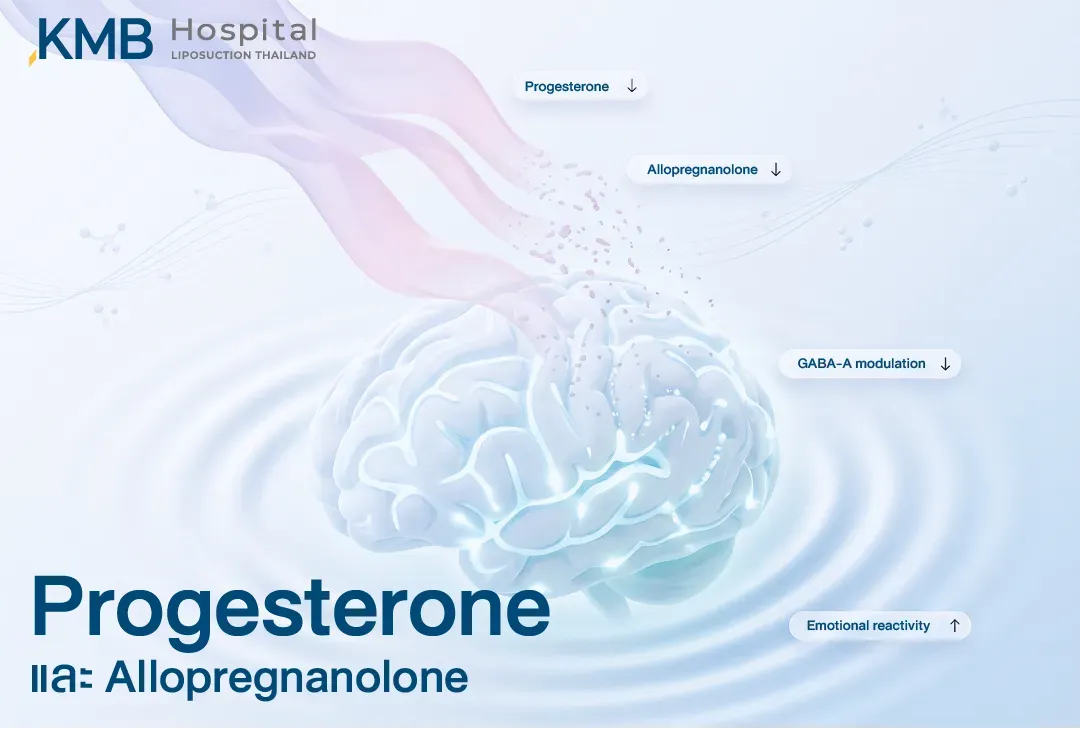
Allopregnanolone, a metabolite of progesterone, affects the GABA-A receptor and is involved in emotional regulation. When progesterone levels fall rapidly, some individuals may experience anxiety or irritability.
3️⃣ Gut–Brain Axis
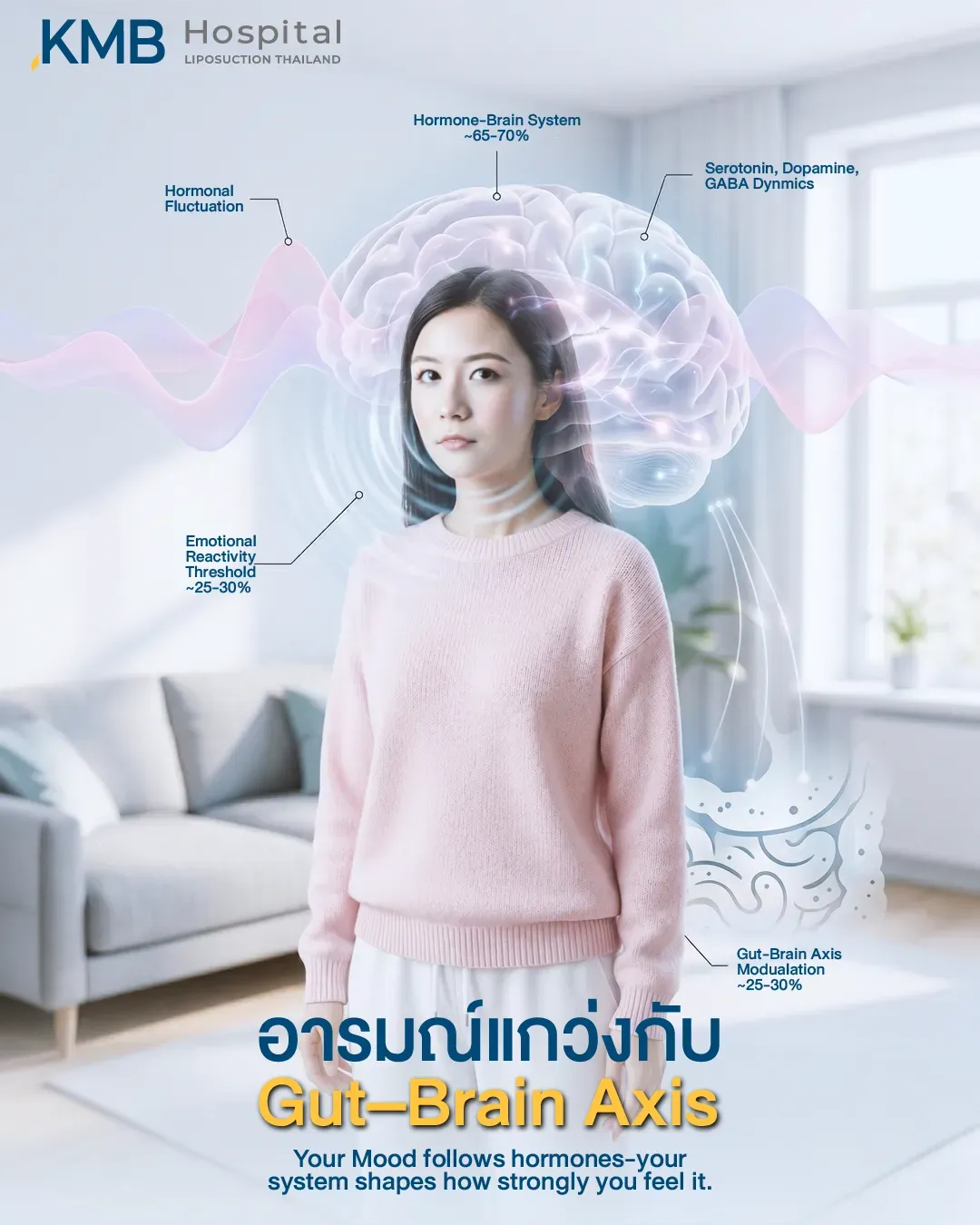
Gut–brain communication occurs via the vagus nerve, immune signaling, microbial metabolites, and tryptophan metabolism. However, serotonin produced in the gut cannot directly cross the blood brain barrier.
4️⃣ Stress Interaction
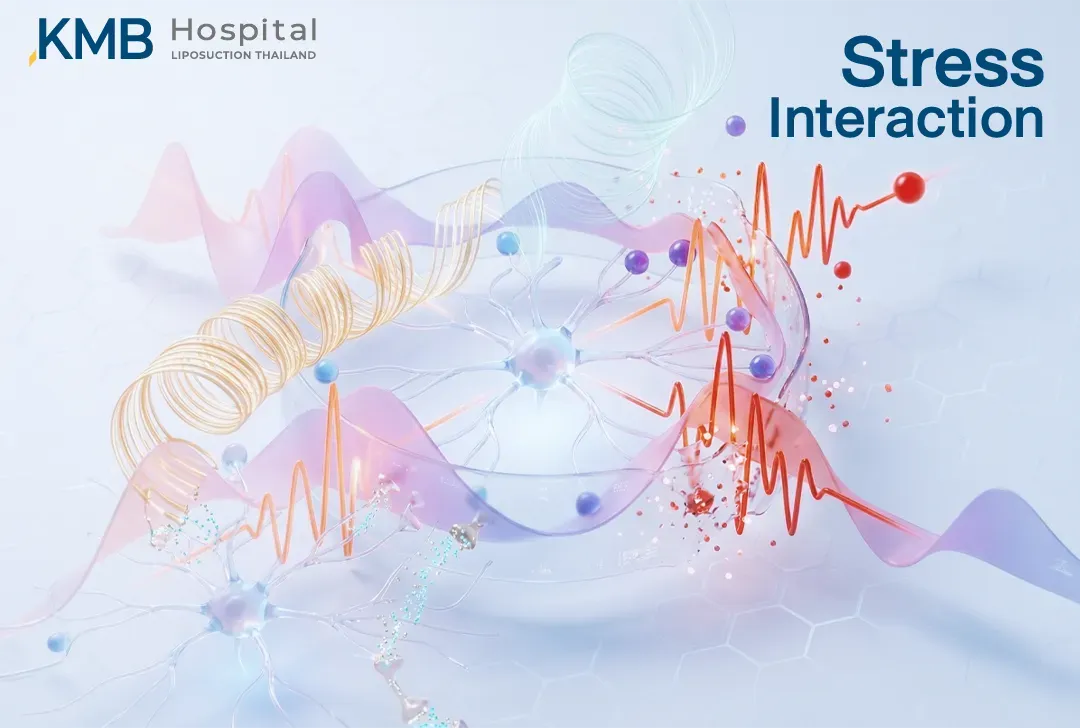
When hormonal fluctuation combines with a higher stress load, HPA axis sensitivity may increase, lowering the emotional threshold and making mood fluctuation more likely to occur.
5️⃣ PMS vs PMDD
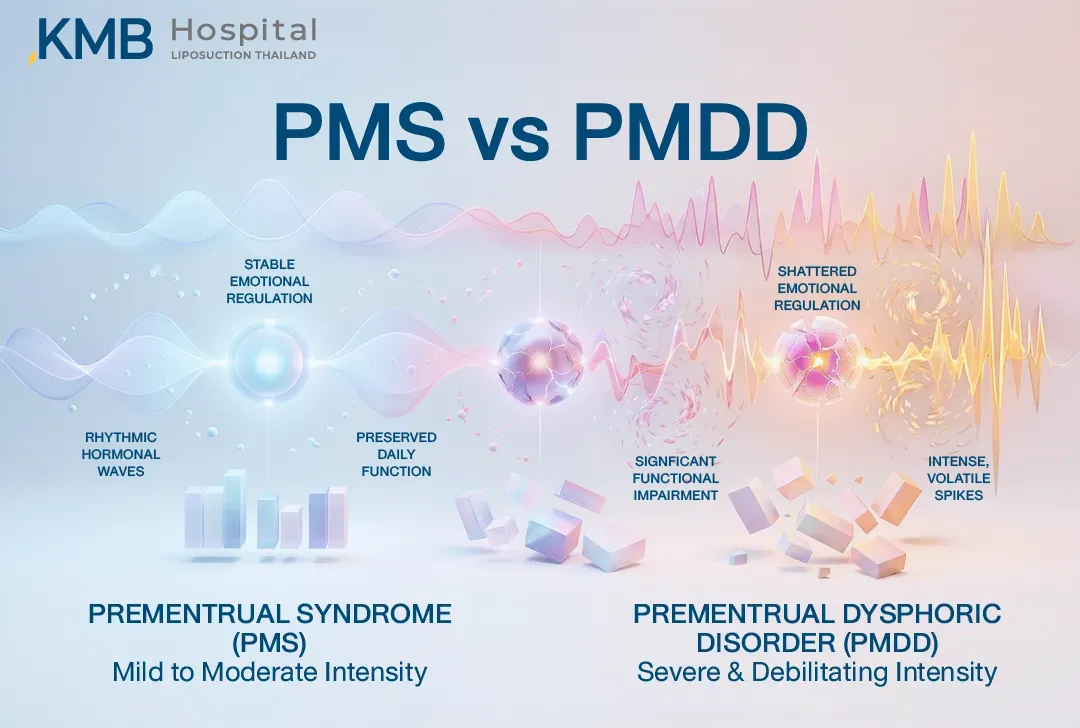
- PMS typically involves mild-to-moderate mood symptoms
- PMDD involves severe symptoms that disrupt daily life
If mood disturbance is severe or interferes with work, medical evaluation is recommended.
6️⃣ Magnitude Guard
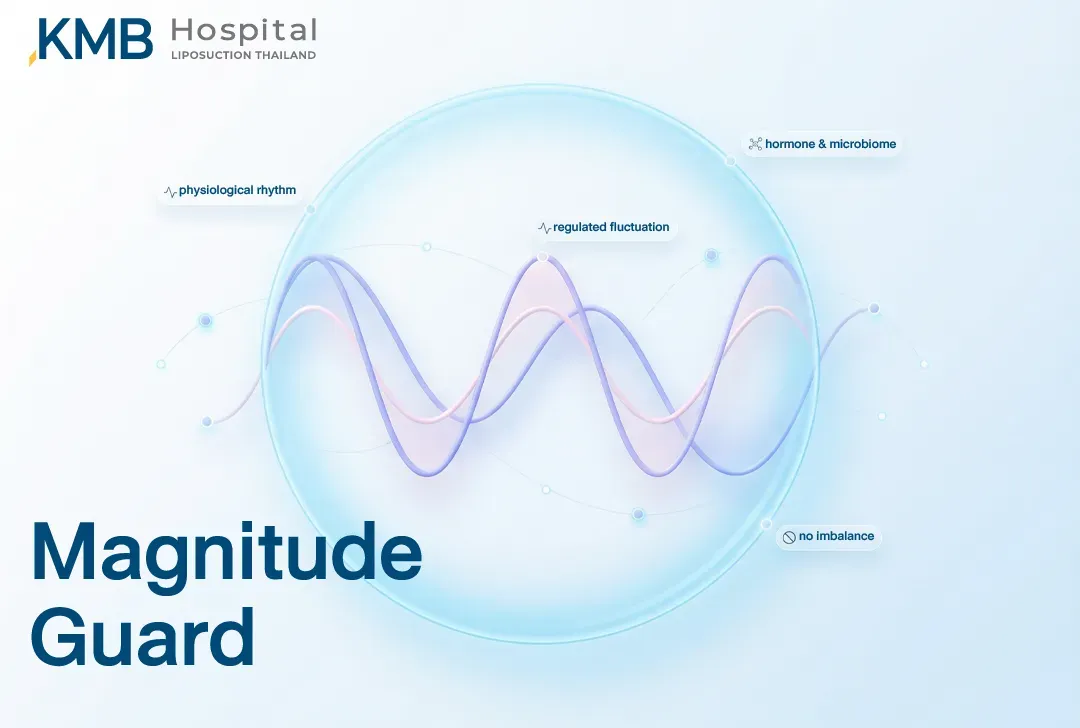
Mood fluctuation during the menstrual cycle in healthy women is a physiological phenomenon and does not mean that hormones are abnormal or that the microbiome is out of balance.
Key Takeaways
- menstrual-cycle mood swings have a neuroendocrine basis
- estrogen and progesterone are the primary mechanisms
- the gut–brain axis acts as a modulator
- serotonin in the gut does not directly control mood
- PMDD requires clinical evaluation
FAQ
Why do moods swing in the days before menstruation?
Changes in estrogen and progesterone affect serotonin, dopamine, and the nervous system that regulates emotions.
Does the gut–brain axis really affect mood?
The gut–brain axis may play a role in immune signaling and the stress response, but it is not the primary cause of mood swings during the menstrual cycle.
Does serotonin from the gut control mood?
Serotonin from the gut cannot directly cross the blood brain barrier. Emotional regulation arises from serotonin in the central nervous system.
Hospital Authority
Written by: Medical Content Team, KMB Hospital
Reviewed by: Clinical Governance Committee, KMB Hospital
Published: 28 March 2026
Last updated: 28 March 2026