
Longevity Pathways and Metabolism

Longevity Pathways and Metabolism

Longevity pathways are cellular mechanisms that regulate nutrient sensing, energy balance, and stress adaptation, all of which are directly linked to metabolic regulation
The main pathways that have been studied include:
- mTOR
- AMPK
- Sirtuins
- Insulin/IGF-1 signaling
- Autophagy
1⃣ mTOR — Growth Signaling
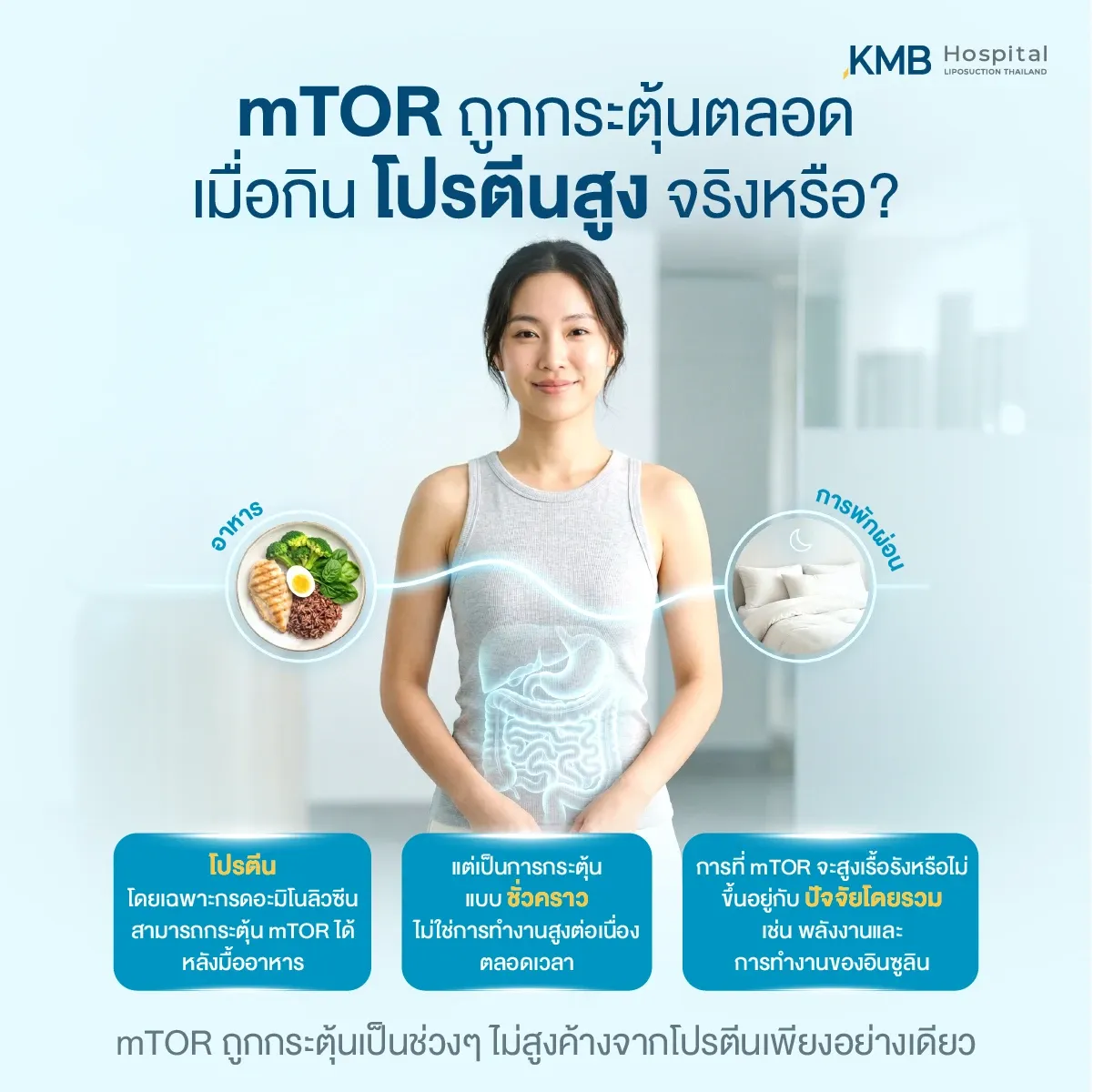
mTOR responds to:
- Amino acids (especially leucine)
- Insulin/IGF-1
- Energy surplus
Chronic mTOR activation is associated with metabolic dysfunction in certain contexts
In animal models, reduced mTOR signaling is linked to lifespan extension
but in humans the evidence remains indirect [2,3]
2⃣ AMPK — Energy Sensor
AMPK is activated when cellular energy is low (↑AMP/ATP ratio)
AMPK promotes:
- Fat oxidation
- Glucose uptake
- Mitochondrial biogenesis
Exercise and fasting are well-studied activators of AMPK in humans
3⃣ Sirtuins — Metabolic Adaptation
Sirtuins (such as SIRT1) play a role in:
- Stress resistance
- Mitochondrial regulation
- Circadian integration
Caloric restriction models show sirtuin activation in laboratory animals
but translational evidence in humans is still limited
4⃣ Insulin/IGF-1 Axis
Insulin/IGF-1 signaling is a central axis of nutrient sensing
Long-term hyperactivation
is associated with metabolic syndrome and aging phenotypes
Conversely, excessive suppression
may affect lean mass and functional capacity
Balance is therefore more important than extreme reduction
5⃣ Autophagy — Cellular Recycling
Autophagy is regulated through mTOR inhibition and AMPK activation
In animal models
autophagy is linked to improved lifespan
In humans there is biomarker-level evidence, but no RCT has yet directly proven a lifespan effect
6⃣ Longevity ≠ Chronic Energy Restriction
Although caloric restriction activates longevity pathways in laboratory animals
in humans, the factors with clearer evidence are:
- Insulin sensitivity improvement
- Physical activity
- Muscle preservation
- Sleep regularity
Longevity pathways should therefore be interpreted in the context of metabolic resilience rather than as an imitation of the animal restriction model
Frequently Asked Questions (FAQ)
1⃣ Do longevity pathways actually make you “live longer”?
Longevity pathways are cellular mechanisms involved in nutrient sensing and stress adaptation
Research in laboratory animals shows a link to lifespan
but in humans there is still no clinical evidence directly confirming an “extension of lifespan”
What has clearer evidence is the effect on metabolic health
2⃣ Do you have to fast in order to activate AMPK and autophagy?
Fasting can activate AMPK and reduce mTOR in certain contexts
But exercise and appropriate energy balance
also affect these pathways
Prolonged fasting is not always necessary
3⃣ Does high protein keep mTOR elevated all the time?
Protein, especially leucine
can temporarily activate mTOR
But meal-related activation is not the same as chronic hyperactivation
The overall context of energy and insulin signaling matters more
4⃣ Is keeping insulin as low as possible good for longevity?
Insulin that is too low may affect lean mass and functional health
Longevity research indicates that balance of insulin signaling
is more important than suppressing it to the minimum
5⃣ Does autophagy only occur during fasting?
Autophagy is activated during nutrient restriction
But there are also other factors, such as exercise and circadian regulation
that are involved in this process
In humans, the evidence is still at the biomarker level
6⃣ Do you need to take supplements to activate sirtuins?
There is still no clinical evidence confirming that sirtuin-activating supplements
help extend lifespan in humans
Lifestyle intervention has more supporting evidence
7⃣ In summary, what should you focus on if you want to support longevity pathways?
The factors with clearer evidence in humans include:
- Good insulin sensitivity
- Regular physical activity
- Muscle preservation
- Sleep consistency
- Nutritional quality
rather than trying to “hack” a single pathway
Key Takeaways
- Longevity pathways are nutrient sensing networks
- mTOR, AMPK, and Sirtuins regulate metabolic signaling
- Autophagy is biologically important, but human evidence is still limited
- Insulin balance is important for the aging phenotype
- Lifestyle intervention has clearer human evidence than “hacking a pathway”
Hospital Authority
Written by: Medical Content Team, KMB Hospital
Reviewed by: Clinical Governance Committee, KMB Hospital
Published: 31 March 2026
Last updated: 31 March 2026
References
- López-Otín C, Blasco MA, Partridge L, Serrano M, Kroemer G. Hallmarks of aging: an expanding universe. Cell. 2023;186(2):243-278.
- Johnson SC, Rabinovitch PS, Kaeberlein M. mTOR and aging. Cell. 2020;181(1):1-15.
- Madeo F, et al. Caloric restriction mimetics and autophagy. Nat Rev Drug Discov. 2021;20:745-760.
- Hardie DG. AMPK: a key regulator of energy balance. Nat Rev Mol Cell Biol. 2021;22:251-266.
- Imai S, Guarente L. Sirtuins and metabolic regulation. Nat Rev Mol Cell Biol. 2021;22:533-547.