
Are Fermented Foods Good for You? Who Should Eat Them, Who Should Be Careful
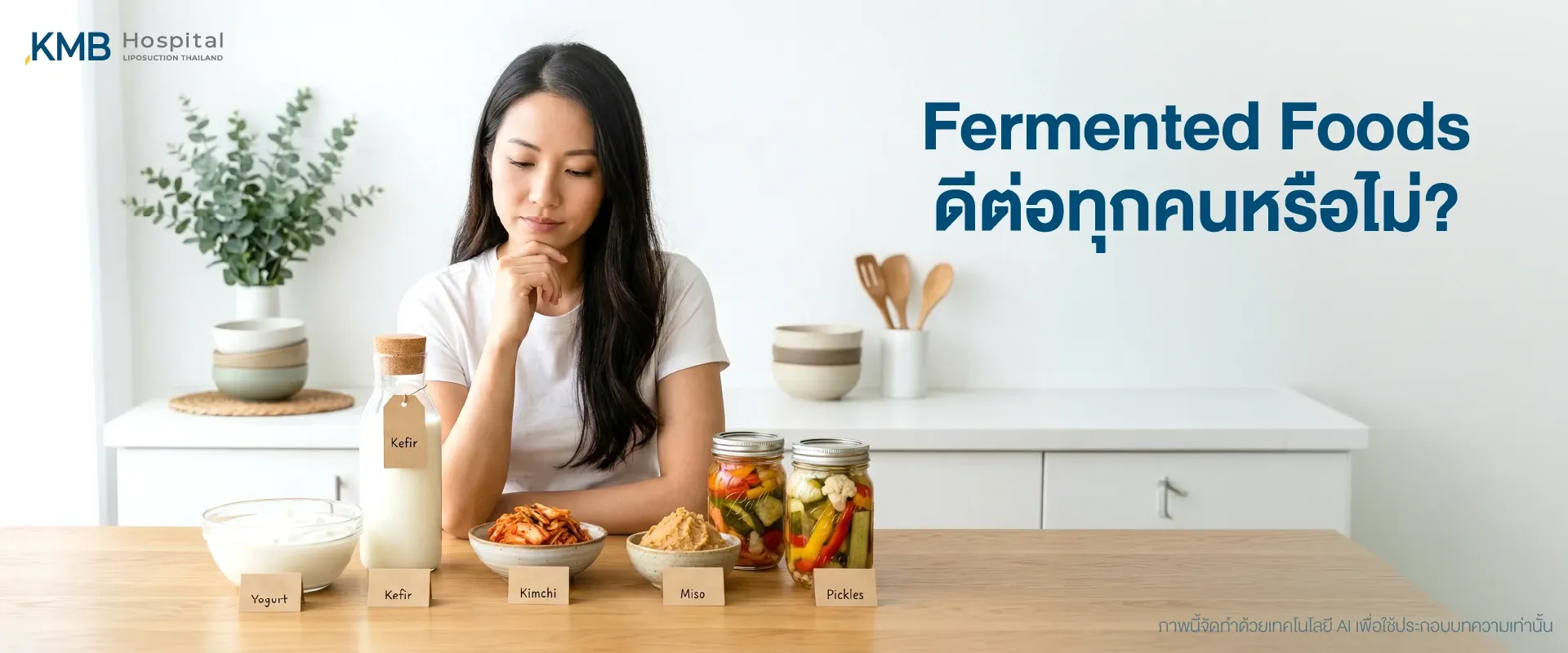
Are Fermented Foods Good for You? Are They Right for Everyone?
Are fermented foods good for you is a common question. Fermented foods such as yogurt, kefir, kimchi, or miso are often seen as beneficial for gut health, but in reality they are not suitable for everyone, because the outcome depends on your existing microbiome, gut sensitivity, and each person's individual bodily context.
Are Fermented Foods Good for You, and How Do They Affect Gut Health
Fermented foods are often linked to gut health because they may contain microorganisms, partially pre-digested nutrients, and compounds from the fermentation process that affect the intestinal system. However, the answer to whether fermented foods are good for you is not the same for everyone.
In some people, fermented foods may help support microbial diversity and inflammatory balance, but in others—especially those with a sensitive gut—they may more easily cause bloating or discomfort.
1) What Is Inside Fermented Foods
Fermented foods may contain several types of components, such as:
- Live microorganisms in some products
- Organic acids
- Bioactive peptides
- Pre-digested nutrients
Some human studies have found that consuming certain fermented foods may be associated with increased microbiome diversity and reduced inflammatory markers.
2) Why Do Some People Feel Bloated After Eating Them
In some people with the following conditions, fermented foods may more readily trigger symptoms:
- Irritable bowel syndrome (IBS)
- Visceral hypersensitivity
- Dysbiosis
- Histamine sensitivity
One reason is that fermented foods may contain fermentation byproducts and biogenic amines such as histamine, which in people with a sensitive gut can cause gas, bloating, or abdominal fullness more than usual.
3) Fermented Foods Are Not Always the Same as Probiotics
Not every fermented food contains living microorganisms, because pasteurization or certain production methods may substantially reduce the number of live bacteria.
By definition, probiotics must have clearly specified strains and quantities. Therefore, fermented foods and probiotics are not always the same thing.
4) Do Fermented Foods Really Help Microbiome Diversity
Some human studies have found that fermented food intake may help increase microbial diversity, and good diversity is often associated with metabolic resilience and inflammatory balance.
However, the response to fermented foods varies from person to person, because each individual's existing microbiome, eating habits, and baseline gut condition are different.
Are Fermented Foods Good for You: Who Should Be Careful
Although fermented foods can be beneficial in certain contexts, the following groups should start cautiously:
- People with an IBS flare-up
- People with suspected SIBO
- People with histamine intolerance
- People with severe bloating
For these groups, starting with small amounts and observing the body's tolerance is often a safer approach than adding several types at the same time.
5) If You Want to Start, How Should You Begin
A more balanced way to begin includes:
- Start with small amounts
- Do not eat several types at the same time at first
- Observe your symptoms for 1–2 weeks
- Do not rush to increase if bloating is still evident
The gut needs time to adjust, so a gradual approach often gives better results than starting aggressively right away.
Systems Interpretation
Fermented foods are a microbiome modulator, but not a universal solution
The factors that matter more for overall gut health include fiber diversity, sleep rhythm, stress load, and meal timing consistency, because the microbiome responds to the overall pattern of daily life, not to a single nutrient alone.
Frequently Asked Questions
1) Is eating fermented foods every day good for the gut?
It may be beneficial for some people, especially in terms of microbial diversity, but it is not necessary for everyone and is not the only condition for gut health.
2) Why do some people feel bloated after eating kimchi or kefir?
Because fermented foods may contain microorganisms, organic acids, and fermentation compounds, which in people with a sensitive gut or IBS can more easily trigger gas and bloating.
3) Are fermented foods the same as probiotics?
Not always the same, because some fermented foods do not contain living microorganisms, whereas probiotics must have clearly specified strains and quantities.
4) If you have SIBO, should you avoid them?
During a flare-up, some people may find fermented foods hard to tolerate, so they should start with small amounts and assess symptoms on an individual basis.
5) What does histamine intolerance have to do with fermented foods?
Many fermented foods contain biogenic amines such as histamine, and in sensitive individuals they may cause symptoms such as itching, facial flushing, palpitations, or abdominal fullness.
6) If you never eat fermented foods, will your gut be unhealthy?
Not necessarily, because microbiome diversity can be supported by a variety of fiber, fruits and vegetables, good sleep, and reduced stress.
Key Takeaways
- Fermented foods may help increase microbial diversity
- They are not suitable for everyone
- Histamine and fermentation byproducts may trigger symptoms in some people
- The outcome depends on the type of product and the context of the gut
- Gut health depends on the overall pattern more than on relying on fermented foods alone
Hospital Authority
Written by: Medical Content Team, KMB Hospital
Reviewed by: Clinical Governance Committee, KMB Hospital
Published: 2 April 2026
Last updated: 2 April 2026
References
- Wastyk HC, et al. Gut-microbiota-targeted diets modulate human immune status. Cell. 2021;184(16):4137–4153.
- Ford AC, et al. Efficacy of dietary interventions in IBS: systematic review and meta-analysis. Am J Gastroenterol. 2020;115(8):1251-1264.
- Reese I, et al. Histamine intolerance: a review. Allergo J Int. 2021;30(3):67-73.
- Marco ML, et al. Health benefits of fermented foods: microbiological and nutritional perspective. Nat Rev Gastroenterol Hepatol. 2021;18(3):196-210.
- Sonnenburg JL, Sonnenburg ED. The role of fermented foods in microbiome ecology. Cell. 2020;182(4):787-792.