
Are Probiotics Necessary? Do They Really Help, or Are They Just a Trend?
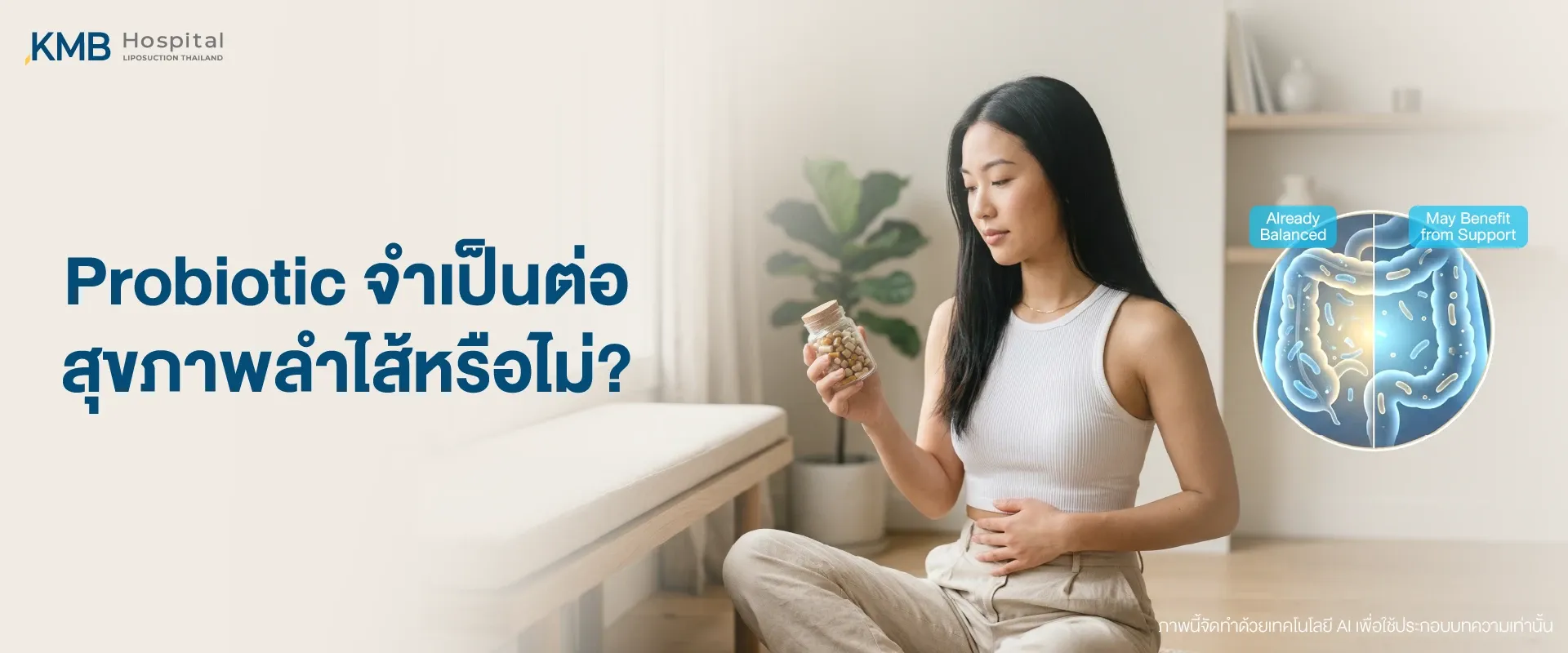
Are Probiotics Necessary? Do They Really Help, or Are They Just a Trend?
Are probiotics necessary? This is a common question in an era when microbial supplements are growing in popularity. In reality, probiotics are not necessary for everyone, and their results depend on a person's existing gut condition, microbiome, and individual physiological context.
Are probiotics necessary, and what role do they play in gut health?
Are probiotics necessary? There is no single answer for everyone, because each person's gut microbiome is different.
In some contexts, probiotics may help support the balance of gut microbiota, but in some cases, relying on probiotics alone may not be the main factor behind good gut health.
1) What are probiotics?
Probiotics are living microorganisms that, when consumed in appropriate amounts, may provide health benefits, particularly for the digestive system.
Common strains include Lactobacillus and Bifidobacterium, each of which plays a different role and produces different results.
2) Are probiotics necessary for everyone?
In general, probiotics are not something everyone needs, especially for people whose gut microbiome is already balanced.
Caring for gut health often depends on multiple factors, such as a diet with diverse fiber, sleep, stress management, and lifestyle patterns, rather than relying on probiotics alone.
3) Who may benefit from probiotics
- People who have recently used antibiotics
- People with certain forms of IBS
- People with dysbiosis
- People with a temporarily imbalanced gut
However, responses to probiotics vary from person to person, and the strain should be chosen to match the intended goal.
4) Who may not need to take them
- People without gut symptoms
- People who already have good diet diversity
- People with a balanced gut microbiome
For this group, basic care such as eating a wide variety of vegetables may have a greater effect on the microbiome than a probiotic supplement.
5) Probiotics from food vs. supplements
Fermented foods such as yogurt, kefir, or kimchi may contain certain microorganisms, but their strains and quantities are not controlled the way they are in supplements.
Probiotic supplements, on the other hand, usually specify the strains clearly, but that does not mean they are always suitable for everyone.
6) If you are going to take them, how should you do it?
- Choose a strain that matches your goal
- Start with a small amount
- Observe symptoms over 1–2 weeks
- You do not need to take them continuously for life
Systems Interpretation
Probiotics are just one tool, not the entire answer to gut health.
More important factors include fiber diversity, sleep quality, circadian rhythm, and stress regulation, which affect the microbiome more than relying on a supplement alone.
Frequently Asked Questions
1) Are probiotics necessary for the general population?
They are not necessary for everyone, especially for people without gut problems.
2) Is it good to take probiotics every day?
You may not need to take them continuously if there is no clear indication.
3) Can probiotics help reduce bloating?
They may help in some people, but in others they may make symptoms worse.
4) How should you choose a probiotic?
You should choose based on the strain and purpose, not on the CFU count alone.
5) Can I eat fermented foods instead?
Fermented foods can help in some contexts, but they cannot fully replace probiotic supplements.
Key Takeaways
- Probiotics are not necessary for everyone
- They may be beneficial in certain contexts, such as after antibiotic use
- Results depend on the strain and the individual
- Gut health depends on lifestyle more than on relying on supplements
Hospital Authority
Written by: Medical Content Team, KMB Hospital
Reviewed by: Clinical Governance Committee, KMB Hospital
Published: 2 April 2026
Last updated: 2 April 2026
References
- Hill C, et al. Expert consensus on probiotics. Nat Rev Gastroenterol Hepatol. 2014.
- Ford AC, et al. Probiotics in IBS. Am J Gastroenterol. 2018.
- McFarland LV. Probiotics for antibiotic-associated diarrhea. JAMA. 2015.
- Sanders ME, et al. Probiotics and gut microbiome. Gut Microbes. 2019.