
How Does Alcohol Affect the Gut Microbiome and Hormones?
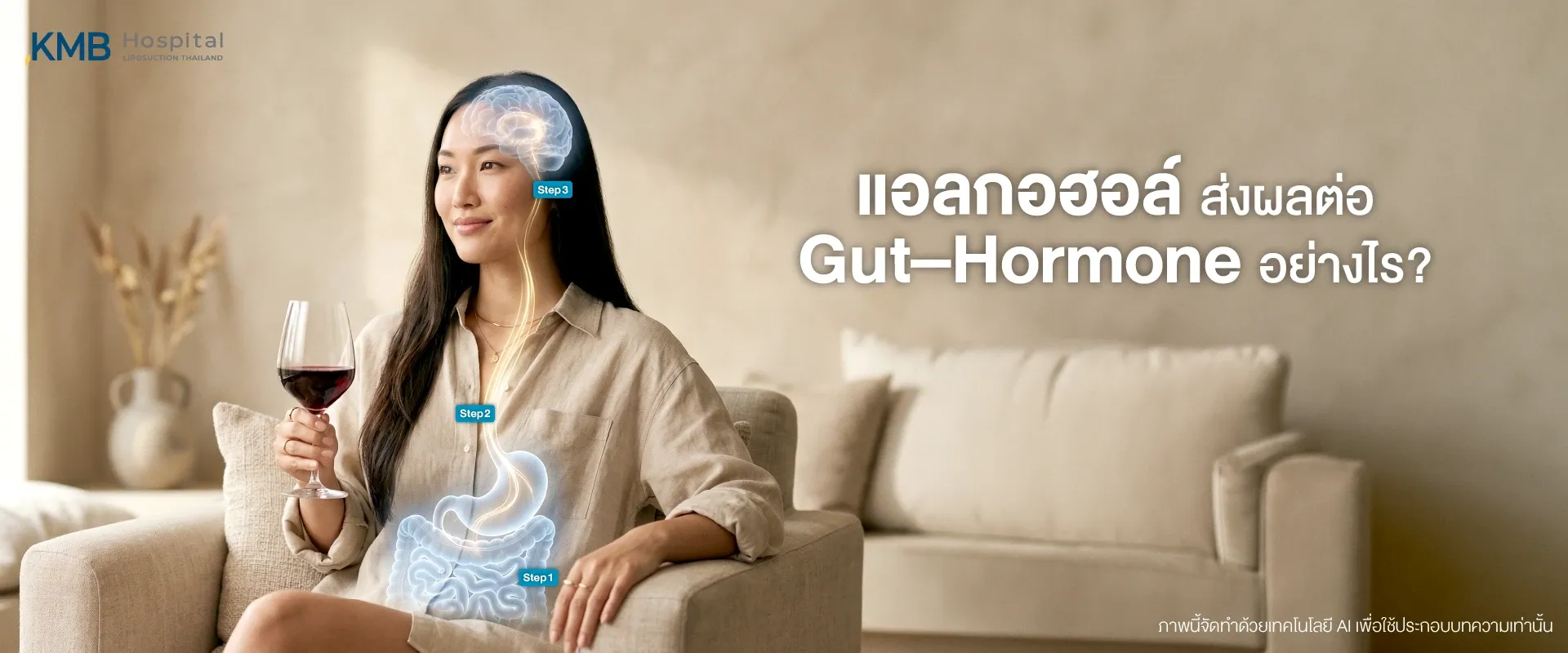
How Alcohol Affects the Gut Microbiome and Hormones
How does alcohol affect the gut microbiome? This is an important question from the perspective of gut health and metabolism, because alcohol does not affect only the liver. It is also connected to the balance of gut microbiota, the gut barrier, inflammation, stress hormones, and the body's gut–hormone axis.
How alcohol affects the gut microbiome and hormones
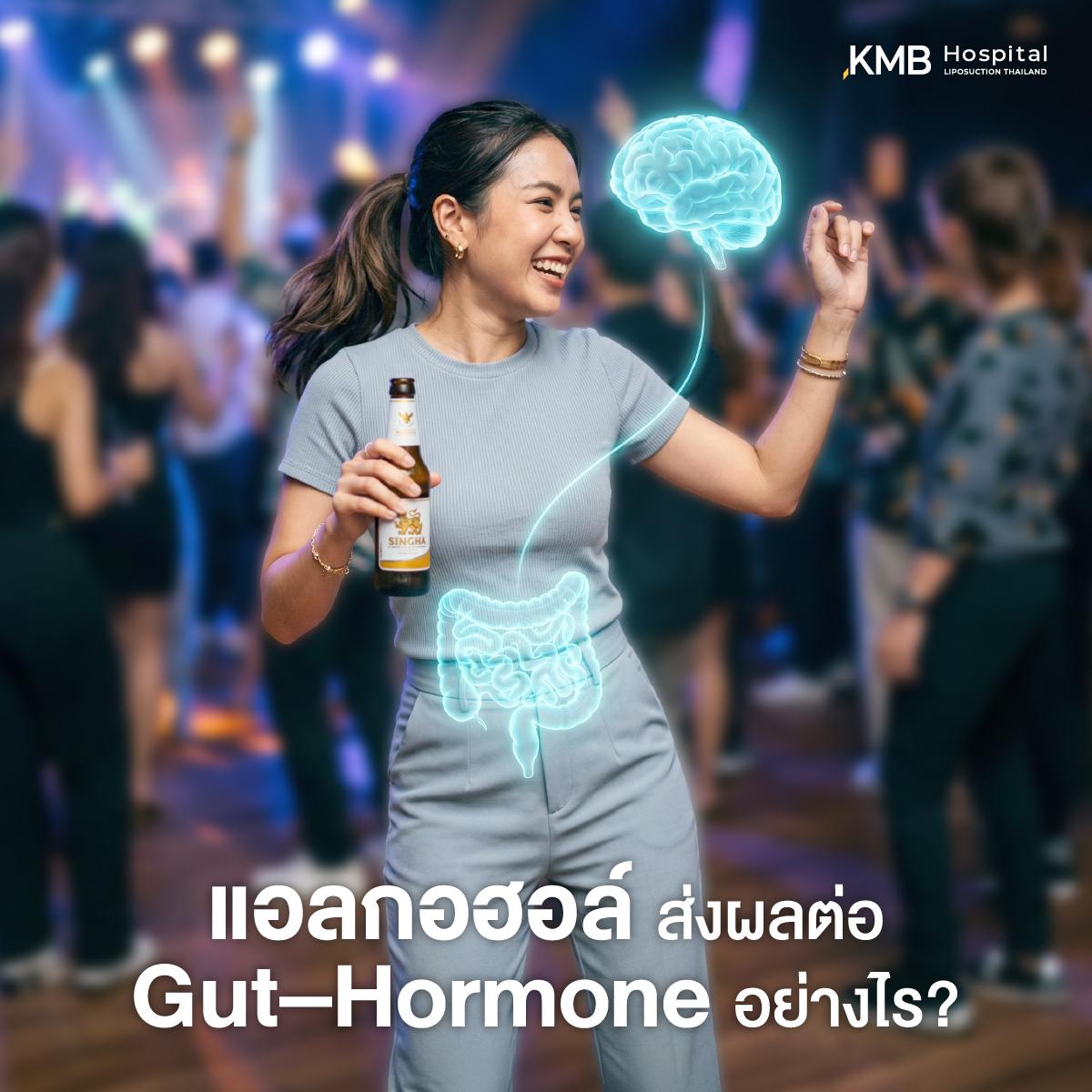
Alcohol does not affect only the liver. It also has systemic effects on the gut, hormones, and inflammation. In many studies, alcohol is linked to changes in gut permeability, microbial diversity, and the function of hormones involved in stress, hunger, and metabolism.
These effects are not caused by “alcohol alone,” but also depend on the amount, frequency, and pattern of drinking, as well as sleep, eating behaviour, and each person's underlying physical condition.
1) Alcohol and the gut barrier
One of the important effects of alcohol is disruption of the gut barrier, the protective lining of the intestine, especially when consumed in large amounts or frequently.
When the gut barrier loses its balance, its ability to filter what should be allowed into the body declines, which may lead to increased inflammatory signaling.
2) Alcohol and the microbiome
Alcohol can alter the balance of gut microbiota, especially in people who drink regularly or in high amounts.
- Reduces the diversity of the microbiome
- Increases the likelihood of dysbiosis
- Shifts the gut environment out of balance
In some cases, when a person stops drinking or adjusts their behaviour, the microbiome may gradually recover, but the speed of recovery depends on the previous pattern and other contributing factors.
3) Alcohol and hormones

Alcohol affects hormonal signaling across several systems, such as cortisol, insulin, and hunger-related hormones.
- May stimulate cortisol in the short term
- May disrupt insulin signaling
- Affects hormones that regulate hunger and satiety
If this recurs as a pattern, the hormonal system may become increasingly out of rhythm, especially when combined with irregular sleep, high stress, or unbalanced eating.
4) Effects on hunger and eating behaviour

Many people notice that after drinking alcohol they feel hungrier or find it harder to control their eating. Part of this is related to changes in appetite regulation and inhibitory control.
This explains why alcohol is often linked to overeating at the next meal, especially when drinking is combined with insufficient sleep or drinking late at night.
5) Alcohol and the gut–brain–hormone axis
Alcohol may affect communication between the gut, the brain, and the hormonal system, through the gut barrier, microbiome composition, and inflammatory signaling.
When this system is out of balance, it may show up as symptoms such as easy bloating, unstable hunger, unsteady energy, or altered responses to stress.
6) Who should be especially careful
- People with chronic bloating
- People with IBS or gut sensitivity
- People who sleep too little or have high stress
- People with metabolic syndrome
- People who drink frequently or drink heavily on days off
These groups may see clearer effects on the gut microbiome and hormones than the general population.
7) If you drink, how can you reduce the impact?
- Don't drink too frequently
- Avoid drinking large amounts in a single session
- Don't drink late at night too often
- Get enough sleep the following night
- Maintain fiber diversity and hydration on ordinary days
The key idea is not just “to drink or not to drink,” but to reduce the frequency and reduce the inflammatory load that recurs as a pattern.
Systems Interpretation
Alcohol does not affect only the liver; it has systemic effects on the gut, hormones, and inflammation.
Drinking in a repeated pattern may increase gut permeability, reduce microbial balance, and further disrupt hormonal rhythm. Restoring the system is therefore not a matter of stopping once, but of looking at sleep, diet, stress, and overall recovery together.
Frequently Asked Questions
1) Does even a small amount of alcohol affect the gut microbiome?
In small amounts and infrequently, the impact is usually not as severe as repeated pattern drinking, but in people with a sensitive gut there may still be an effect.
2) Why do I bloat easily after drinking?
Because alcohol may disrupt the gut barrier, the microbiome, and intestinal motility, making it easier to feel full or bloated.
3) Does alcohol affect hunger hormones?
It can, because alcohol is linked to appetite hormones and inhibitory control, which is why many people feel hungrier after drinking.
4) Can the microbiome recover after I stop drinking?
In many cases it can recover partially, especially when accompanied by behavioural changes such as sleep and diet.
5) Does drinking only on days off still have an effect?
If it takes the form of binge drinking, there can still be an effect, even without drinking every day.
Key Takeaways
- Alcohol affects the gut barrier and the microbiome
- It affects hormones such as cortisol and appetite regulation
- Frequency and pattern matter more than looking at a single occasion
- Sleep, diet, and stress all affect the recovery of the system
Hospital Authority
Written by: Medical Content Team, KMB Hospital
Reviewed by: Clinical Governance Committee, KMB Hospital
Published: 2 April 2026
Last updated: 2 April 2026
References
- Bishehsari F, et al. Alcohol and gut-derived inflammation. Alcohol Res. 2017.
- Leclercq S, et al. Role of intestinal permeability and inflammation in alcohol-related disorders. Neuropharmacology. 2019.
- Engen PA, et al. The gastrointestinal tract and alcohol. Alcohol Res. 2015.
- Wang SC, et al. Alcohol and hormonal regulation. Curr Opin Endocrinol Diabetes Obes. 2019.