
Circadian Rhythm: How Your Body Clock Connects the Gut and Hormones
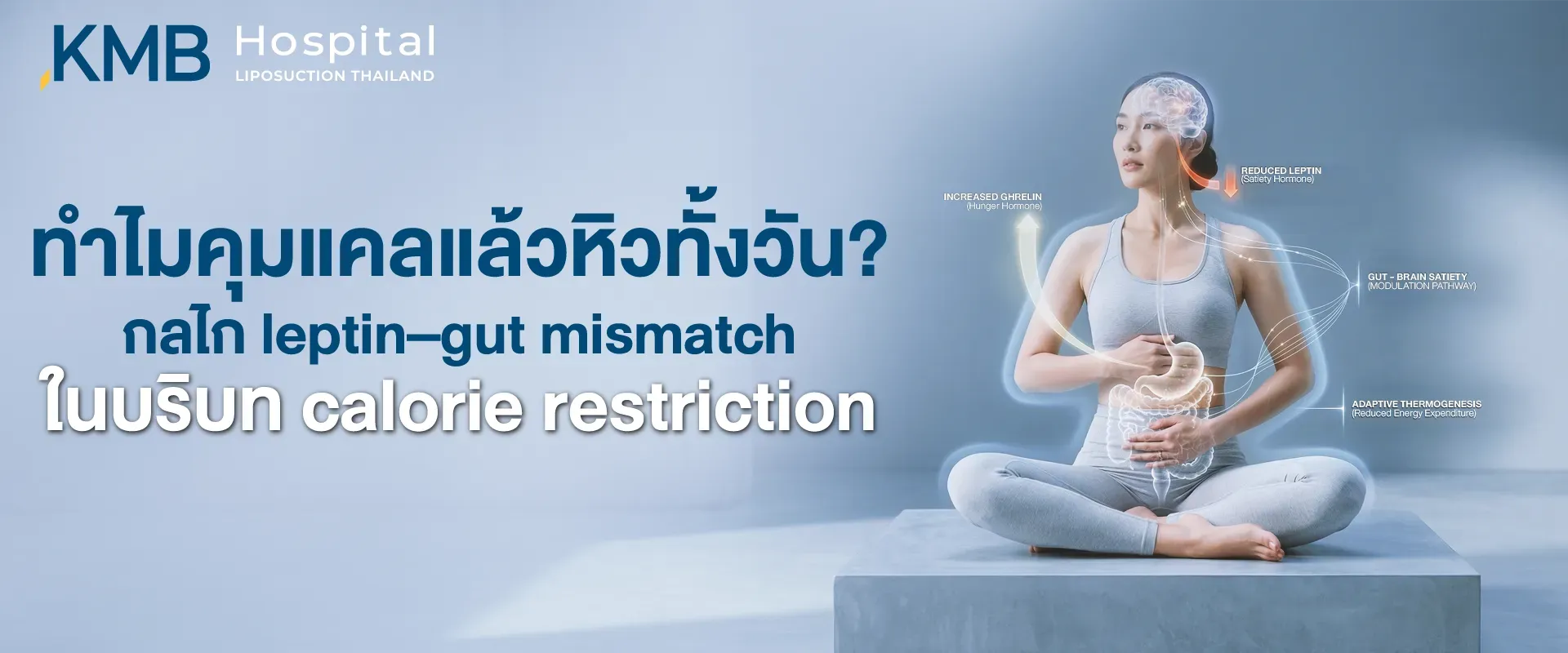
Circadian Rhythm: How Your Body Clock Connects the Gut and Hormones
The human body operates according to a circadian rhythm, or "24-hour biological clock," which regulates many essential processes, such as:
- Hormone secretion
- Insulin response
- Energy metabolism
- The sleep cycle
- Gut function
Recent research has found that the gut microbiome itself has a daily rhythm (microbial rhythmicity), and this rhythm may align with the body's hormonal cycles.¹²
The communication between the gut, brain, and hormones is described by the concept of the gut–brain–hormone axis, a multi-channel signaling system that links metabolism, the nervous system, and the microbiome together.
Table of Contents
1) The Central Clock and Organ Clocks
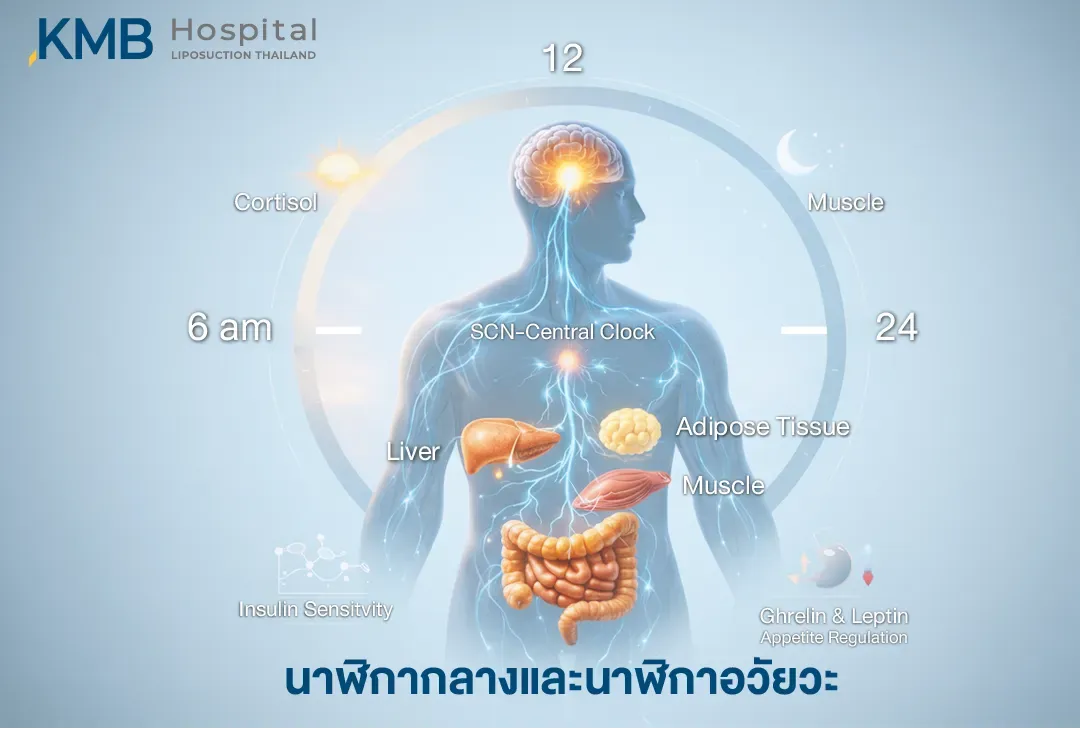
The circadian system operates on two levels:
- Central clock — the suprachiasmatic nucleus (SCN) in the brain
- Peripheral clocks — found in the liver, muscles, adipose tissue, and the gut
Many hormones follow a circadian rhythm, for example:
- Cortisol — high in the morning
- Melatonin — high at night
- Insulin sensitivity — changes with the time of day
- Ghrelin and leptin
These hormones are involved in the hunger–satiety system, which is explained further in the article SCFAs and Satiety Hormones
2) The Microbiome Has a Rhythm Too

Longitudinal sequencing studies have found that:
- The abundance of certain bacterial groups oscillates over the course of the day
- The production of short-chain fatty acids (SCFAs) follows a rhythmic pattern
- The feeding–fasting cycle affects microbial dynamics²
When eating times fall out of rhythm, such as:
- Eating late at night
- Eating at irregular times
- Going to bed late
microbial oscillation may be disrupted, and in some cases this is associated with dysbiosis in the gut
3) Meal Timing Is a Key Zeitgeber

The term Zeitgeber refers to a signal that sets the timing of the clock system.
- Light → regulates the central clock
- Meal timing → regulates the peripheral clocks
Reviews of time-restricted eating (TRE) indicate that a feeding window aligned with the circadian rhythm may be associated with metabolic improvement and rhythmic stability.³
4) Circadian Disruption and the Microbiome
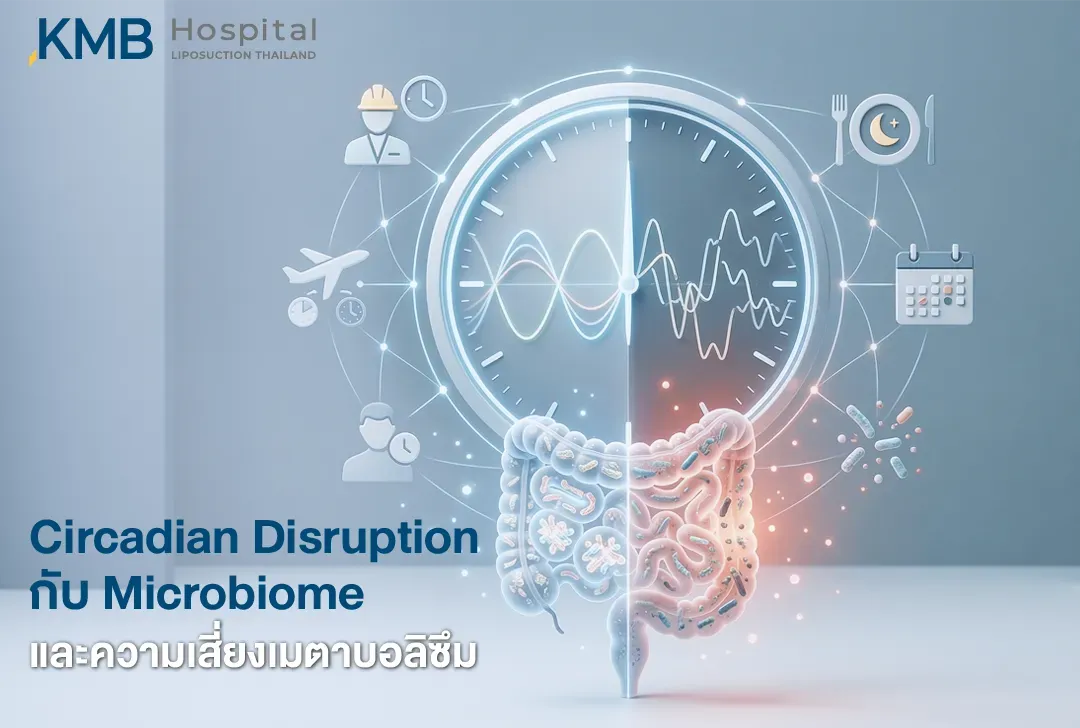
Conditions that disrupt the circadian rhythm, such as:
- Shift work
- Jet lag
- Late-night eating
A systematic review found that these conditions are associated with:
- Shifts in microbiome diversity
- Altered inflammatory signaling
- Increased metabolic risk markers⁴
The role of stress on the microbiome is explained further in the article How Stress Changes the Gut Microbiome
5) Hormones and the Gut Through the Lens of Time
Cortisol has a circadian peak in the morning.
Melatonin is high at night and is associated with gut motility and immune tone.
Reviews in chronobiome medicine propose that the microbiome may respond to hormonal oscillation.¹
6) Circadian Rhythm and Insulin Sensitivity
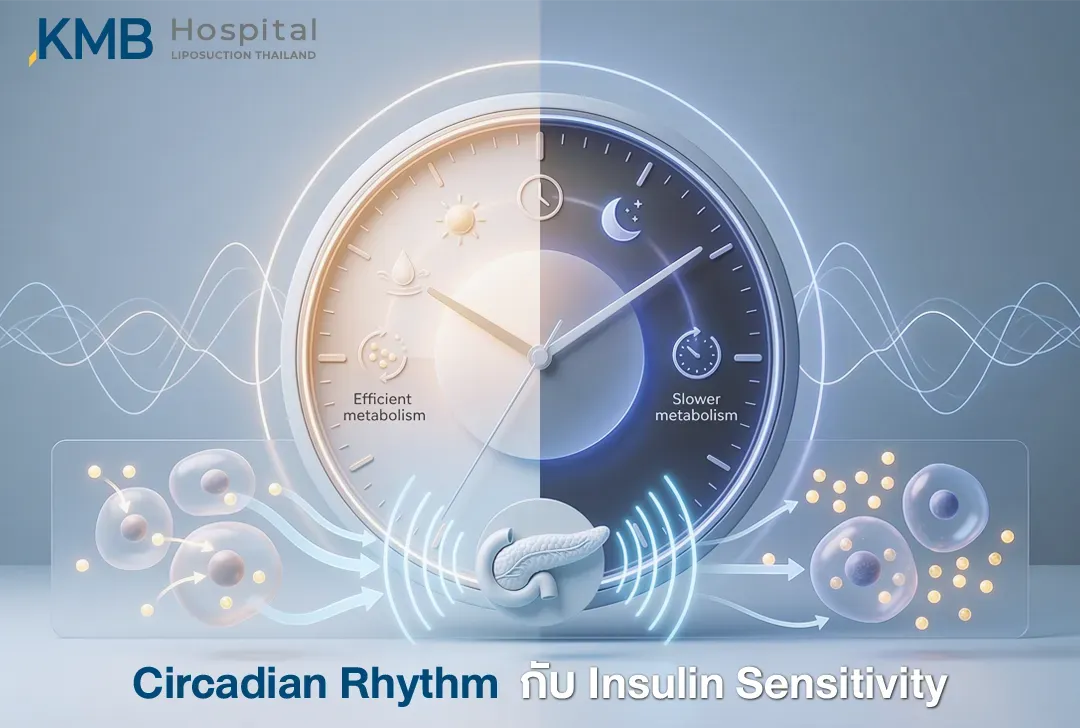
Research in chronometabolism has found that insulin sensitivity varies with the time of day.
- In the morning → insulin sensitivity is higher
- At night → glucose tolerance decreases
The relationship between the microbiome and insulin metabolism is explained in the article How the Gut Microbiome Affects Insulin Sensitivity
7) A Two-Way System
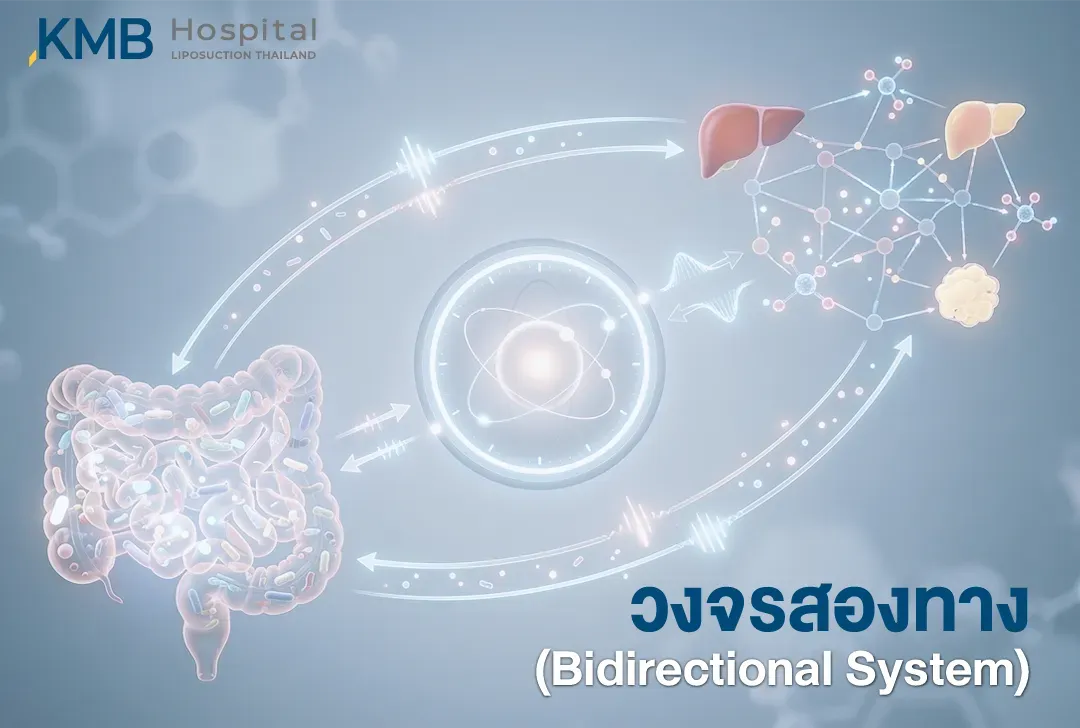
- Circadian disruption → microbiome shift
- Microbiome metabolites → metabolic signaling
- Hormonal rhythm → reshapes the microbial niche
This system is therefore a bidirectional network.
Limitations
- Longitudinal human studies are still limited
- Methods for measuring circadian misalignment vary
- Baseline microbiome variability is high
Frequently Asked Questions
Does the circadian rhythm really affect the microbiome?
Numerous studies have found that the microbiome has a rhythmic pattern associated with meal timing and the circadian rhythm.
Does eating late at night affect metabolism?
Meal timing that is out of sync with the circadian rhythm may be associated with an altered glucose response and metabolic dysregulation.
Does sleep affect the gut?
Sleep affects hormonal rhythms, which may in turn affect the microbiome and gut physiology.
Key Takeaway
When the body's rhythm is thrown off, the gut, hormones, and energy management may fall out of sync along with it.
Understanding "when" you eat is therefore just as important as "what" you eat.
Related Articles
- How Gut Bacteria Communicate With the Brain
- Dysbiosis and Frequent Hunger
- SCFAs and Satiety Hormones
- How Stress Changes the Gut Microbiome
Hospital Authority
KMB Hospital is committed to a fair, time-appropriate evaluation of outcomes following liposuction programs, ensuring care that is safe, reassuring, and respectful of each patient's body.
Content Information
Written by: Medical Content Team, KMB Hospital
Reviewed by: Clinical Governance Committee, KMB Hospital
Published: 9 March 2026
Last updated: 9 March 2026
References
- Bautista J, et al. Chronobiome medicine: circadian regulation of host–microbiota crosstalk in systemic physiology. Front Endocrinol. 2025.
- Zheng B, et al. The molecular interplay between the gut microbiome and circadian rhythms. 2025.
- Lages M, et al. Time-restricted eating and metabolic biomarkers. Proc Nutr Soc. 2024.
- Grasa-Ciria D, et al. Shift work and gut microbiota alterations. 2025.