
PMS vs PMDD: What's the Difference, Symptoms and Hormones
PMS vs PMDD: What's the Difference
Answer-first:
PMS and PMDD are not the same. Although both conditions occur in the days before menstruation, PMDD is the more severe condition, clearly affecting daily functioning, relationships, and quality of life, whereas PMS is usually mild to moderate and does not cause pronounced functional impairment.
Table of Contents
1️⃣ What is PMS?
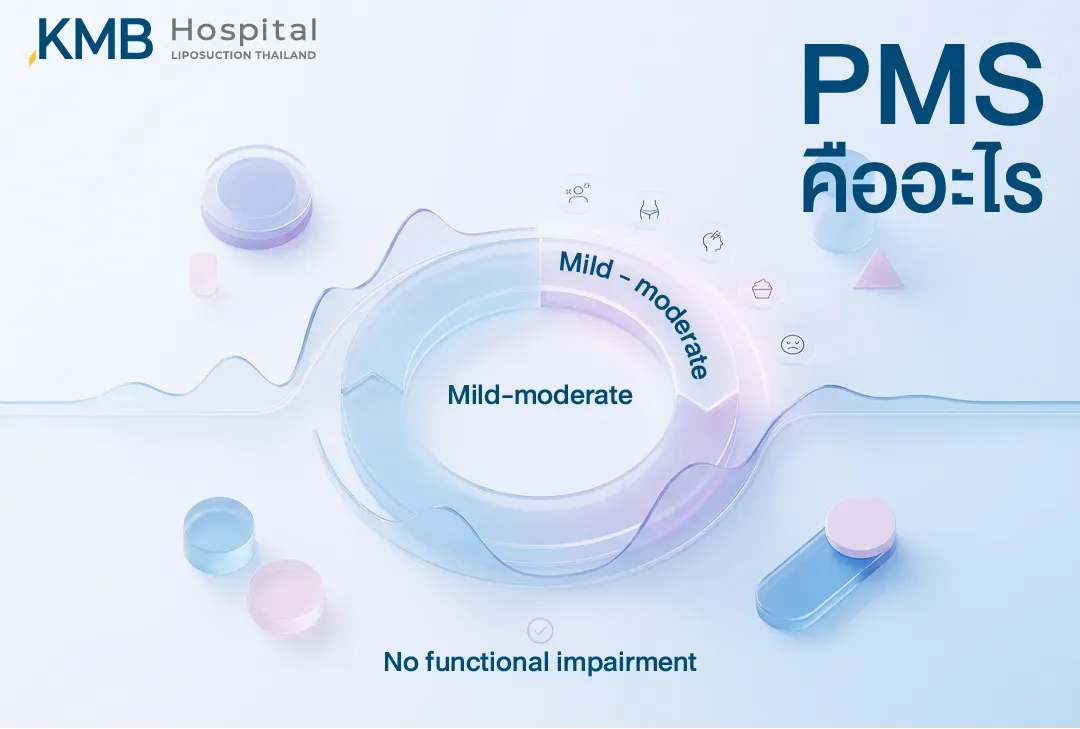
PMS, or Premenstrual Syndrome, is a cluster of symptoms that occur during the luteal phase and usually improve after menstruation begins.
Common symptoms include:
- Irritability
- Bloating
- Headache
- Sugar cravings
- Heightened emotional sensitivity
In general, PMS is usually mild to moderate and does not cause clear functional impairment.
2️⃣ What is PMDD?
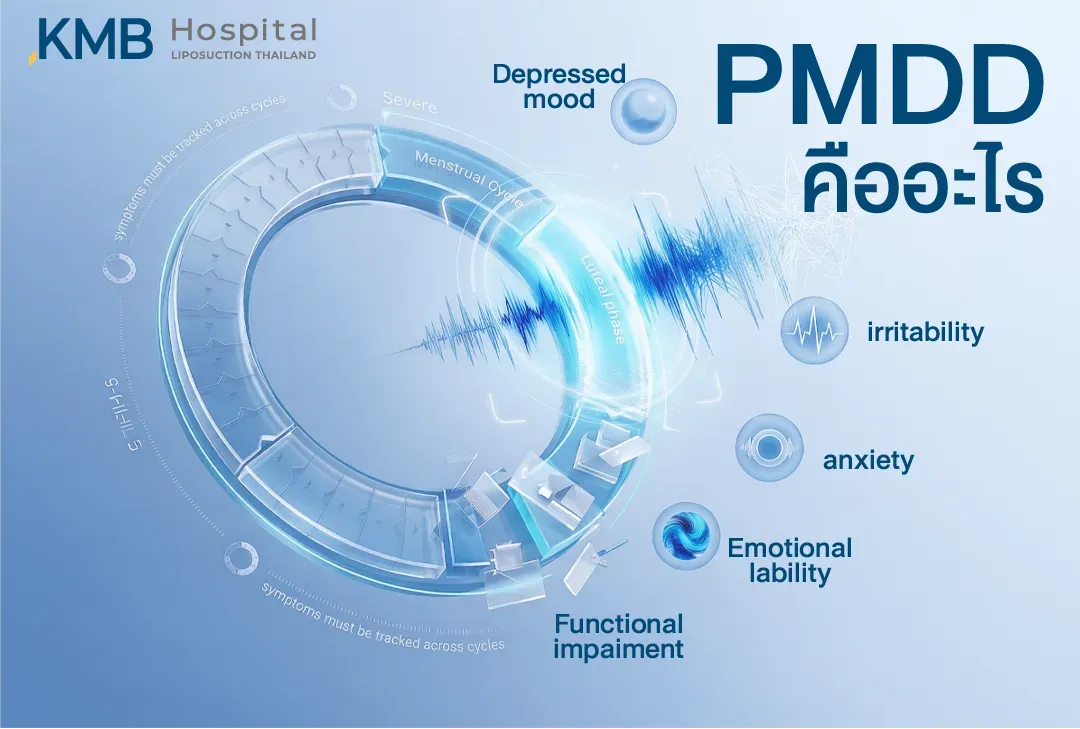
PMDD, or Premenstrual Dysphoric Disorder, is a severe form of premenstrual mood disorder and is classified in the DSM-5.
The core symptoms typically include at least one of the following:
- depressed mood
- marked irritability
- high anxiety
- emotional lability
These occur alongside additional symptoms sufficient to meet the diagnostic criteria and clearly affect daily life or relationships.
3️⃣ How Is PMDD Diagnosed?
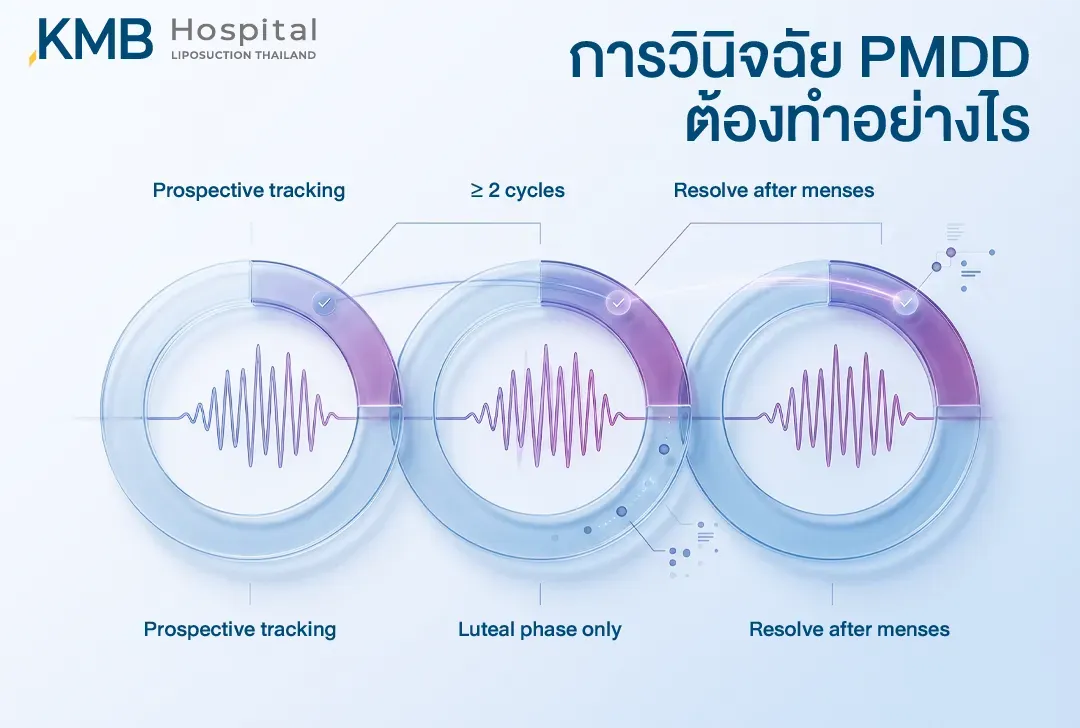
Assessing PMDD cannot rely on a single retrospective recollection.
What matters is:
- Prospective symptom tracking is required
- Over at least 2 menstrual cycles
- Symptoms must be prominent during the luteal phase
- And improve after menstruation begins
4️⃣ The Biological Mechanism
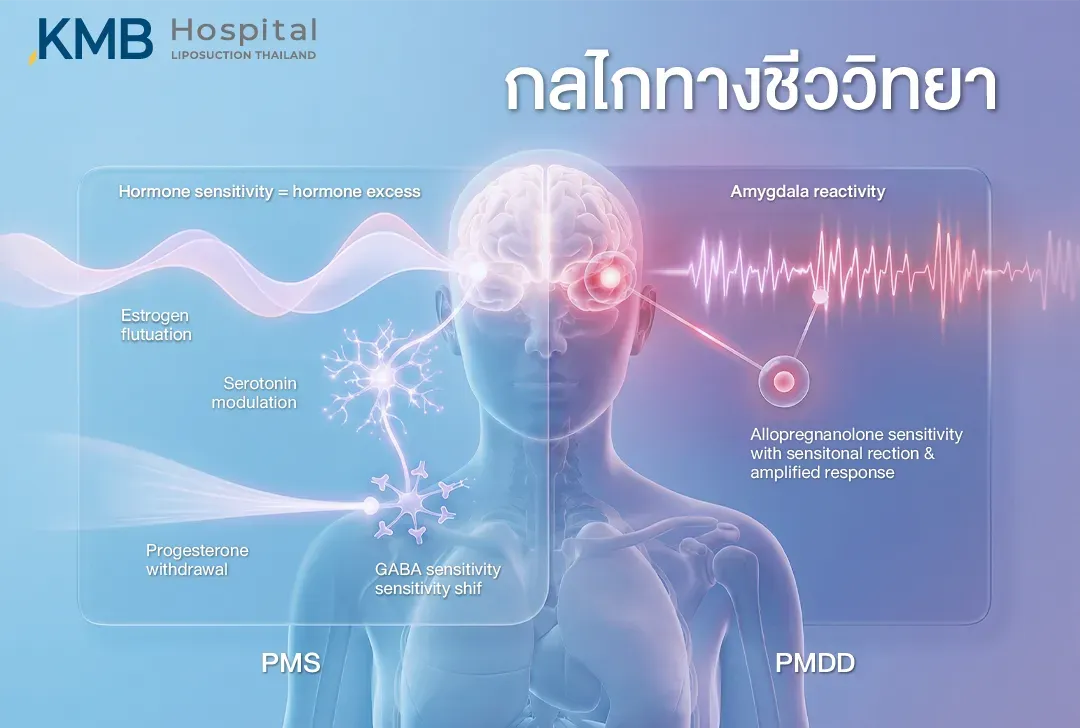
Neither PMS nor PMDD is caused by excessively high hormone levels; rather, they are linked to brain sensitivity to hormonal fluctuations.
The main mechanisms include:
- estrogen fluctuation → serotonin modulation
- progesterone withdrawal → GABA receptor sensitivity change
In PMDD, there is supporting evidence that sensitivity to allopregnanolone is abnormally high, and there may be increased amygdala reactivity.
5️⃣ How Involved Is the Gut–Brain Axis?
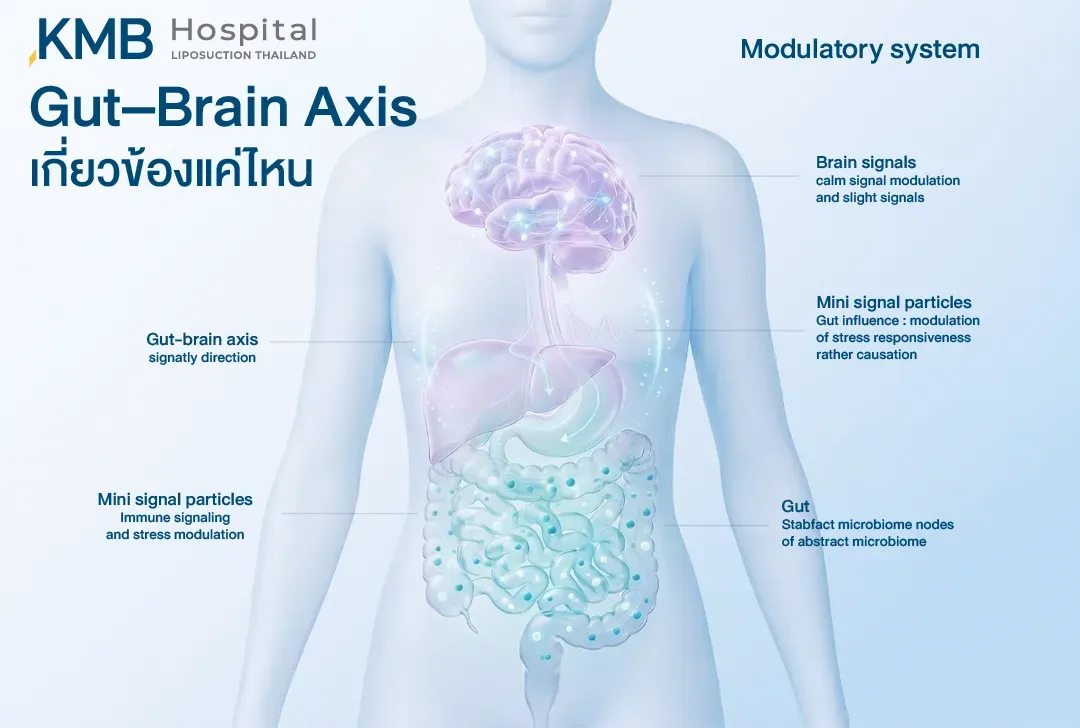
The gut–brain axis may play a role in:
- stress responsiveness
- immune signaling
- systemic inflammatory tone
However, there is currently no evidence that dysbiosis is a primary cause of PMDD.
Thus, the gut acts more as a modulatory system than as a primary diagnostic factor.
6️⃣ Treatment
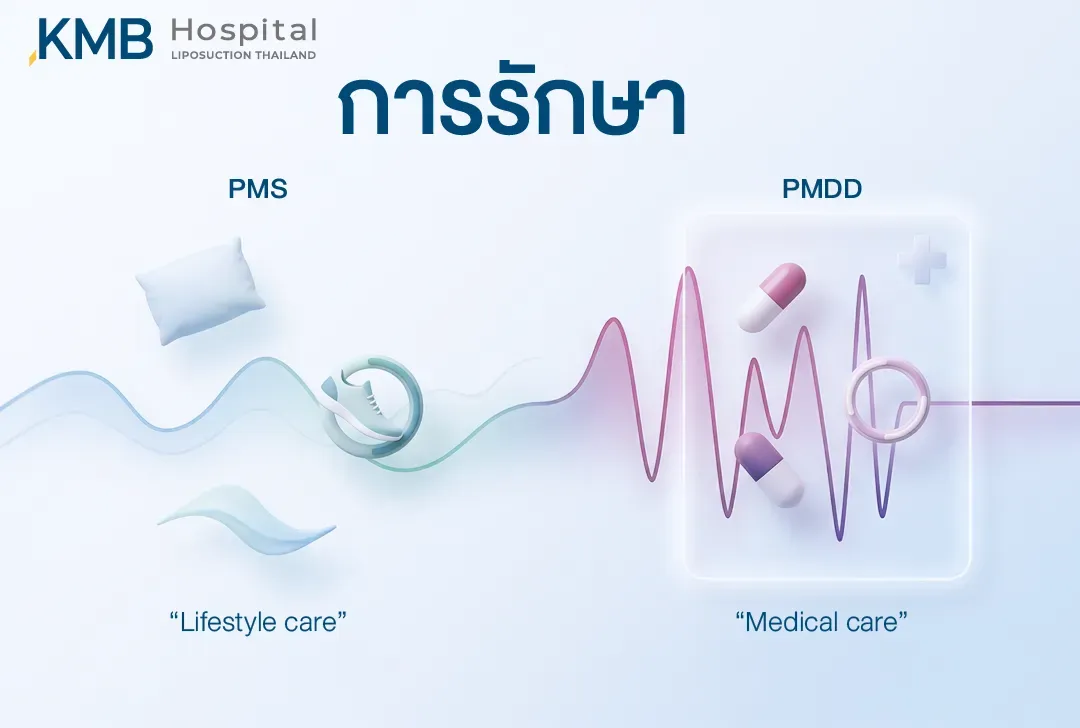
PMS
- sleep optimization
- exercise
- stress management
- behavioral consistency
PMDD
- SSRIs are usually the first-line treatment
- Some patients may use hormonal modulation
- Should be managed under the care of a physician
Key Takeaways
- PMS and PMDD are not the same
- PMDD is a clearly defined psychiatric diagnosis
- Symptom tracking over at least 2 menstrual cycles is required
- It is not caused by excessively high hormones
- The gut is not a primary cause
- Severe symptoms warrant seeing a physician
FAQ
How do PMS and PMDD differ?
PMS usually involves mild to moderate symptoms, while PMDD is more severe and clearly affects daily life.
How is PMDD diagnosed?
Symptoms must be tracked over at least 2 menstrual cycles, and they must be prominent specifically during the luteal phase and then improve after menstruation begins.
Is PMDD caused by excessively high hormones?
No. PMDD is more related to the brain's sensitivity to hormonal fluctuations.
Recommended Further Reading
- Mood Swings and the Gut–Brain Axis
- The Menstrual Cycle and Sugar Cravings
- Premenstrual Bloating: Caused by Progesterone or Dysbiosis?
- Premenstrual Acne and Gut–Inflammation
Hospital Authority
Written by: Medical Content Team, KMB Hospital
Reviewed by: Clinical Governance Committee, KMB Hospital
Published: 27 March 2026
Last updated: 27 March 2026
References
- Gordon JL et al. The neurobiology of premenstrual dysphoric disorder. Lancet Psychiatry. 2021.
- Schiller CE et al. Reproductive steroid regulation of mood and behavior. Nat Rev Endocrinol. 2020.
- Bäckström T et al. Allopregnanolone and mood disorders. Neuropharmacology. 2021.
- American Psychiatric Association. DSM-5-TR. 2022.
- Yonkers KA, Simoni MK. Premenstrual disorders. Lancet. 2020.
- Freeman EW. Therapeutic management of PMS and PMDD. Expert Opin Pharmacother. 2021.