FAT Mapping™ What are the assessment steps before the liposuction program? | KMB Hospital
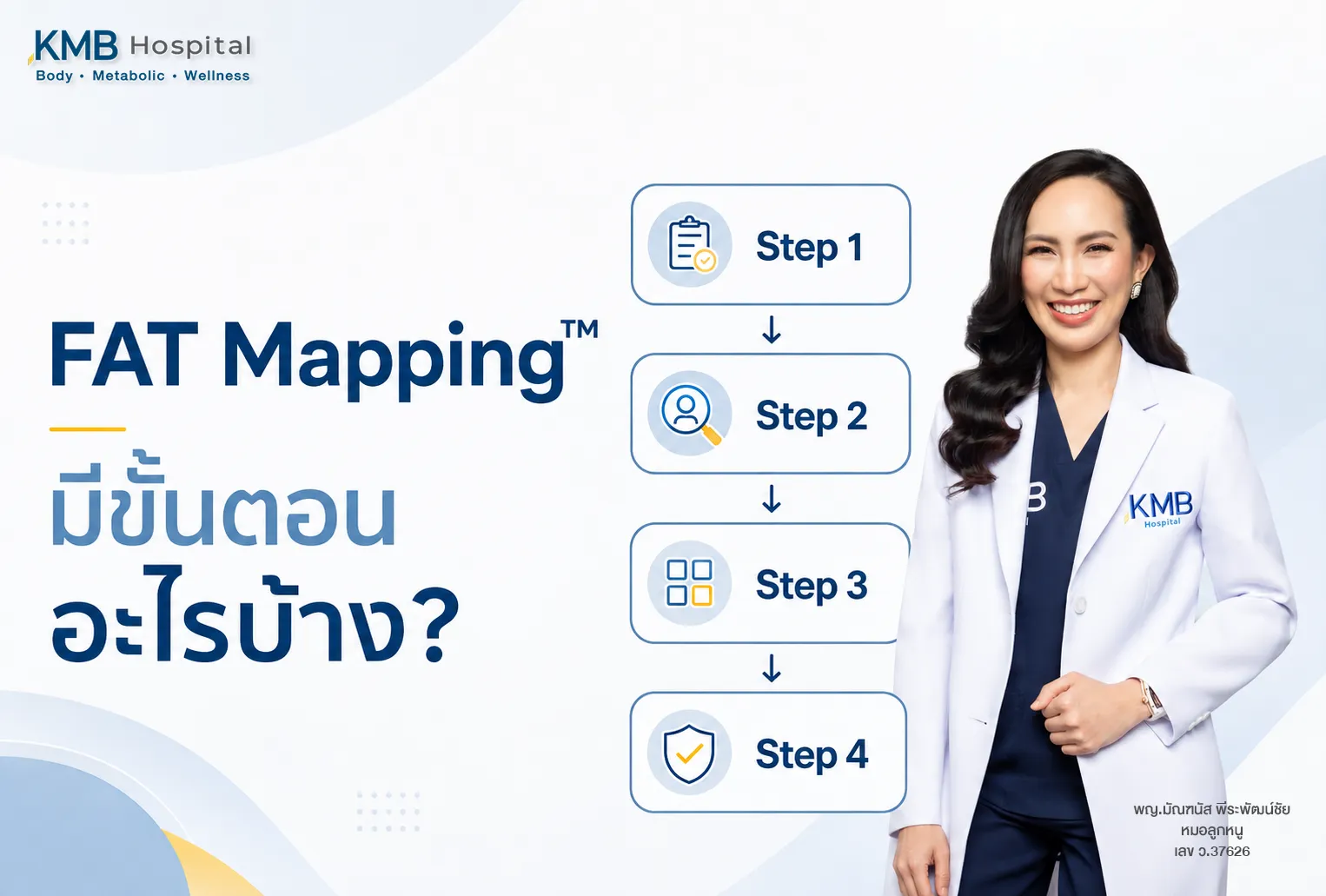
What are the FAT Mapping™ assessment steps before liposuction programs?
FAT Mapping™ is a pre-liposuction program assessment process that begins with a systematic understanding of the treatment recipient's body.
This process gathers information regarding body shape, fat distribution, skin quality, body structure, and goals before the physician analyzes all the information together to assist in planning treatment. While the assessment details may vary for each individual, the core principle is to collect complete information before planning begins, rather than rushing to choose a treatment method.
FAT Mapping™ is not just a single diagnostic step
When hearing the word "diagnosis" or "check-up", many might think of entering a machine, receiving results, and finishing. But in reality, FAT Mapping™ is not a single check-up, and not just using a single type of instrument.
FAT Mapping™ is an assessment process consisting of several consecutive components, where each component has the task of collecting information on different aspects. Once all data is collected, the physician brings them together to analyze to assist in planning.
The important thing is not "how many steps there are," but that every component is answering different questions about the treatment recipient's body.
FAT Mapping™ begins with conversation, not with instruments
Many people think that when arriving at the hospital, the first step is entering a machine for examination. But for KMB Hospital, the first priority is communicating with the treatment recipient.
Before assessing body shape, the physician needs to understand the reason for consultation, areas of concern, desired goals, and expectations from the treatment.
This information helps the following assessments have a clearer direction and align with each individual's goals.
Each data part performs different functions
When starting the FAT Mapping™ process, data is gradually collected in parts. The data does not compete with each other but serves to complement one another, enabling the physician to see the complete picture of the body.
Body Composition Elements
Helps understand fundamental body information related to body shape.
Fat Distribution
Helps show which areas of concern or proportions relate to fat.
Skin Quality
Ensures evaluation is not limited to fat but also considers the skin.
Body Proportion Relationships
Provides a clear picture of overall proportions, not separating concerned areas from the rest of the body.
Key components of the FAT Mapping™ process
Although assessment details for each individual may differ, in principle, FAT Mapping™ consists of important components working sequentially to help physicians understand the body before planning a liposuction program. Each component has different functions, and no single component can fully replace all others.
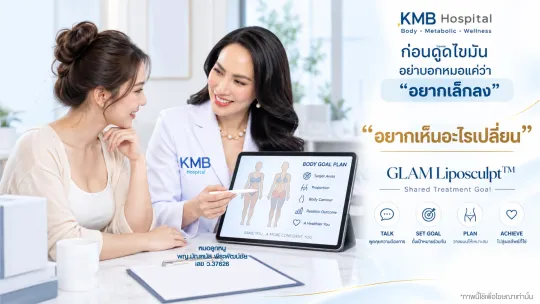
Understanding the Treatment Recipient's Goals
Assessment begins with listening more than examining. The physician discusses to understand the treatment recipient's concerns, which body parts they want to change, and the type of results they expect.
Listening from the start helps subsequent assessments have a clear direction aligned with each individual's goals.
Assessing Body Shape and Proportions
Once goals are understood, the next step is to assess the overall body shape, not just concerned areas.
The physician considers the relationship of body proportions, such as abdomen, waist, hips, upper arms, thighs, or back. Often, the area of interest may have relationships with other areas more than visible from the outside.
Assessing Tissue Data and Body Composition
After assessing body shape, the physician combines information from assessment areas such as body composition, fat distribution, skin quality, structure, plus data from instruments used as appropriate.
The purpose is not just to look at numbers but to explain which components cause the visible body shape.
Analyze and Plan Together
Once information is fully collected, the physician explains findings, relationships between information aspects, and appropriate guidance for the treatment recipient.
This process is a joint discussion, not a one-sided decision, so both the physician and treatment recipient understand the same data set before planning care.
What questions is each component answering?
When viewing the whole process, it is visible that each component is answering a different question. When the answers to these four questions are complete, planning the liposuction program will have more information to support than relying only on external viewing.
| Component | Question It Helps Answer |
|---|---|
| Understanding Goals | What does the treatment recipient want? |
| Assessing Body Shape and Proportions | How is the overall body shape? |
| Assessing Tissue and Body Composition | Which components are creating what is seen? |
| Analyze and Plan Together | After understanding all information, how should we plan together? |
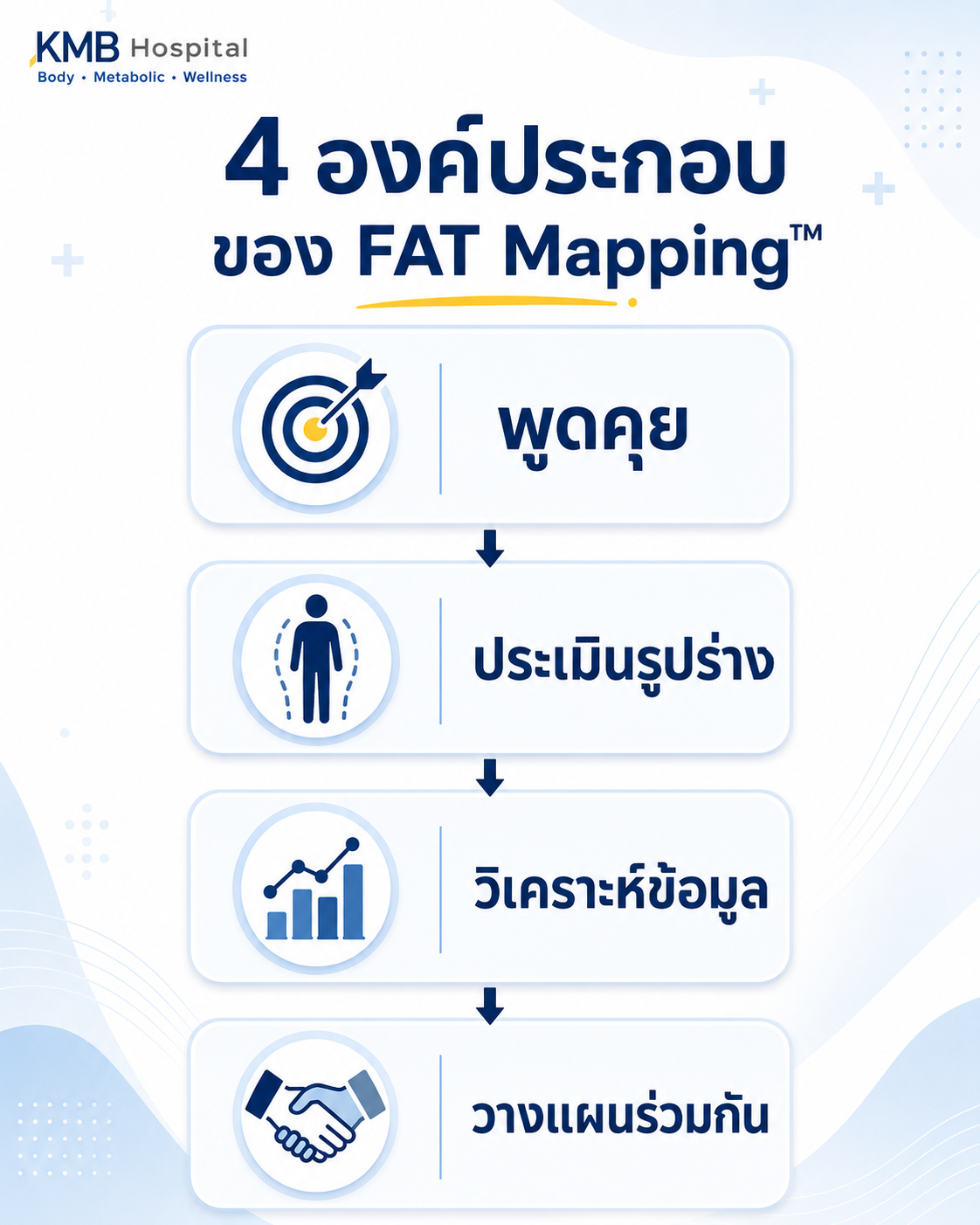
Overall sequence of the FAT Mapping™ process
Why every component of FAT Mapping™ is important for liposuction program planning
When viewing each component separately, they may appear as unrelated information parts. But when all data is considered together, it creates a more complete overall body picture.
For example, if one only knows there is accumulated fat but does not know the skin quality, the assessment may not be complete. Or if one only knows the fat location but does not understand the overall body shape proportions, the plan may not cover all relevant components.
Thus, the value of FAT Mapping™ is not in any single piece of data, but in linking all aspects together so that liposuction program planning starts with comprehensive body understanding.
FAT Mapping™ is a process, not a single check-up
The word "check-up" may make many think of entering a machine, getting results, and finishing. But FAT Mapping™ is different because it is a process consisting of conversations, assessments, analysis, and result explanations.
Every component helps answer different questions, eventually creating information usable for planning.
When speaking of FAT Mapping™, the most important thing is not the number of instruments or steps, but ensuring all information links meaningfully.
Linked information helps see a more complete picture.
Each piece of data may have value only partially, but when all information is linked together, it creates understanding that makes planning more comprehensive.

Summary
FAT Mapping™ is a pre-liposuction program assessment process that helps gather information about body shape, fat distribution, skin quality, body structure, and treatment recipient goals before analyzing all information together for planning.
Although assessment details may differ per individual, the key principle remains the same: gather complete information before deciding.
When both physician and treatment recipient understand the same data set, discussions and planning will be clearer and more appropriate for each individual.
Important Points to Know
FAT Mapping™ is an assessment process, not a single diagnostic step.
Assessment begins with understanding the treatment recipient's goals.
Each component data has different functions and must be analyzed together.
The purpose is to help liposuction program planning have more comprehensive supporting data.
Good planning starts from understanding rather than rushing to choose treatment methods.
Brief Summary
FAT Mapping™ is a pre-liposuction program assessment process that gathers information from multiple components including body shape, fat distribution, skin quality, body structure, and treatment recipient goals before the physician analyzes all together for planning. This assessment helps decisions happen based on comprehensive understanding rather than considering only one aspect of data.
Frequently Asked Questions
Does FAT Mapping™ take a long time to assess?
Time depends on the details of assessment for each individual and approach of each facility. Since FAT Mapping™ is a process gathering multiple aspects of data, not a single diagnostic step.
How many types of instruments are used for FAT Mapping™?
There is no fixed number because assessment depends on necessary data for each treatment recipient. Instruments are only a part of the process, and analyzing all data is the physician's duty.
After doing FAT Mapping™, will the guidance for care be known immediately?
After collecting all data, the physician will analyze all information together with the treatment recipient's goals before planning appropriate care together.
Read more in the FAT Mapping™ Knowledge Series
Articles from Dr. Looknuu
Start with Assessment to Understand Before Planning
Details of FAT Mapping™ and care guidance may differ per individual. Talking to the physician helps understand data, limitations, and appropriate expectations for one's own body better.
Article Creator and Reviewer Information
Article Creator
KMB Hospital
Medical Reviewer
Dr. Manatana Peerapatchai (Dr. Looknuu)
Medical License Number W.37626
Sources and Review
This article is compiled from KMB KNOWLEDGE BLUEPRINT™ and has been medically reviewed by Dr. Manatana Peerapatchai, Medical License Number W.37626, without adding treatment data, numbers, or claims beyond the original content.
Medical Notes
This article is prepared to provide knowledge about FAT Mapping™ and the pre-liposuction program assessment process. The information in this article is intended to support reader's understanding and cannot replace examination, diagnosis, or personalized treatment planning. If you need advice appropriate for your own body, please undergo assessment by a physician.