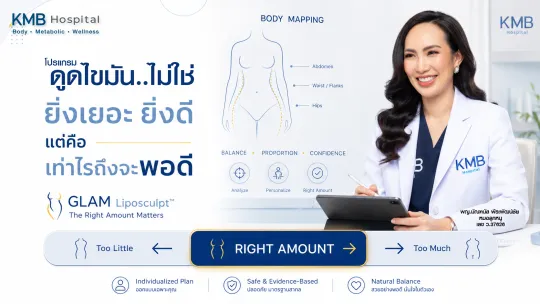
How do doctors use FAT Mapping™ data to plan personalized liposuction programs?
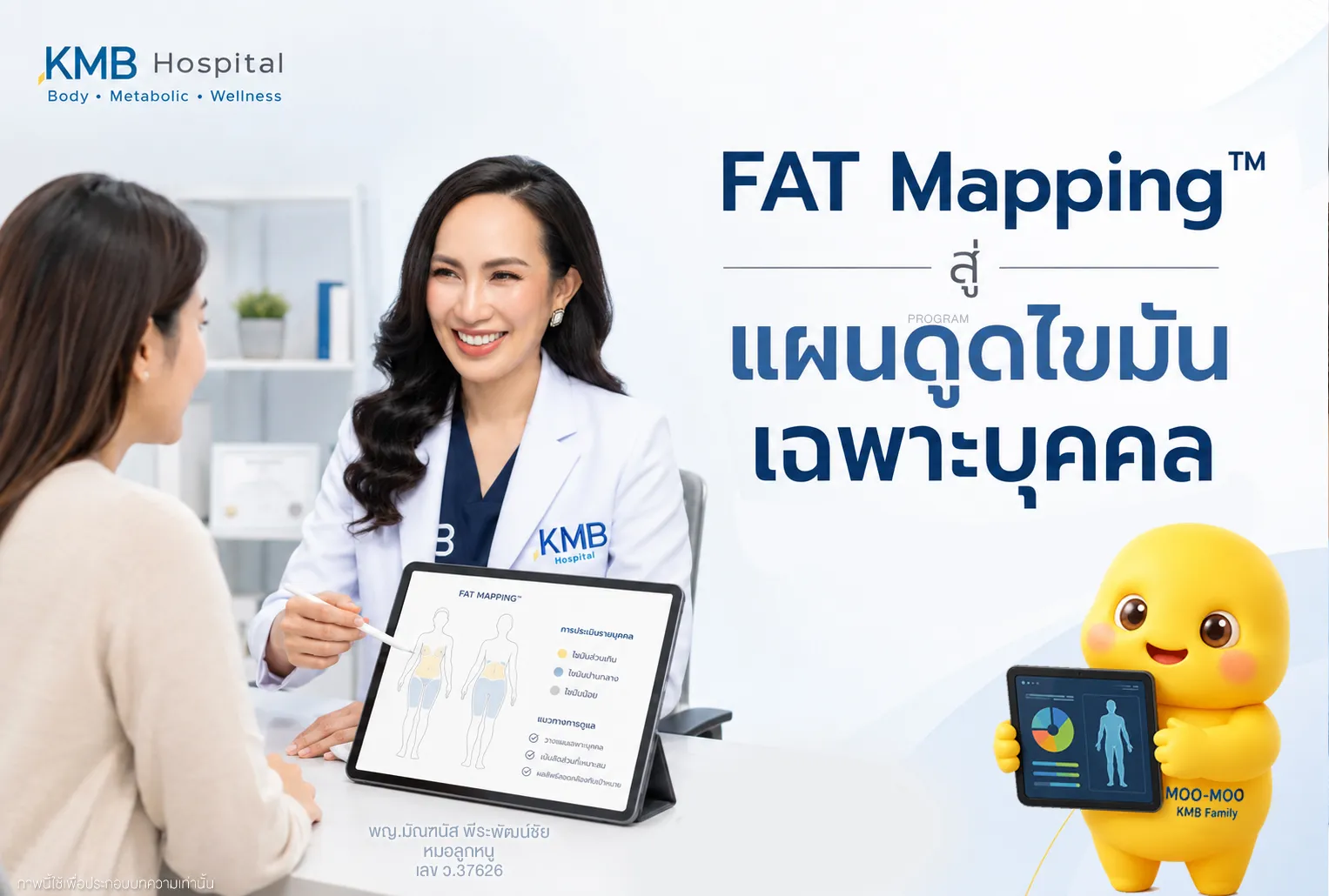
KMB HOSPITAL · PERSONALIZED TREATMENT PLANNING | Reading time approx. 8 minutes
How Doctors Use FAT Mapping™ Data to Plan Personalized Liposuction Programs
Category: FAT Mapping™ • Personalized Liposuction Planning Program
First published: August 21, 2026 · Last updated: August 21, 2026
Written by Medical Content Team, KMB Hospital
Medically reviewed by Dr. Mantanus Pirapatchanai (Dr. Luk Nue)
After performing FAT Mapping™, doctors do not make decisions based on data alone. They analyze it together with medical history, physical examination, client goals, and physical limitations to create a personalized liposuction program (Personalized Treatment Plan).
Clients with similar FAT Mapping™ data may receive different liposuction program plans because planning does not rely solely on tool data, but uses all clinical information for decision-making.
After completing FAT Mapping™, what are the next steps?
Many people assume that once FAT Mapping™ is completed, the liposuction program plan can be finalized immediately.
However, in fact, FAT Mapping™ is just one piece of data used by doctors for planning.
After obtaining the data, doctors will analyze the assessment results combined with other information, such as:
Health History
Physical Examination
Patient Expectations
Treatment Safety
Outcome Feasibility
When all data is considered together, the process of creating an individualized liposuction program plan begins.
Why might clients with similar FAT Mapping™ results receive different liposuction treatment plans?
The FAT Mapping™ result is important information, but not all the information
For example, two clients may have similar fat distribution but different goals
Client One
Wants minimal body contouring adjustments
Client Two
Wants to change proportions in multiple areas or may have differing health information
These factors prevent doctors from using the same liposuction treatment plan for everyone, even if the FAT Mapping™ results are similar
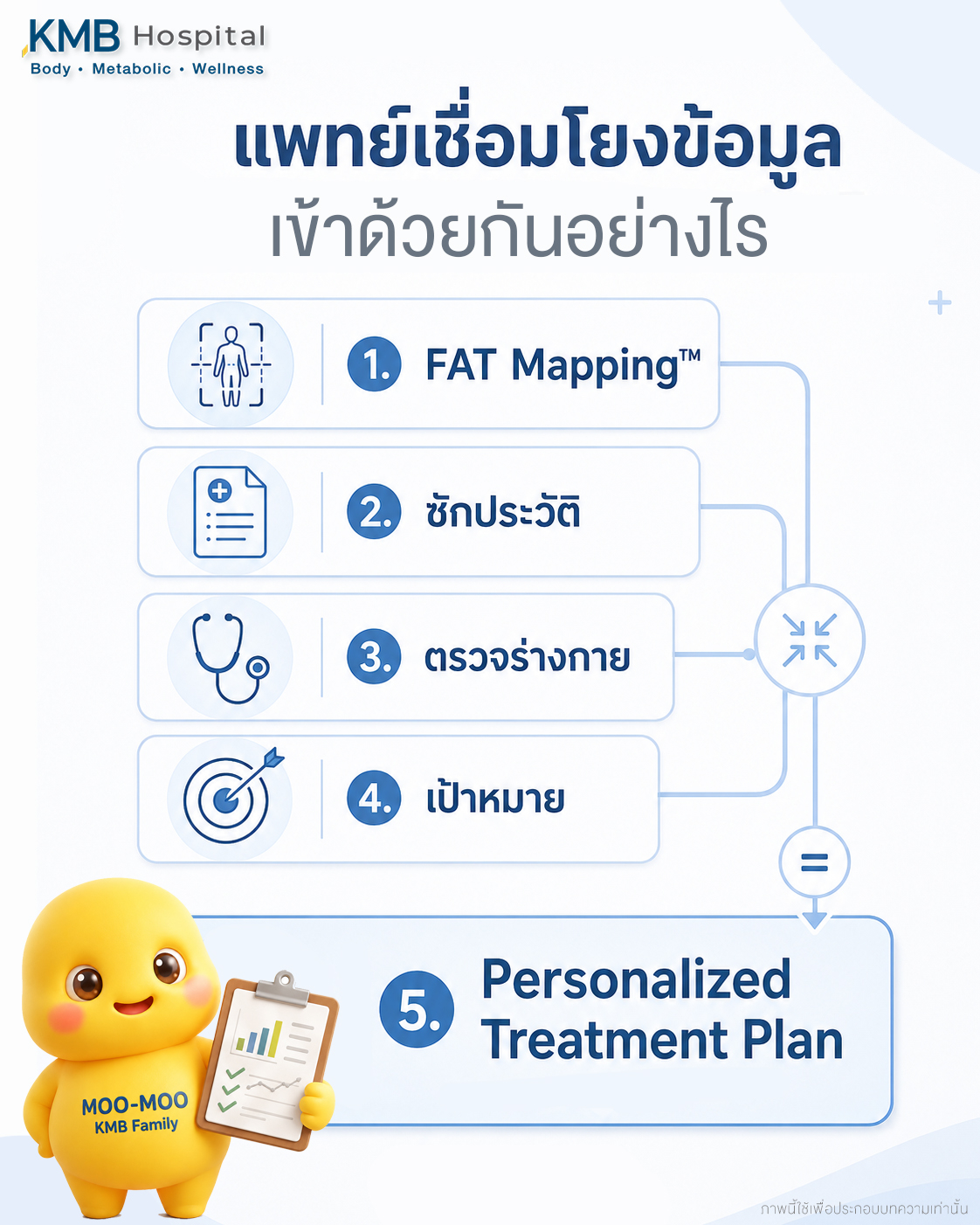
How do doctors integrate all the information?
Before planning a liposuction program, doctors gather information from multiple sources simultaneously, not just results from FAT Mapping™
Medical History
Physical Examination
Proportion Assessment
Patient Expectations
Treatment Safety
All information will be analyzed together so that the liposuction program plan fits each patient's body, rather than using a one-size-fits-all approach.
| Information | Role in Planning |
|---|---|
| FAT Mapping™ | Helps systematically collect data on body shape and fat distribution. |
| History and Physical Examination | Helps doctors understand health, structure, and related limitations. |
| Goals and Expectations | Helps determine approaches consistent with each patient's context. |
| Safety | Is important information for considering the suitability of the treatment plan. |
Personalized Treatment Plan does not mean more complex treatment
Many people understand that the term Personalized Treatment Plan means adding treatment steps or performing multiple procedures at the same time.
But in medical terms, Personalized Treatment Plan is selecting the most suitable approach based on each client's data.
Some
may use a simple treatment plan.
Others
may need to consider multiple components together.
The key point is that all plans are generated from actual body data, not from using the same format for everyone.
Key Points to Know
Additional Questions Regarding Personalized Plan Adjustments
Will the Liposuction Treatment Plan Change if FAT Mapping™ Results Change?
It may change. If body information, health status, or assessment results change, the doctor may adjust the liposuction treatment plan to align with the client's latest information.
What Information Does the Doctor Use to Create a Personalized Liposuction Plan?
Generally, the doctor uses information from FAT Mapping™, medical history interviews, physical examinations, client goals, safety, and physical limitations for joint consideration.
What Are the Benefits of Planning a Personalized Liposuction Program?
Personalized planning ensures treatment approaches align with each client's specific information, reduces using a one-size-fits-all approach, and makes explaining the rationale of the treatment plan clearer.
Frequently Asked Questions
After Completing FAT Mapping™, Can the Liposuction Plan Be Made Immediately?
FAT Mapping™ is important information that helps doctors understand body shape and fat distribution, but before planning the liposuction program, the doctor must also consider medical history interviews, physical examinations, and the client's health information.
How Does FAT Mapping™ Impact Liposuction Plan Planning?
FAT Mapping™ helps doctors view body information systematically, allowing analysis alongside other clinical data to select the liposuction approach suitable for each person.
Why Do Clients with Similar FAT Mapping™ Results Receive Different Liposuction Plans?
Because planning does not rely solely on FAT Mapping™ results; the doctor must also consider expectations, physical examinations, health history, and physical limitations jointly.
What Is a Personalized Treatment Plan?
A Personalized Treatment Plan is a treatment plan designed from each client's information, using FAT Mapping™, medical history interviews, physical examinations, and clinical data together, to ensure the liposuction treatment plan is appropriate for each individual.
Can FAT Mapping™ Replace the Physical Examination Before the Liposuction Program?
No. FAT Mapping™ is a tool to help gather information, but planning the liposuction program still relies on physical examinations, medical history interviews, and the doctor's joint consideration.

Article Summary
FAT Mapping™ is the starting point of data collection, but not the end of the liposuction program planning process
The physician analyzes FAT Mapping™ data together with patient history, physical examination, health status, expectations, and limitations of the service recipient to create a Personalized Treatment Plan suitable for each individual
Good planning does not arise from using the same plan for everyone, but from connecting all information together systematically
Plan Based on Real Data from Each Individual
The assessment enables the physician to connect data from FAT Mapping™, history taking, physical examination, goals, and safety before considering a suitable plan for each service recipient
Schedule an Appointment for AssessmentRead about FAT Mapping™

Related Articles
Articles within KMB Hospital
Read more from DoctorLooknuu.com
About This Article
This article is created to explain the process where doctors use data from FAT Mapping™ combined with history taking, physical examinations, and other clinical information to create a personalized liposuction program plan (Personalized Treatment Plan)
Article Creator Information
Written By
Medical Content Team, KMB Hospital
Medically Reviewed By
Dr. Mandanas Pirapanchai
Dr. Looknuu
Medical License No. ว.37626
Important Notice Regarding Article Information
The information in this article is intended to educate the public and cannot replace medical examination, diagnosis, or specific individual advice from a physician. Treatment plans, appropriateness, outcomes, and limitations may vary among individuals and should be evaluated before making a decision.
Article Review Information
First published: August 21, 2026 · Last updated: August 21, 2026