
Controlling Calories but Hungry All Day: What Causes It?

Why Are You Hungry All Day When Cutting Calories? The Leptin–Gut Mismatch Mechanism in the Context of Calorie Restriction
Short answer (Answer-first): Intense hunger during calorie restriction usually stems from changes in energy-regulating hormones—such as decreased leptin and increased ghrelin—together with a reduction in the body's energy expenditure (adaptive thermogenesis), rather than arising directly from the gut. Overall, the microbiome may act as a background modulator of the satiety system, but it is not the primary driver of hunger drive during calorie restriction.
Many people cut calories seriously, only to find that they:
- Feel hungry more often
- Struggle to feel full
- Think about food all day
- Focus on food more than usual
The key question is: is this a lack of willpower, or a biological adaptive response?
Evidence in humans indicates that hunger during calorie restriction is a mechanism the body uses to protect against energy depletion, not a personal failure.
Table of Contents
1️⃣ Leptin Decline: A Signal That Energy Reserves Are Falling
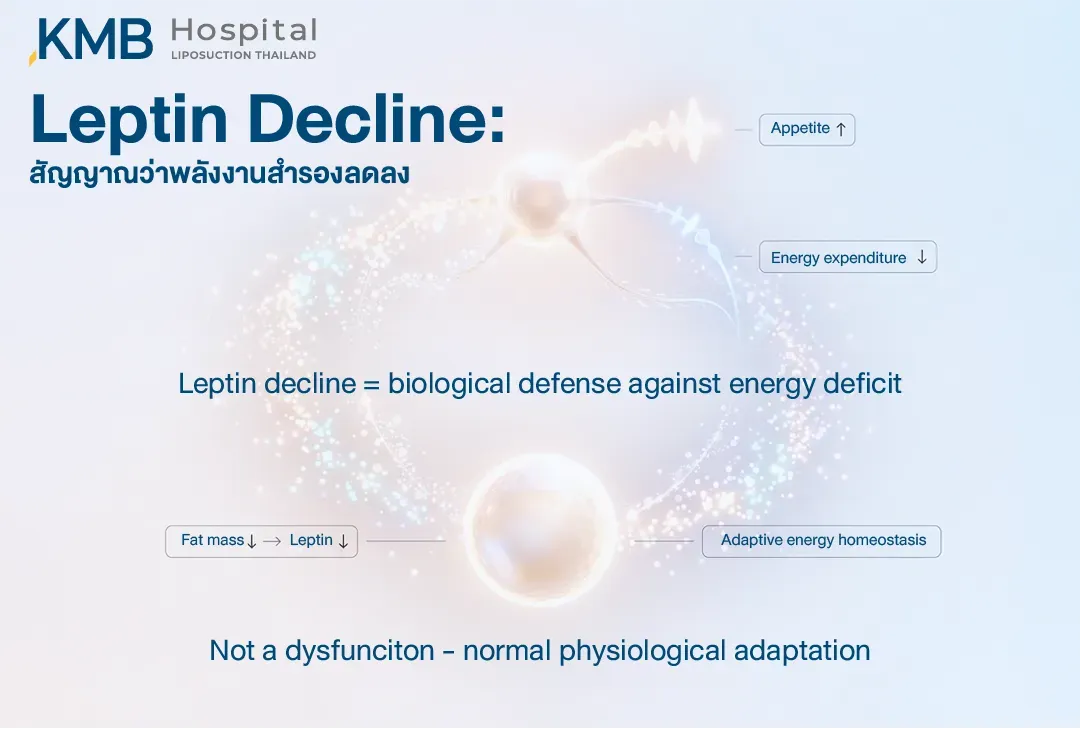
Leptin is a hormone produced by adipose tissue that signals to the hypothalamus that “energy is sufficient.”
When a calorie deficit is sustained:
- Fat mass decreases
- Circulating leptin decreases
- Hypothalamic signaling changes
- Appetite increases
- Energy expenditure decreases
This mechanism is part of energy homeostasis and functions to protect against starvation.
2️⃣ Ghrelin Increase: Drive to Eat
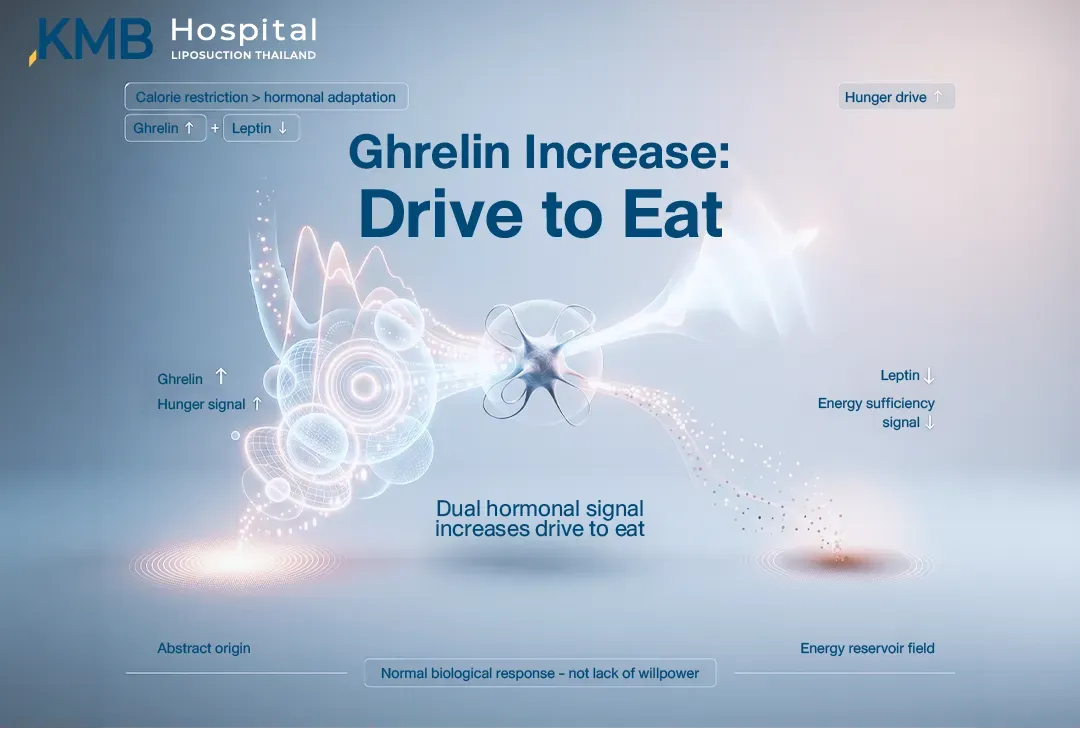
Ghrelin is a hormone produced by the stomach that is associated with hunger.
- High before meals
- Decreases after meals
During calorie restriction:
- Baseline ghrelin increases
- Meal-related suppression may decrease
- Subjective hunger increases
Thus, leptin ↓ + ghrelin ↑ form a dual signal that heightens hunger drive.
3️⃣ Adaptive Thermogenesis: The Energy-Saving System
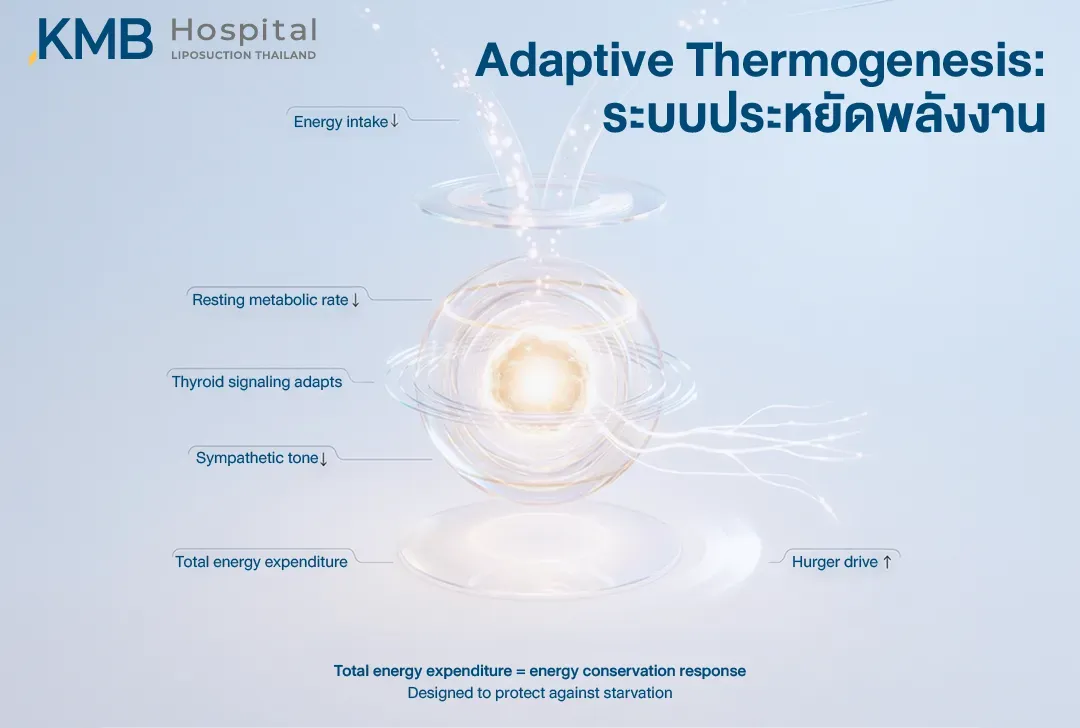
When energy intake is lower than normal:
- Resting metabolic rate decreases
- Thyroid hormone dynamics change
- Sympathetic tone is downregulated
This phenomenon is called adaptive thermogenesis.
In many cases, the increased hunger drive during weight loss is part of this mechanism.
4️⃣ Gut–Satiety Hormones: A Supporting Role
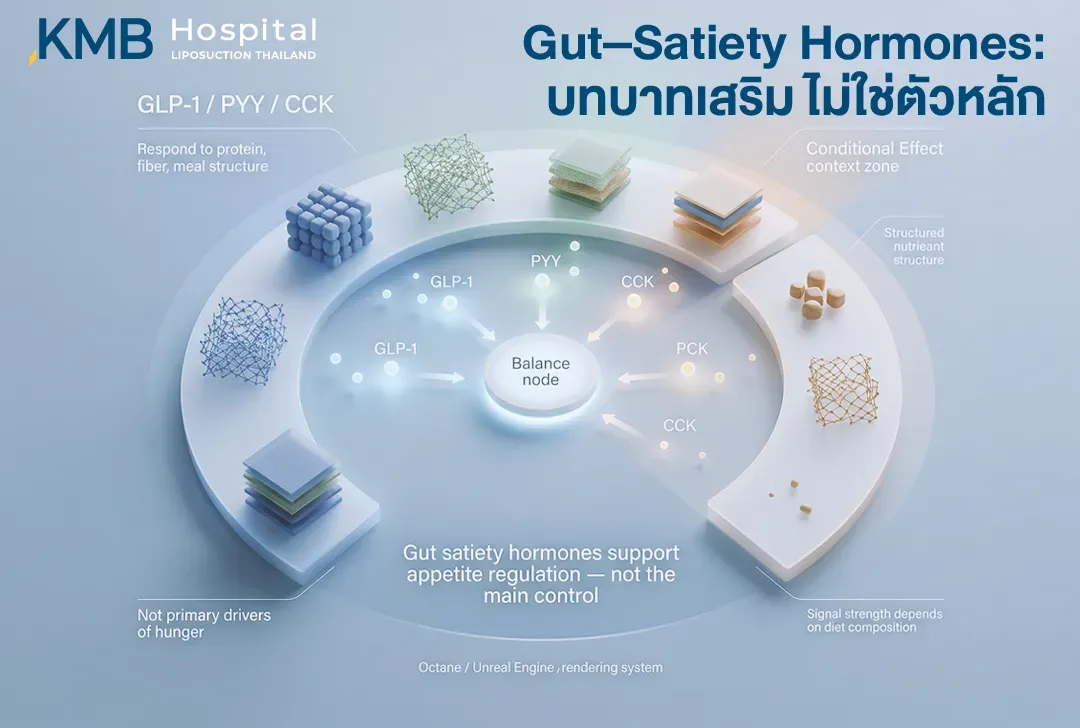
The gut secretes satiety hormones such as:
- GLP-1
- PYY
- CCK
These hormones respond to:
- Protein
- Fiber
- Meal structure
If dietary restriction leads to:
- Low protein
- Low fiber
- Meals that are too small
then post-meal satiety signaling may be insufficient.
(Related to the article SCFAs and satiety signals)
5️⃣ Microbiome: Background Modulator
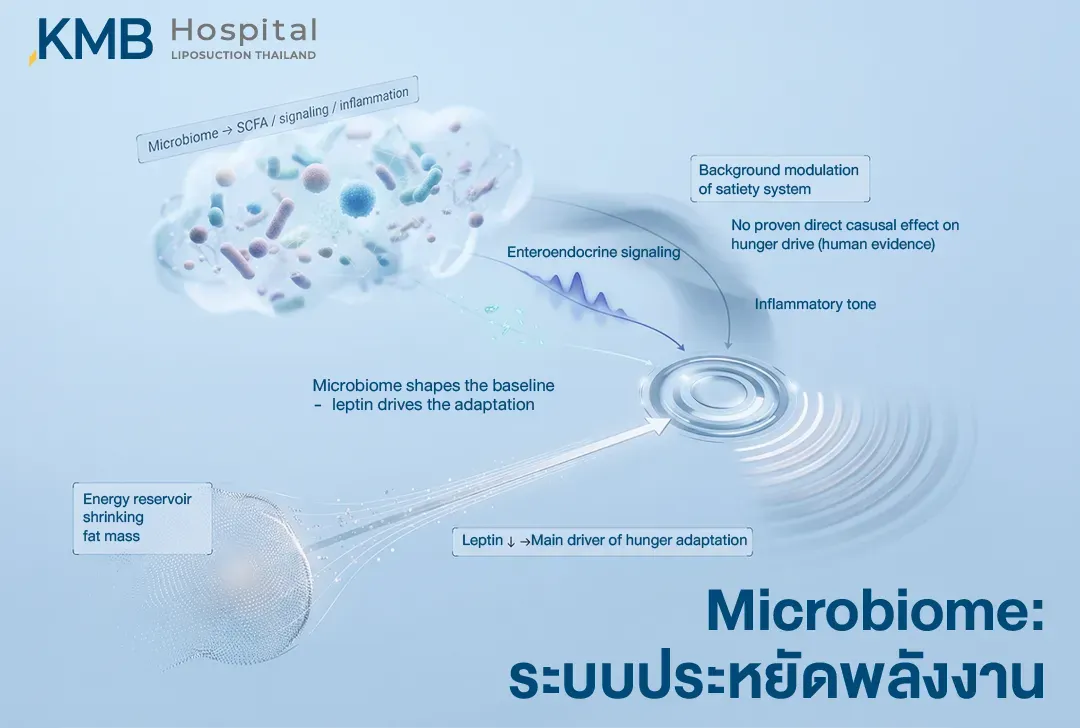
Reviews of the gut–brain axis propose that the microbiome may influence:
- SCFA production
- Enteroendocrine signaling
- Inflammatory tone
However:
- There is still no causal evidence in humans that dysbiosis directly drives hunger drive.
Therefore, the microbiome is likely a background modulator rather than a primary mechanism of hunger drive.
(See more in the article Dysbiosis and frequent hunger)
6️⃣ Leptin Resistance vs Leptin Decline
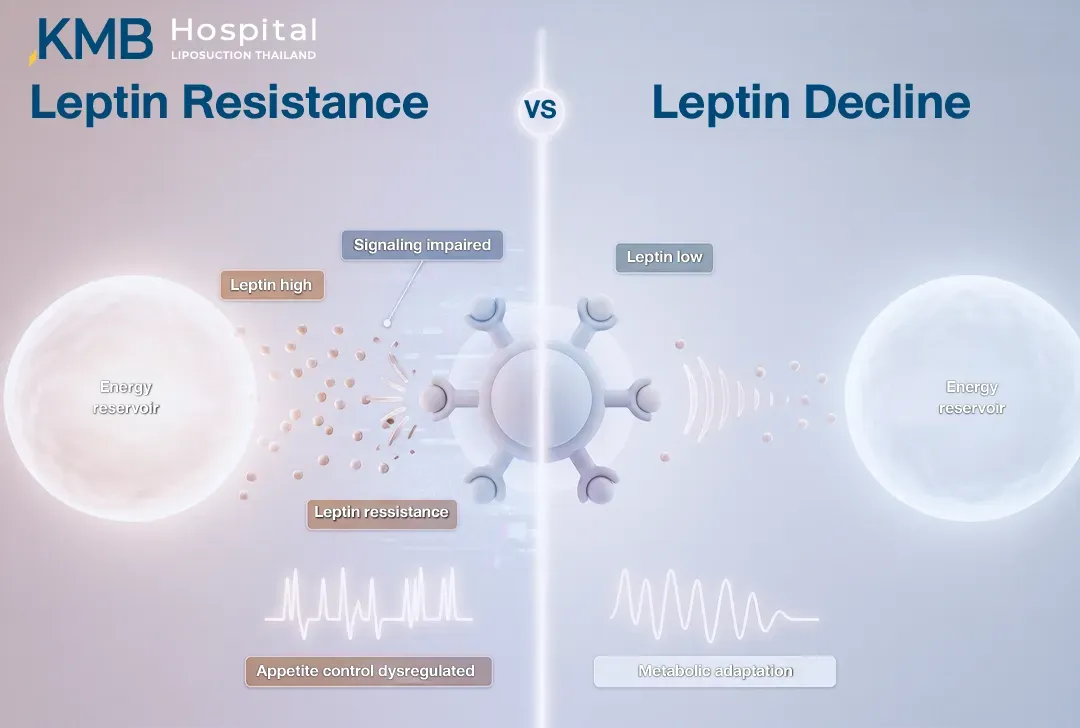
Leptin resistance
- Found in high adiposity
- Leptin is high but signaling is impaired
- Appetite control is abnormal
Leptin decline during dieting
- Fat mass decreases
- Leptin genuinely drops
- Hunger increases in an adaptive way
These two conditions should not be used interchangeably.
7️⃣ Why Some People Are Hungrier Than Others
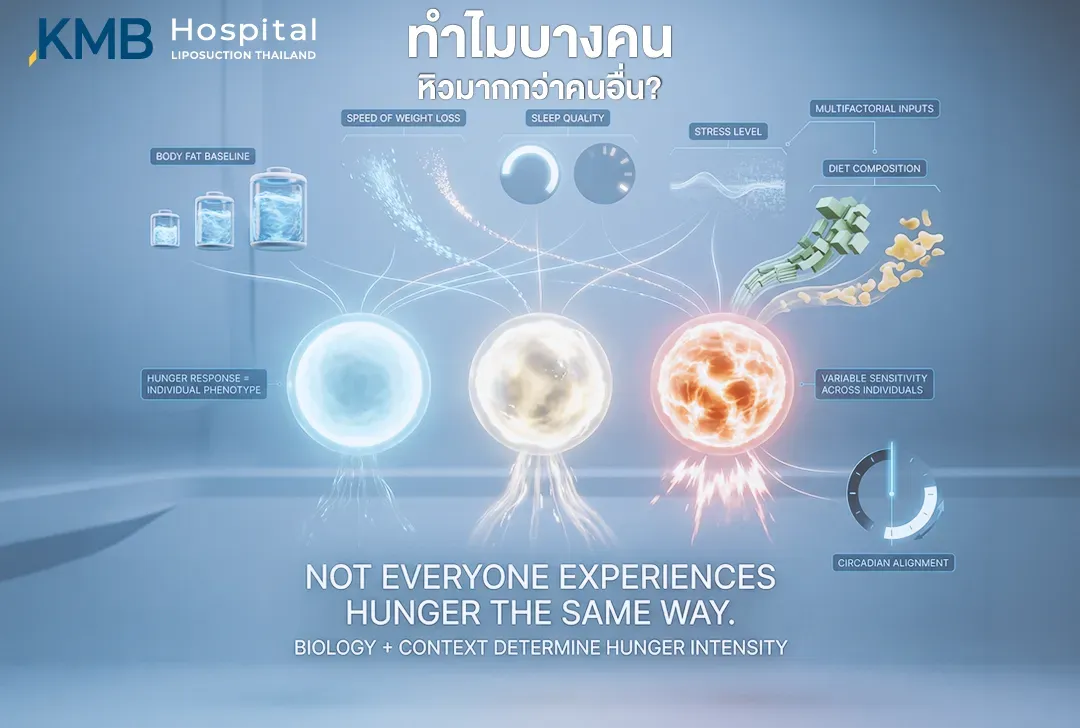
The hunger response is an individual-specific phenotype.
- Baseline body fat
- Speed of weight loss
- Sleep
- Stress
- Diet composition
- Circadian alignment
8️⃣ True Hunger vs Reward-Driven Eating
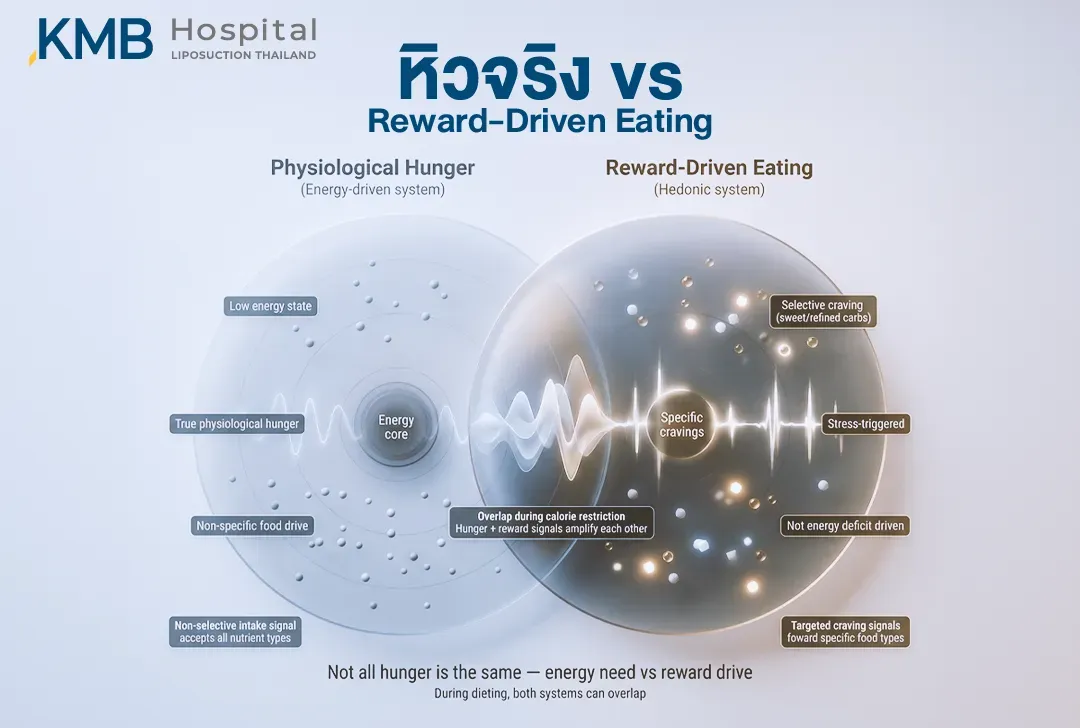
Physiological hunger
- Stomach growling
- Low energy
- Willing to eat anything
Reward-driven eating
- Craving specifically sweets/carbs
- Occurs during stress
- Not genuine hunger
(See more in the article True hunger vs craving)
FAQ
Why am I hungrier than before when cutting calories?
Because leptin decreases and ghrelin increases, which is the body's adaptive biological response.
Is this leptin resistance?
Not necessarily. If you are losing weight, it may be a normal leptin decline.
Does the gut make you hungry?
There is still no causal evidence that the microbiome directly drives hunger drive.
What is adaptive thermogenesis?
It is when the body reduces its energy expenditure in response to a calorie deficit.
Key Takeaway
Being hungry all day while cutting calories usually results from:
- Leptin reduction
- Ghrelin increase
- Adaptive thermogenesis
- Reward system sensitivity
The microbiome may play a background role, but it is not the primary mechanism of hunger drive during calorie restriction.
Hospital Authority
Written by: Medical Content Team, KMB Hospital
Reviewed by: Clinical Governance Committee, KMB Hospital
Published: 24 March 2026
Last updated: 24 March 2026