
How Exercise Intensity Affects Cortisol Balance
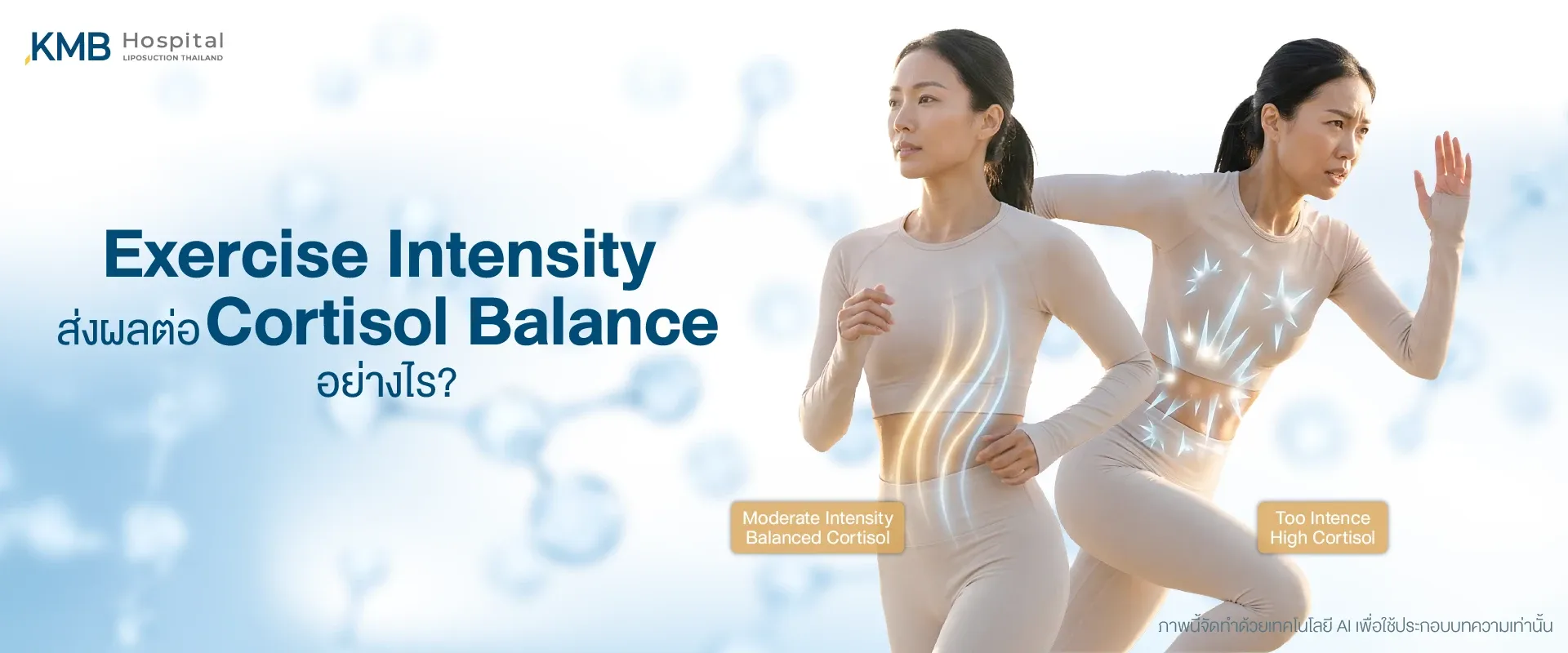
Exercise Intensity and Cortisol Balance
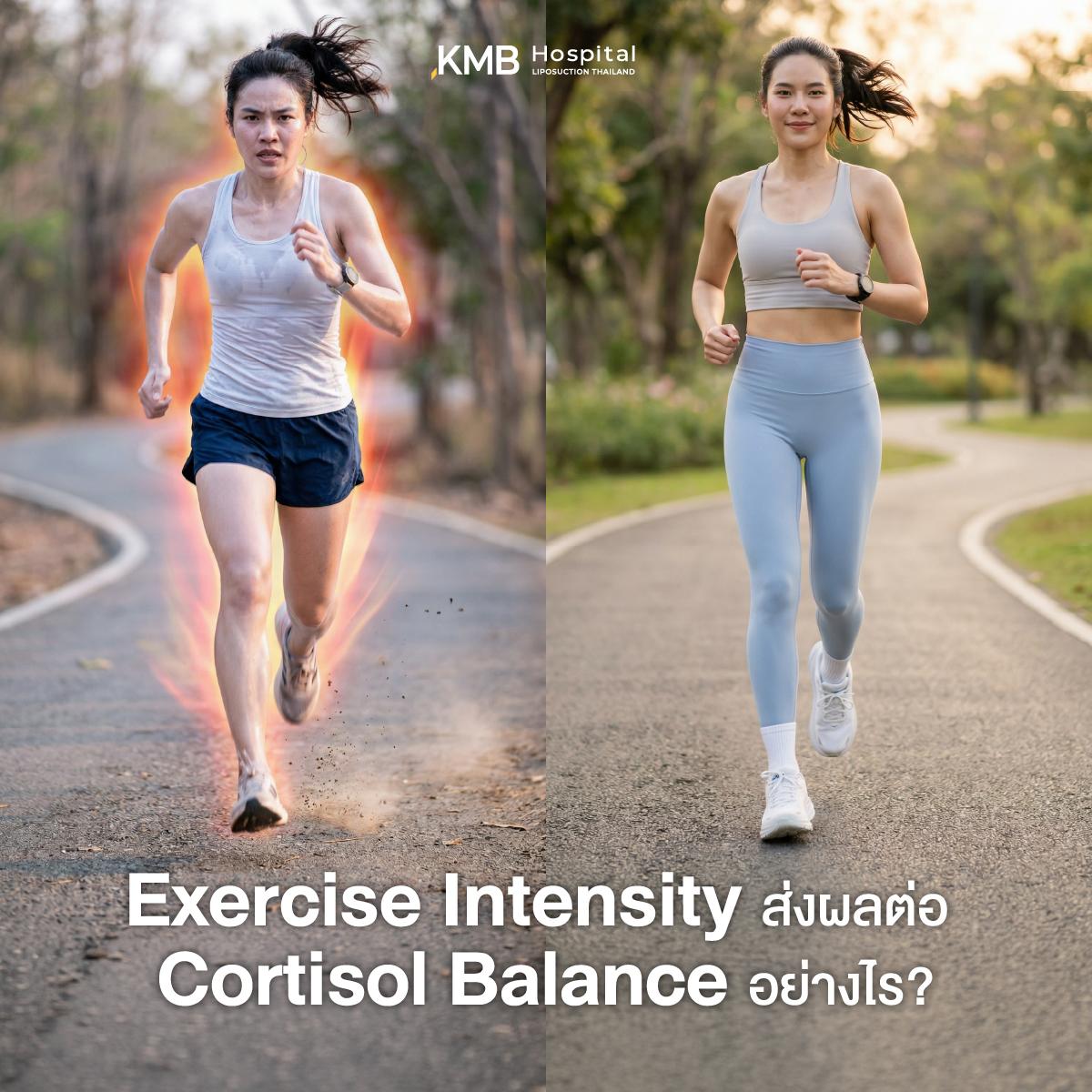
Exercise is a physiological stressor,
and cortisol is the principal hormone of the HPA axis that responds to this stress.
The key question is:
which level of exercise intensity supports hormonal balance, and which may add more stress load than necessary?
1️⃣ Cortisol During Exercise
Cortisol plays a role in:
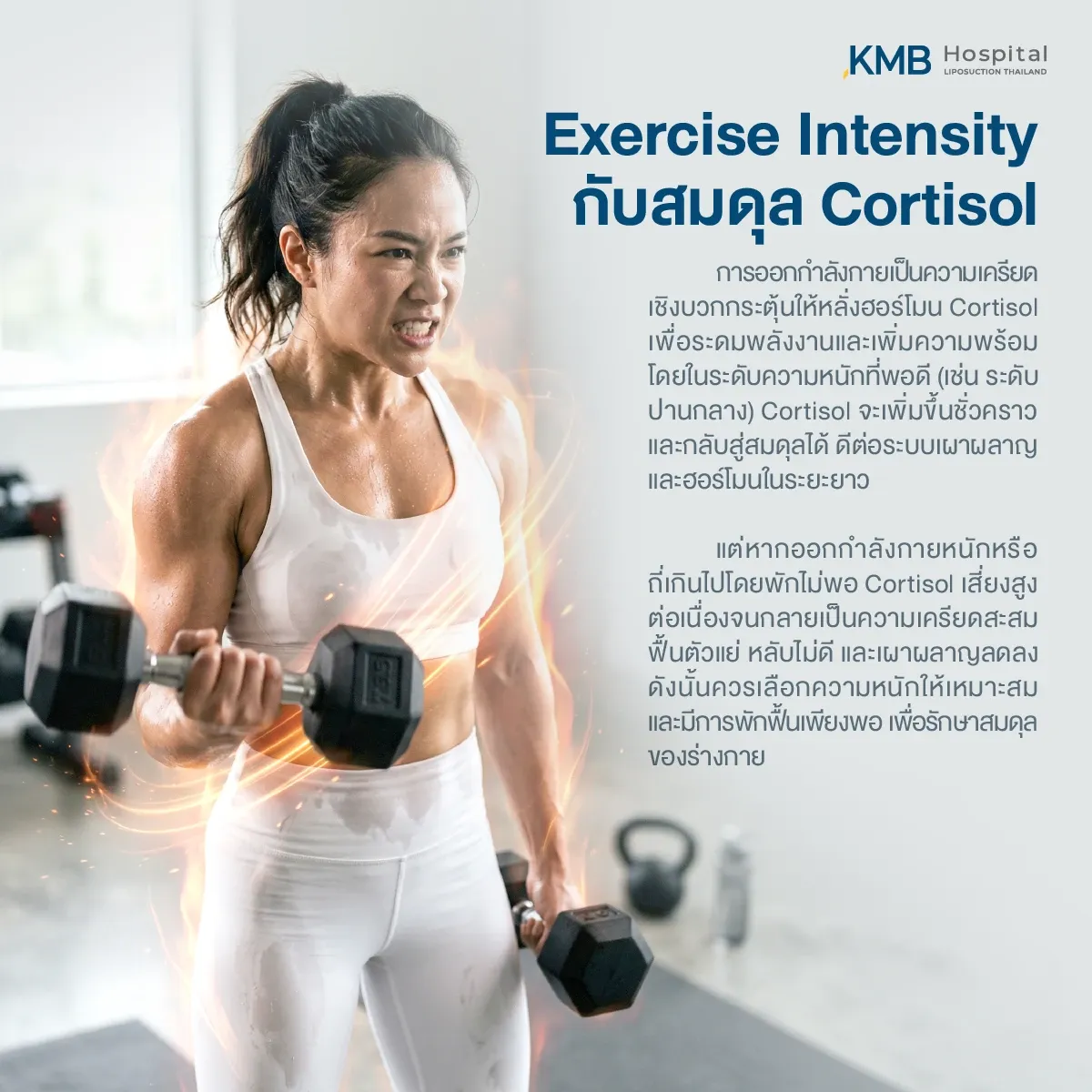
- Gluconeogenesis
- Lipolysis
- Maintenance of blood pressure
The acute rise in cortisol during exercise
is an adaptive response that supports energy availability.
2️⃣ Moderate Intensity — Adaptive Cortisol Response
Moderate-intensity exercise:
- Temporarily raises cortisol
- Returns to baseline within a few hours
- Supports HPA axis flexibility
Some research shows that regular moderate exercise
is associated with improved stress resilience and metabolic control.
3️⃣ High Intensity and Overtraining
Very high exercise intensity, or high volume combined with insufficient recovery,
may be associated with:
- Elevated basal cortisol
- HPA axis dysregulation
- Sleep disturbance
In some contexts one may also see:
- Increased fatigue
- Reduced performance
- Immune perturbation
4️⃣ Cortisol × Insulin × Fat Distribution
Chronic hypercortisolemia
is associated with:
- Insulin resistance
- Visceral adiposity
- Altered appetite regulation
However, the acute cortisol elevation from exercise
differs from chronic psychosocial stress.
Duration and frequency are key variables.
5️⃣ Dose–Response Framework
The evidence supports a dose–response concept:
- Low intensity → minimal adaptation
- Moderate intensity → optimal metabolic benefit
- Excessive intensity + poor recovery → increased stress load
Individual variability plays a major role,
depending on sleep, energy availability, and psychological stress.
Clinical Interpretation
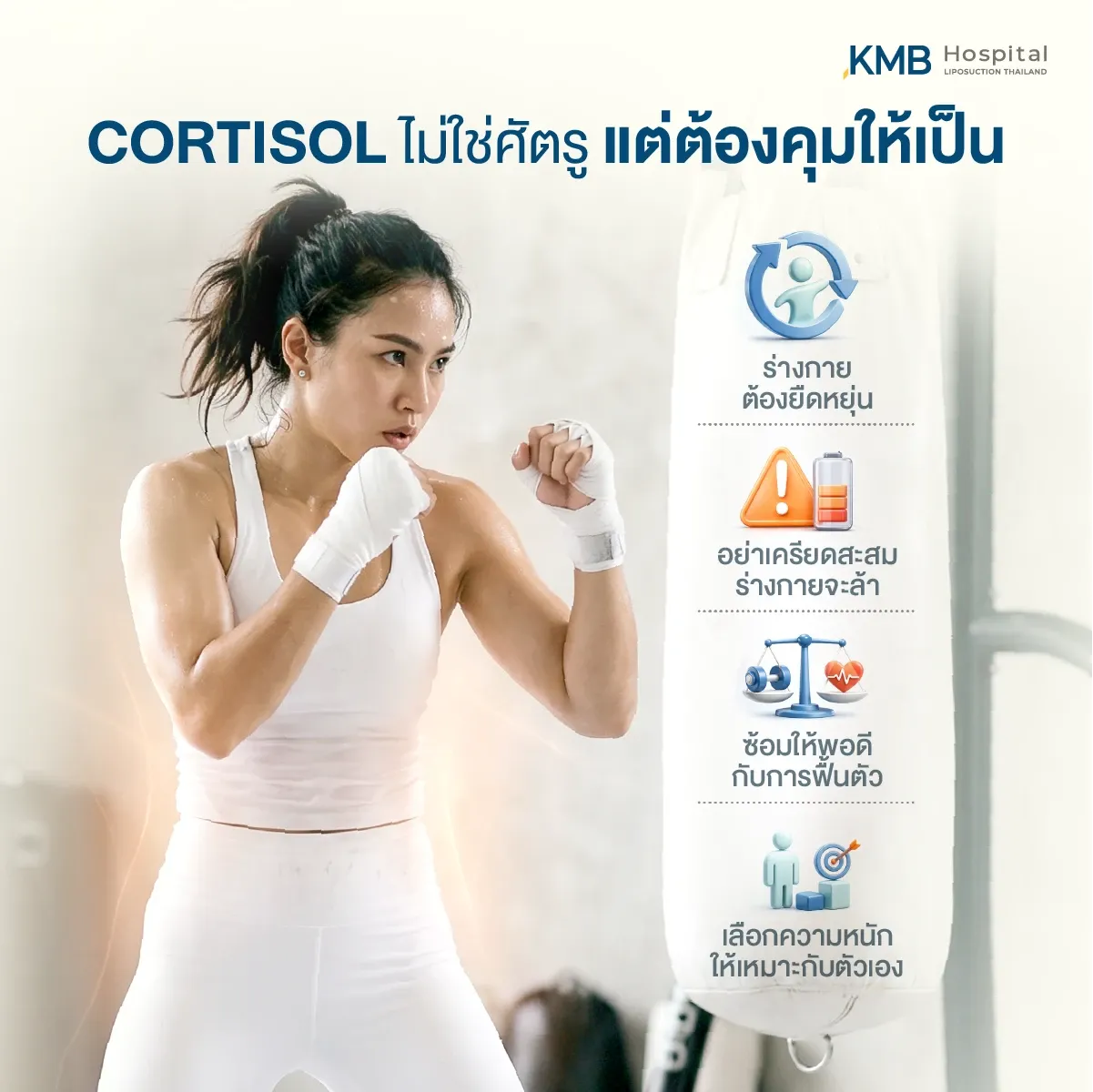
Cortisol is not “a hormone that must be kept as low as possible.”
The goals are to:
- Preserve HPA flexibility
- Avoid chronic elevation
- Match training load with recovery capacity
Exercise intensity should be designed around the context of the body's systems, not around trends.
Frequently Asked Questions (FAQ)
1️⃣ Does intense exercise really cause belly fat because of cortisol?
Cortisol from acute exercise
is not the same as chronically high cortisol from ongoing stress.
Problems may arise when:
- Training is too intense
- Recovery is inadequate
- Sleep is insufficient
- Energy is inadequate
Context matters more than intensity alone.
2️⃣ Which stimulates cortisol more — cardio or HIIT?
In general, HIIT and high-intensity training
stimulate cortisol more than moderate steady-state exercise.
But the increase is a temporary adaptive response,
and with sufficient recovery it usually poses no problem.
3️⃣ Should I avoid exercising when I am very stressed?
If you are in a state of:
- Insufficient sleep
- High stress
- Fatigue
Intense training may add to the body's total stress load.
In this context, light-to-moderate movement
is usually more appropriate.
4️⃣ Does high cortisol really worsen insulin?
Chronically high cortisol
is associated with insulin resistance and visceral fat accumulation.
But the short-term cortisol rise from exercise
is not the same as chronic hypercortisolemia.
5️⃣ How do I know if I am exercising too hard?
Signs to watch for:
- Worsening sleep
- Higher resting HR
- Accumulating fatigue
- Declining performance
- Mood swings
These may reflect HPA axis overload.
6️⃣ How many days per week should I exercise for hormonal balance?
General recommendations:
- Moderate intensity 3–5 days/week
- Resistance training 2–3 days
- Include a recovery day
Recovery quality is as important as training volume.
7️⃣ Can intense training help reduce stress?
Regular exercise at an appropriate level
can improve HPA axis flexibility and stress resilience.
But “too much” may have the opposite effect.
Key Takeaways
- Cortisol is an adaptive stress hormone
- Moderate intensity supports HPA balance
- Overtraining may raise basal cortisol
- Acute ≠ Chronic cortisol
- Recovery is as important as training load
Hospital Authority
Written by: Medical Content Team, KMB Hospital
Reviewed by: Clinical Governance Committee, KMB Hospital
Published: 31 March 2026
Last updated: 31 March 2026
References
- Hackney AC. Stress and the neuroendocrine system: the role of exercise. Sports Med. 2020;50(1):1-14.
- Duclos M, Tabarin A. Exercise and the HPA axis. J Endocrinol Invest. 2021;44:1739-1750.
- Tsigos C, Chrousos GP. Stress physiology and metabolic regulation. Nat Rev Endocrinol. 2020;16(8):475-488.
- Meeusen R, et al. Prevention, diagnosis and treatment of overtraining syndrome. Eur J Sport Sci. 2021;21(1):1-14.
- Walsh NP, et al. Position statement: immune function and exercise. Exerc Immunol Rev. 2021;27:1-22.