
How important is the gut barrier for insulin sensitivity?

How important is the gut barrier for insulin sensitivity?
Over the past decade, our understanding of insulin resistance has expanded from the framework of “high blood sugar” toward a more complex picture that includes the roles of immune signaling and chronic low-grade inflammation.
One conceptual framework that has drawn increasing attention is intestinal barrier integrity and its relationship to metabolic regulation. This article explains the mechanisms proposed in the current literature while clearly noting the limitations of the evidence in humans.
Table of Contents
The gut barrier in the context of metabolism

The intestinal barrier is a multilayered system comprising tight junctions, the mucus layer, antimicrobial peptides, and immune surveillance components. The barrier’s function is not limited to defending against pathogens; it also regulates the passage of microbial-derived molecules into the systemic circulation.
When barrier integrity changes, microbial components such as lipopolysaccharides (LPS) may be detected at chronically low levels in certain metabolic contexts. This concept is linked to the term metabolic endotoxemia, which has been proposed to be associated with low-grade chronic inflammation-type immune activation.
However, measuring LPS in humans has technical limitations, and reported levels are highly variable, so it remains a matter of debate in the current literature.
From immune activation to insulin signaling
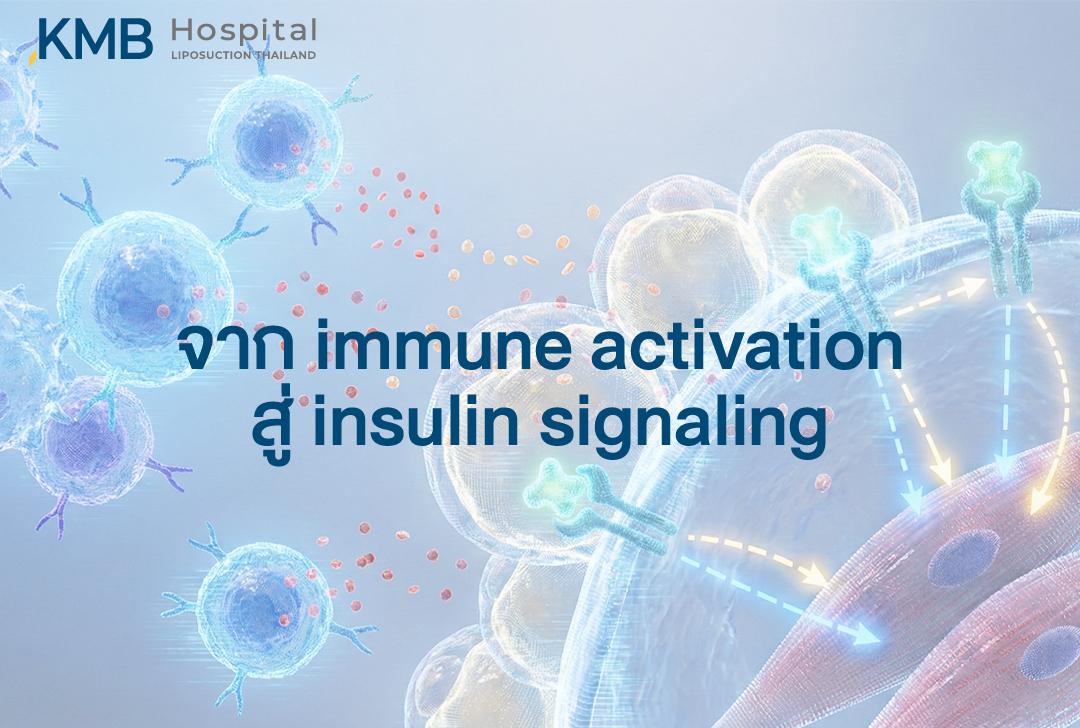
Microbial fragments may stimulate innate immune receptors such as the TLR4 pathway, resulting in an increase in cytokines such as TNF-α and IL-6 in experimental and translational models. These cytokines have been shown to be able to interfere with the insulin receptor substrate (IRS) signaling cascade.
Proposed mechanisms include serine phosphorylation of IRS, reduced PI3K–Akt signaling, and altered glucose transporter activity. However, causal evidence in humans remains limited, and much of the research is correlational rather than a direct demonstration of the pathway.
Low-grade inflammation and metabolic phenotypes
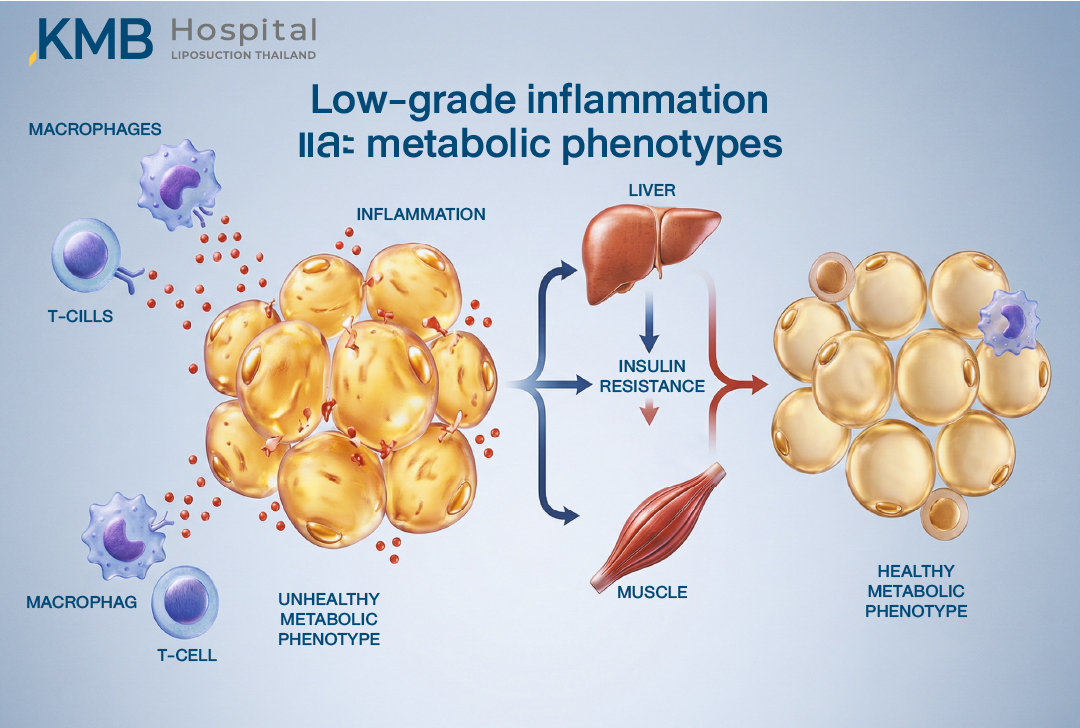
Chronic low-grade inflammation is a feature found in metabolic syndrome and obesity. Adipose tissue itself is also a source of inflammatory mediators. Therefore, the inflammation associated with insulin resistance results from multiple sources, not the gut alone.
Associations have been reported between markers of intestinal permeability, inflammatory biomarkers, and indices of insulin resistance such as HOMA-IR. However, the results show high heterogeneity across different populations, and there is still no clinical consensus using a permeability marker as a diagnostic standard.
Overlapping systems: not a straight line

Insulin resistance is a multifactorial condition that involves adipose tissue inflammation, ectopic fat accumulation, mitochondrial dysfunction, sleep disruption, and stress physiology.
The gut barrier is only one component of the immune-metabolic interaction network, so one should not conclude that increased permeability = insulin resistance. Instead, it should be viewed as part of a feedback loop between immune signaling and metabolic regulation.
Limitation Statement
Much of the evidence comes from mechanistic and observational studies. The measurement of LPS and permeability biomarkers still lacks a single standard. Human interventional trials that prove the causal chain remain limited, and in most people insulin resistance is associated with multiple contributing factors, such as genetics, diet, sleep, and adipose tissue composition.
Key Takeaway
However, in certain contexts, changes in barrier integrity and immune activation may be associated with insulin sensitivity through immune-metabolic interaction. Interpretation should remain within a systems framework, not a single-cause narrative.
Frequently Asked Questions
Can the gut barrier directly cause insulin resistance?
There is as yet no evidence confirming it as a single direct cause, but it has been proposed as one component within the immune-metabolic network.
Is metabolic endotoxemia clearly proven in humans?
Measuring LPS in humans has limitations and high variability, so it remains a matter of debate in research.
Should permeability markers be tested in the clinic?
At present there is no consensus guideline using permeability markers as a diagnostic standard for assessing insulin resistance.
References
- Neurath MF. Intestinal barrier integrity and systemic disease. Lancet Gastroenterol Hepatol. 2024.
- Portincasa P, et al. Gut barrier dysfunction in metabolic disorders. Biomedicines. 2021.
- Chen X. Re-evaluating metabolic endotoxemia. Am J Physiol Endocrinol Metab. 2025.
- Peña-Durán P, et al. Microbiota-derived inflammation and metabolic dysregulation. Int J Mol Sci. 2025.
Hospital Authority
KMB Hospital emphasizes fair, time-appropriate evaluation of outcomes following liposuction programs, for care that is safe, reassuring, and respectful of the patient’s body.
Content Information
Written by: Medical Content Team, KMB Hospital
Reviewed by: Clinical Governance Committee, KMB Hospital
Published: 2 March 2026
Last updated: 2 March 2026