
Insulin Resistance: A Common Misconception — It's Not Just High Blood Sugar
Insulin Resistance: A Common Misconception — It's Not Just High Blood Sugar
The term “insulin resistance” is often understood as simply a state of high blood sugar.
Physiologically, however, insulin resistance is a disruption of signaling at the cellular level (insulin signaling dysfunction) rather than merely a problem with glucose numbers.
In many cases, particularly in the early stages of metabolic dysfunction, glucose levels may still be normal while insulin levels are already elevated (compensatory hyperinsulinemia).
For this reason, assessing risk by looking at glucose alone may not reflect the full picture of metabolic dysfunction.
Table of Contents
1️⃣ How insulin signaling works
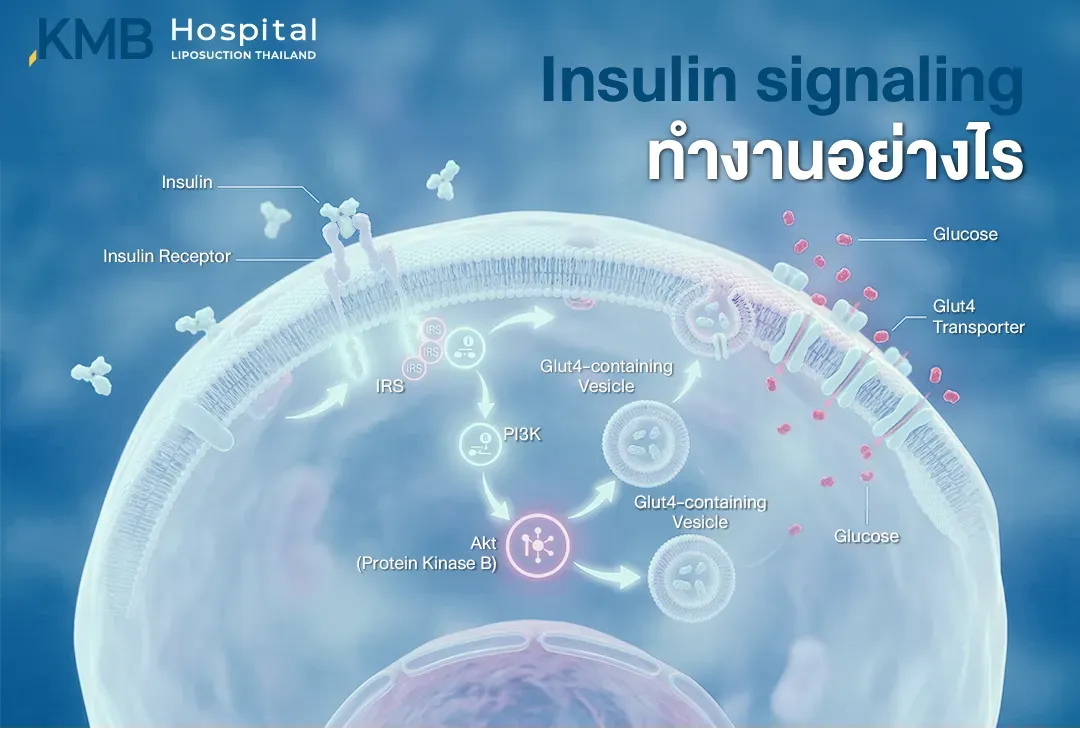
When glucose levels rise:
- Insulin binds to the insulin receptor
- This activates IRS (insulin receptor substrate)
- Which activates the PI3K–Akt pathway
- GLUT4 moves to the cell surface
- Glucose is taken into the cell
Insulin resistance arises from disruption of this signaling cascade, particularly at the level of post-receptor signaling.
2️⃣ Hyperinsulinemia comes before hyperglycemia
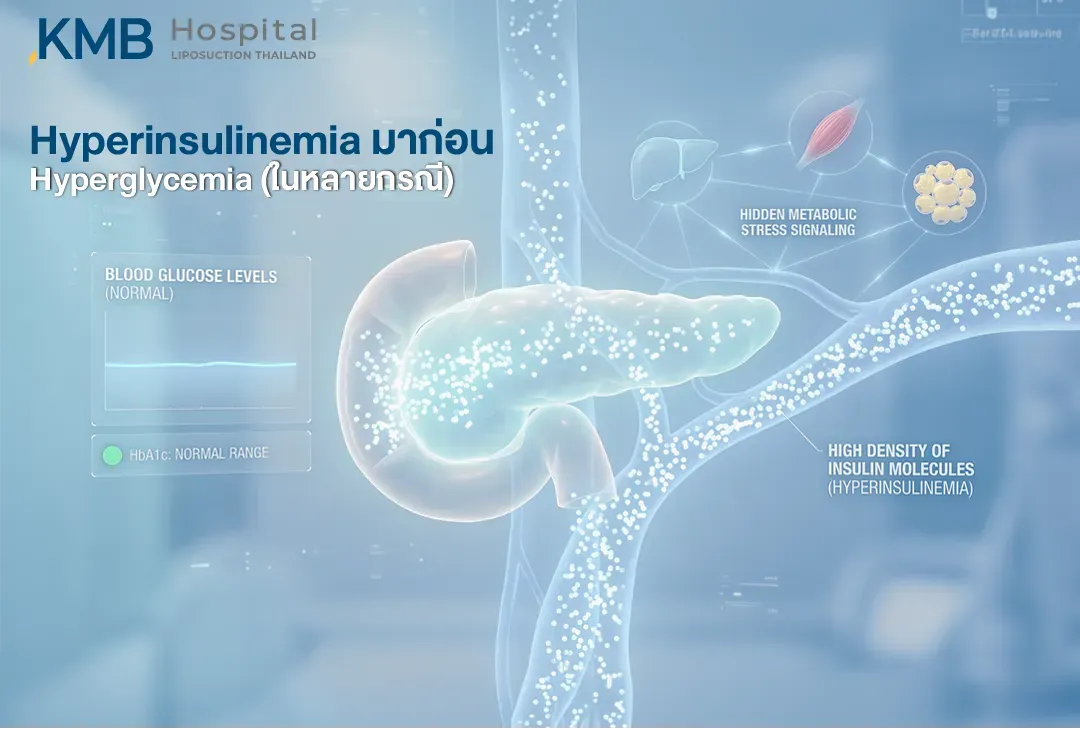
In many cases of early metabolic dysfunction, the body compensates by secreting more insulin before fasting glucose becomes abnormal.
This means that:
- A normal HbA1c ≠ normal insulin sensitivity
- A normal fasting glucose ≠ a normal metabolic system
This is the point that many people misunderstand about insulin resistance.
3️⃣ Low-grade inflammation and Insulin Resistance
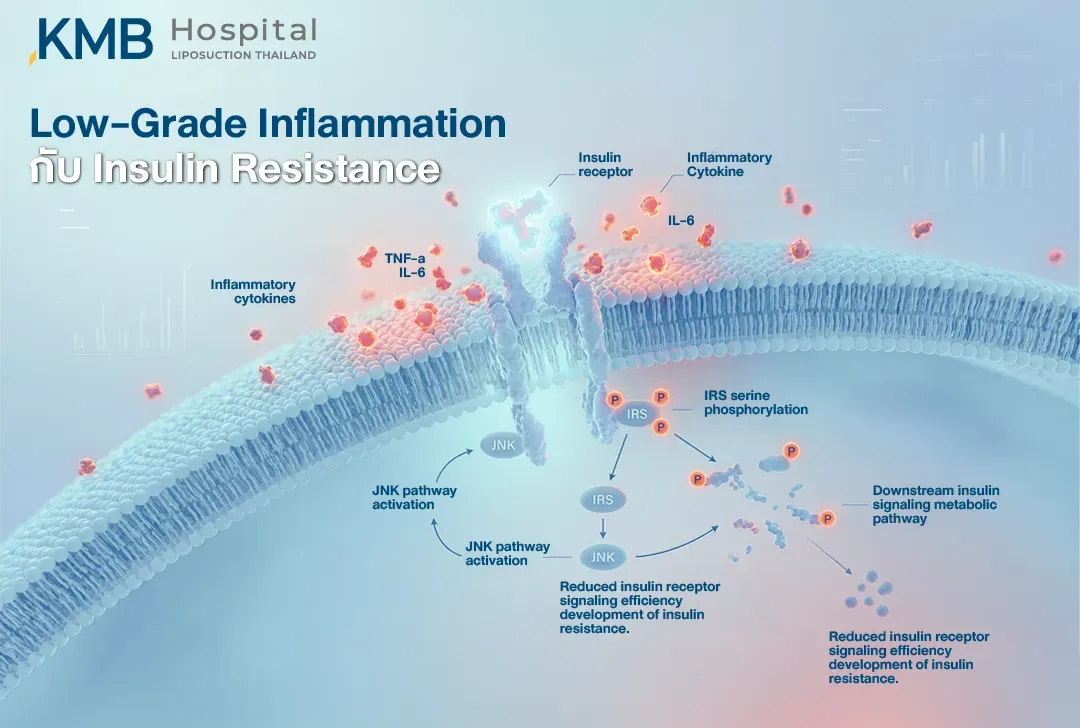
Research in immunometabolism indicates that low-grade inflammation may disrupt insulin signaling.
Mechanisms identified in the research include:
- Elevated TNF-α and IL-6
- Activation of the JNK pathway
- Serine phosphorylation of IRS
- Reduced efficiency of insulin receptor signaling
The role of low-grade inflammation is explained further in the article Low-grade inflammation and the hormonal system
4️⃣ How the Gut Microbiome is involved
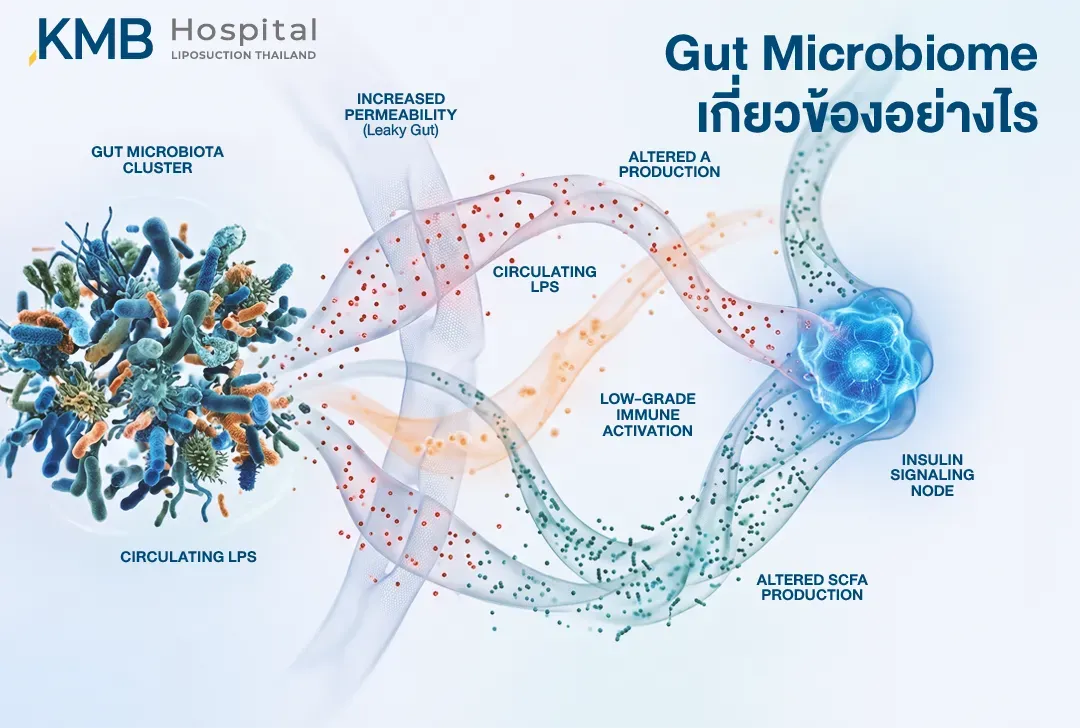
Several review articles propose that dysbiosis may be associated with:
- Increased intestinal permeability
- Circulating LPS (metabolic endotoxemia)
- Low-grade immune activation
- Altered SCFA production
These may be related to insulin sensitivity through inflammatory signaling and metabolic mediators.
This concept is related to the articles What is Dysbiosis and The gut barrier and metabolic signaling
5️⃣ Why some lean people also have insulin resistance
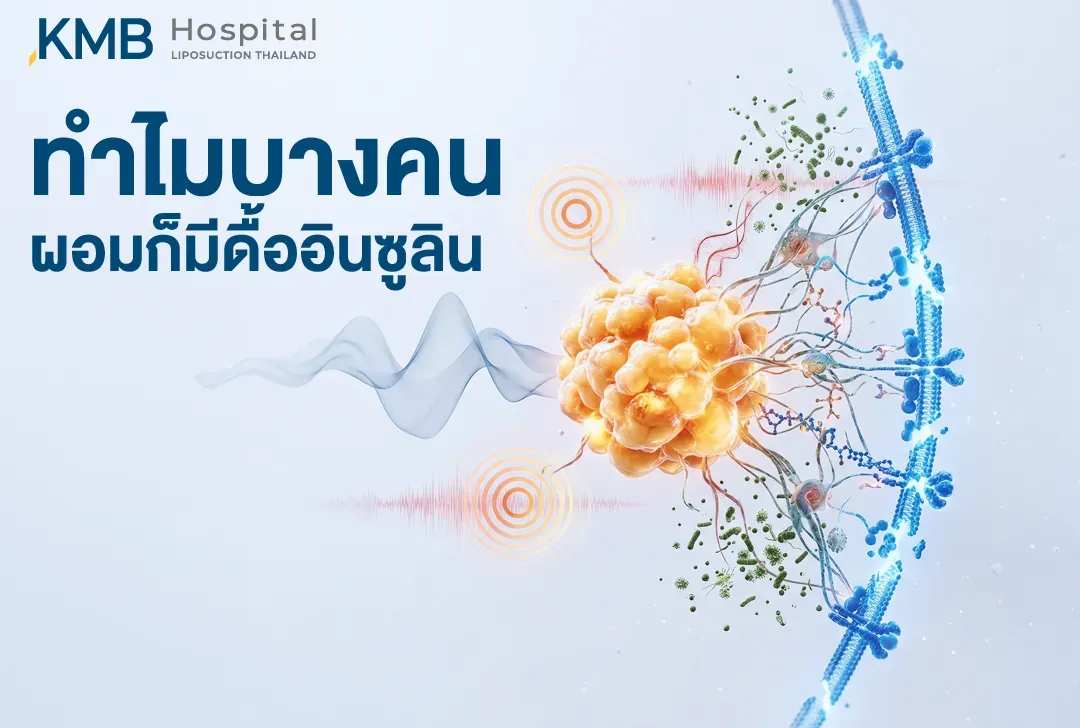
Insulin resistance does not depend on BMI alone.
Related factors include:
- Visceral adiposity
- Sleep restriction
- Circadian misalignment
- Chronic stress
- Microbiome variability
The role of circadian rhythm in metabolism is explained in the article Circadian Rhythm, the gut, and hormones
6️⃣ Insulin Resistance is a network condition
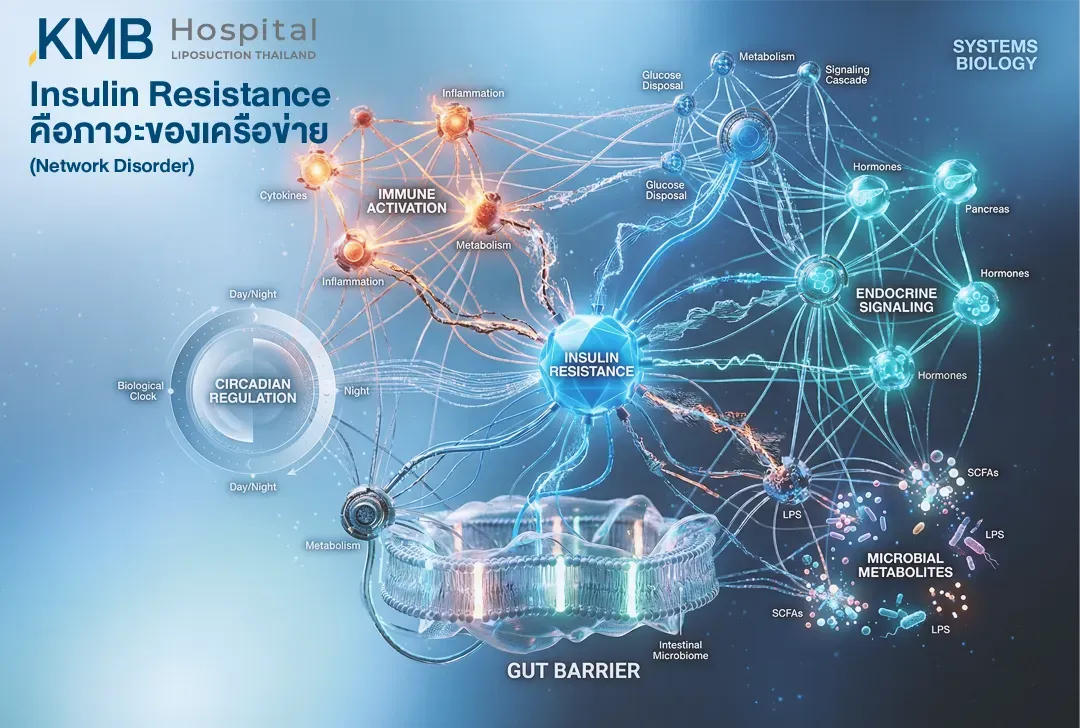
Within a systems biology framework:
- Endocrine signaling
- Immune activation
- Circadian regulation
- Gut barrier integrity
- Microbial metabolites
are all interconnected.
Insulin resistance is therefore not simply a disease of “sugar,” but a network disorder of metabolism.
This network-systems concept is explained in the article Systems Thinking in the gut–hormone axis
Limitations of the evidence
- Microbiome intervention studies show high heterogeneity
- Diet and sleep are important confounders
- Genetic susceptibility varies
- Insulin resistance has multiple phenotypes
Interpretation should therefore be cautious, avoiding causal claims.
Frequently Asked Questions (FAQ)
What is insulin resistance, in simple terms?
It is a condition in which cells respond less to insulin, forcing the body to secrete more insulin even while blood sugar can still be normal.
Why can risk exist even when a blood sugar test is normal?
Because the body may compensate with hyperinsulinemia before glucose rises.
How is the gut related to insulin sensitivity?
Through immune signaling, gut barrier integrity, and microbial metabolites, which may be associated with metabolic regulation.
References
- Samuel VT, Shulman GI. The pathogenesis of insulin resistance. Nat Rev Endocrinol. 2021. DOI: 10.1038/s41574-021-00540-7
- Petersen MC, Shulman GI. Mechanisms of insulin action and resistance. Cell Metab. 2022 review update.
- Taylor R. Insulin resistance and early hyperinsulinemia. Lancet Diabetes Endocrinol. 2020–2023 reviews.
- Hotamisligil GS. Inflammation and metabolic disorders. Nat Rev Immunol. 2020. DOI: 10.1038/s41577-019-0237-0
- Donath MY. Inflammation in metabolic disease. Trends Endocrinol Metab. 2021–2023 reviews.
Hospital Authority
KMB Hospital emphasizes fair, time-appropriate evaluation of outcomes following liposuction programs, for care that is safe, reassuring, and respectful of the patient's body.
Content Information
Written by: Medical Content Team, KMB Hospital
Reviewed by: Clinical Governance Committee, KMB Hospital
Published: 12 March 2026
Last updated: 12 March 2026