
What Is a Post-Meal Crash: Why You Feel Sleepy After Eating
Post-meal crash (feeling sleepy/drained after eating): is it related to gut–insulin?
Short answer (Answer-first): Feeling “sleepy/drained after eating” usually stems from glucose–insulin variability + a shift in the autonomic nervous system (rest-and-digest) and meal timing (circadian timing), rather than being caused directly by the gut or the microbiome. Overall, the microbiome acts as a background modulator rather than an “immediate trigger.”
Feeling “sleepy after eating,” or post-prandial somnolence, is common, especially after a large meal or a meal high in rapidly absorbed carbohydrates. The key questions are: is this caused by insulin alone, and does the gut play a role?
Current evidence indicates that a post-meal crash is usually linked to 3 main mechanisms:
- Glucose–insulin variability
- Autonomic nervous system shift
- Circadian timing
As for the microbiome, it may be involved at a background level through metabolic/inflammatory tone, but there is no causal evidence that it is a direct trigger of an acute crash.
Table of Contents
- Glucose–Insulin variability: the most common mechanism
- Autonomic nervous system: rest-and-digest mode
- Do incretin hormones (GLP-1, GIP) play a role
- Circadian timing: meal timing matters
- Is the Gut–Microbiome involved
- Who is more prone to crashing
- Normal crash vs when to see a doctor
- FAQ
- Key Takeaway
- References
1️⃣ Glucose–Insulin Variability: The Most Common Mechanism
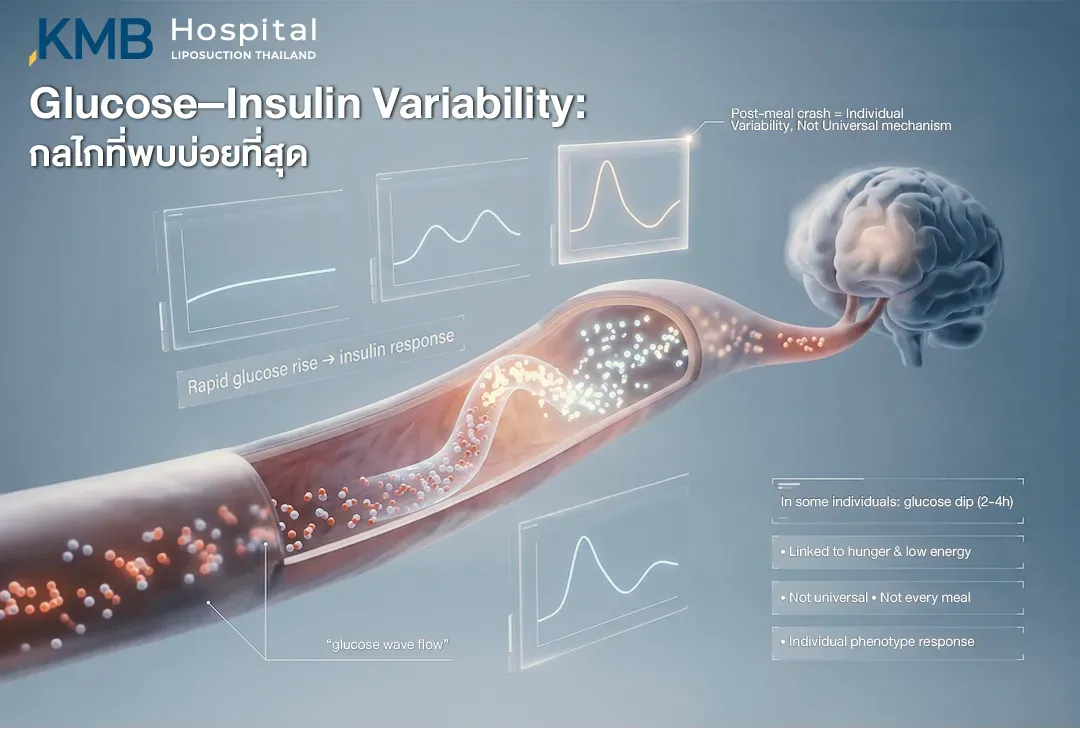
After a meal high in rapidly absorbed carbohydrates:
- Glucose rises quickly
- Insulin secretion increases
- In some people a glucose dip occurs within 2–4 hours
Human studies report that a post-meal glucose dip is associated with hunger and low energy after eating. When glucose drops quickly:
- The brain perceives an “energy drop”
- Alertness declines
- Sleepiness/mental fog/fatigue sets in
Importantly: not everyone experiences a dip, and a dip does not occur with every meal. A post-meal crash is therefore an individual phenotype (related to differences in food responses discussed in Insulin resistance: what people get wrong)
2️⃣ Autonomic Nervous System: Rest-and-Digest Mode
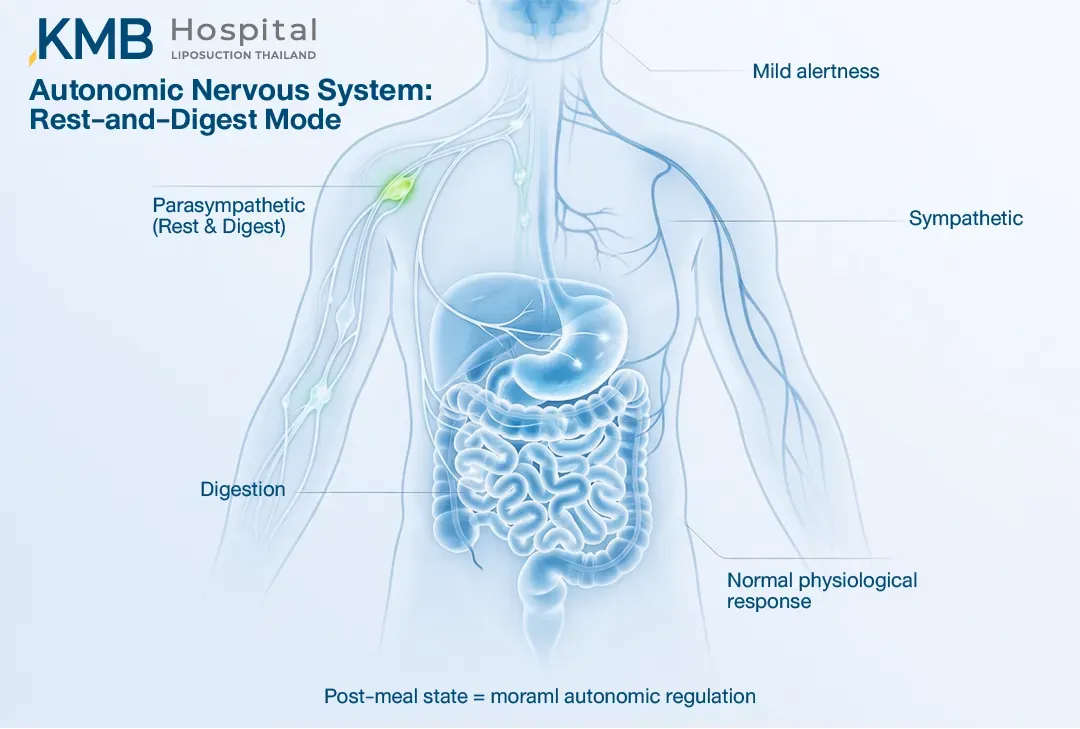
After a meal, the body often enters “rest and digest” mode
- Parasympathetic tone ↑
- Sympathetic tone ↓
The result:
- Digestion increases
- Alertness decreases slightly
- Some people feel distinctly sleepy
This is a normal physiological response, not a disease
3️⃣ Incretin Hormones: GLP-1 and GIP
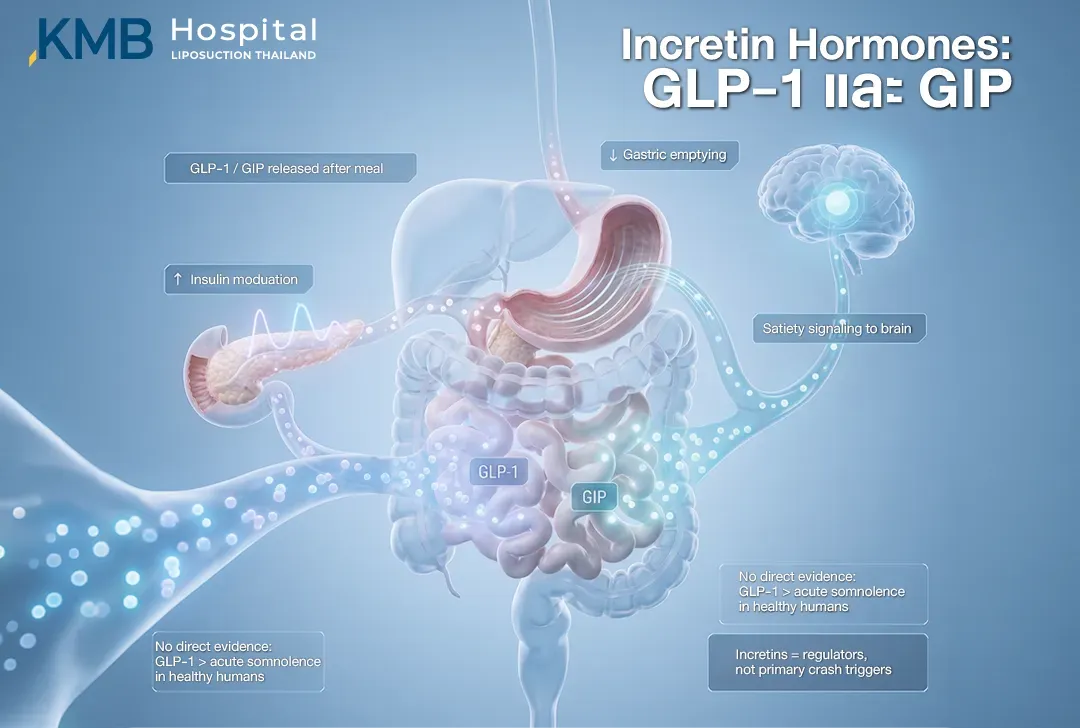
The gut secretes incretin hormones after a meal, such as GLP-1 and GIP
- They help stimulate insulin
- Slow gastric emptying
- Send satiety signals to the brain
In most evidence from healthy people, GLP-1 has not been found to directly cause somnolence. Incretins are therefore not the main trigger of an acute crash, but part of the metabolic control system (linked to SCFAs and hunger–satiety)
4️⃣ Circadian Timing: Meal Timing Matters
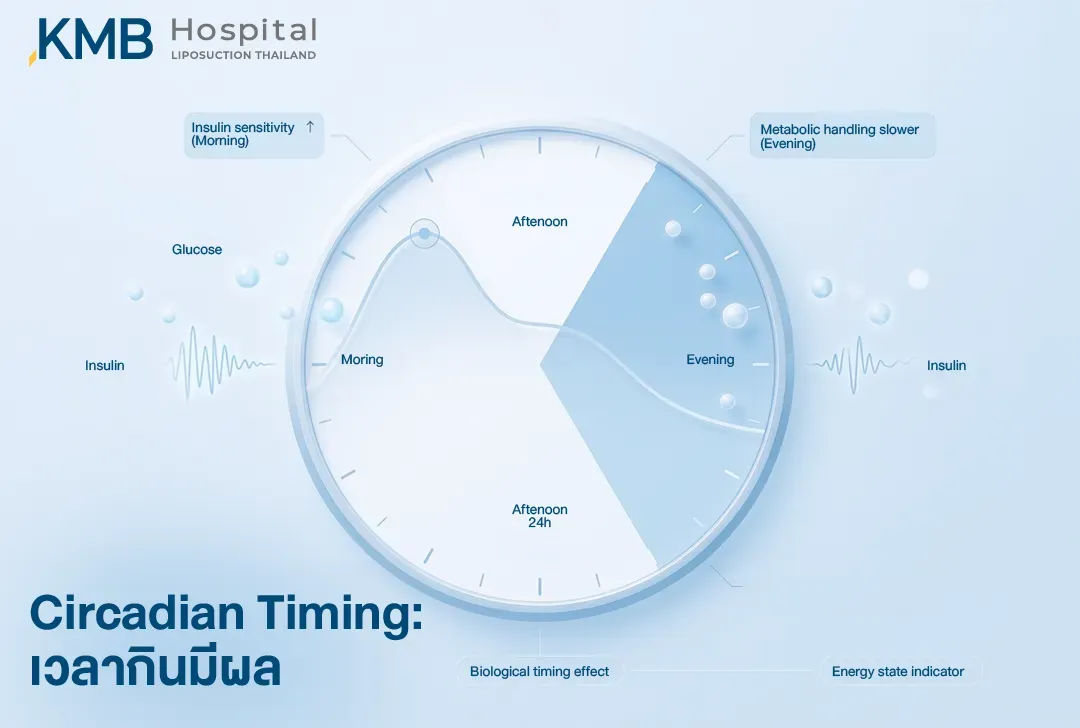
Insulin sensitivity and glucose tolerance vary with the time of day
- In the morning, insulin sensitivity is generally higher
- In the afternoon/evening, metabolic handling slows down
Eating during a “circadian low” (for example, a large meal very late in the afternoon or at night) may cause:
- Less accurate post-meal glucose handling
- More pronounced sleepiness
This is a biological timing effect, not an abnormality (see the overview in Circadian rhythm: the body clock linking the gut and hormones)
5️⃣ So Is the Gut–Microbiome Involved?
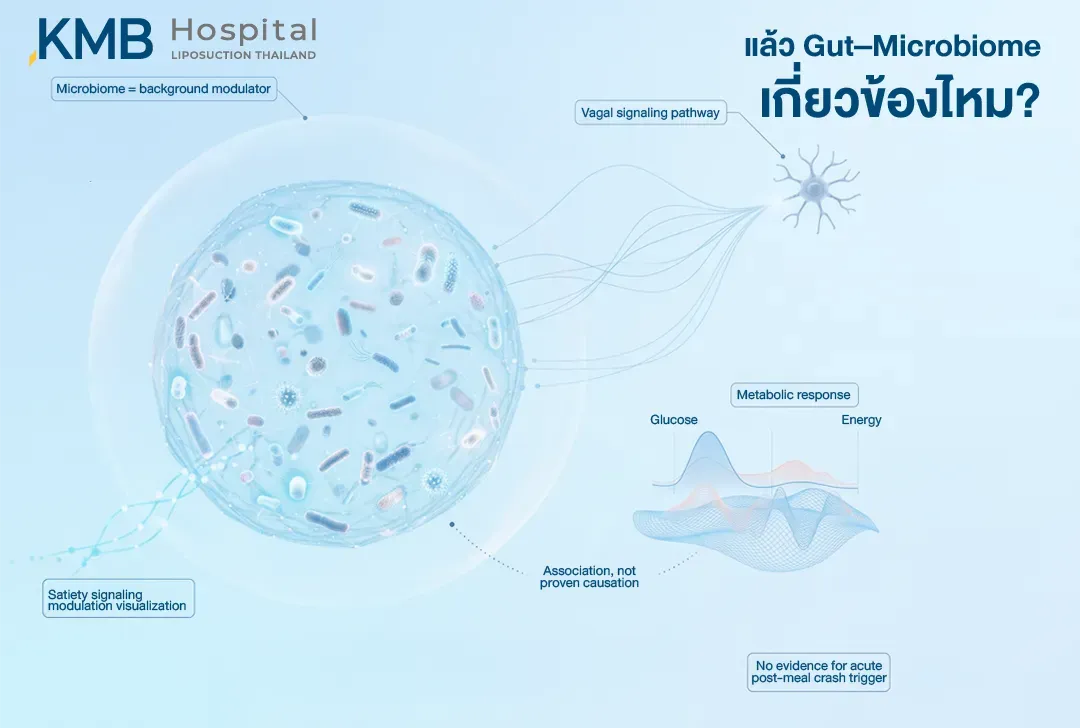
The question is “does the gut make you sleepy after eating?”
Current evidence:
- There is still no human research confirming that the microbiome causes an immediate post-meal crash
- However, dysbiosis may be related to metabolic flexibility and inflammatory tone
Gut–brain axis reviews propose that the microbiome may adjust the baseline of:
- Inflammatory state
- Vagal signaling
- Satiety signaling
Therefore, the medically safe framing is: The microbiome is a background modulator, not the main trigger of an acute crash (linked to Dysbiosis and frequent hunger)
6️⃣ Who Is More Prone to Crashing?
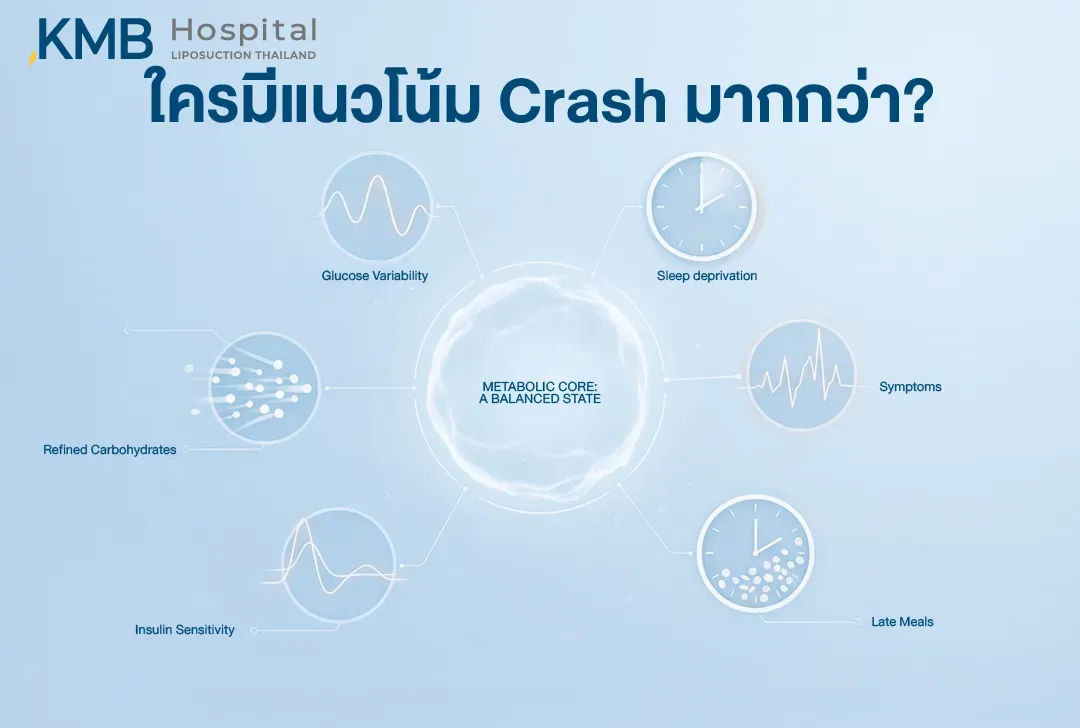
- People with high glucose variability
- People who sleep too little
- People who eat refined carbs on their own (e.g., sweets/plain starch)
- People with reduced insulin sensitivity
- People who eat large meals in the afternoon/evening
In some cases where symptoms are severe (e.g., palpitations, heavy sweating, trembling hands), evaluation for reactive hypoglycemia should be considered
7️⃣ Normal Crash vs When to See a Doctor
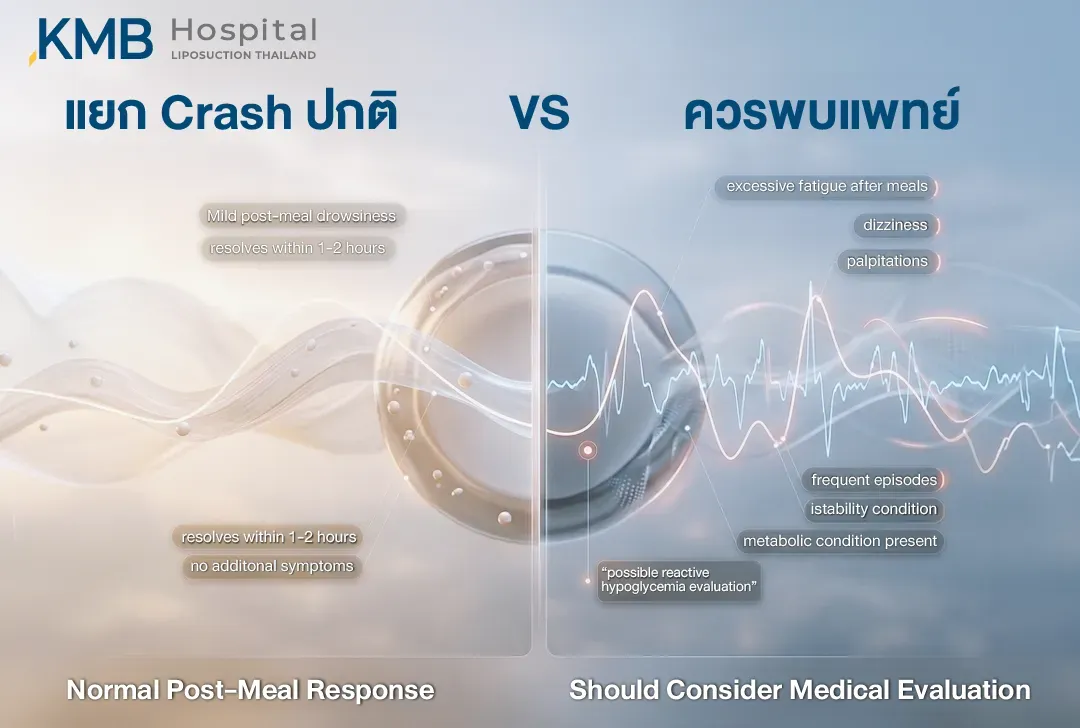
Usually “normal”
- Mild sleepiness after a large meal
- Resolves within 1–2 hours
- No other accompanying symptoms
Warrants further evaluation
- Unusually severe sleepiness/fatigue that prevents continuing work
- Dizziness, palpitations, sweating, trembling hands
- Occurs frequently or with almost every meal
- Presence of metabolic disease or risk factors (e.g., prediabetes/diabetes)
FAQ (AEO Optimized)
Q1: Why do I feel sleepy after eating?
It is usually related to glucose variability and an autonomic shift after eating, especially if the meal contains rapidly absorbed carbs or is very large
Q2: Is a post-meal crash a disease?
Most of the time it is not; it is a normal physiological response, unless the symptoms are severe or unusually frequent
Q3: Does the gut make you sleepy after eating?
There is still no causal evidence in humans confirming that the microbiome is a main trigger of an acute crash, but the microbiome may act as a background modulator of the metabolic system
Key Takeaway
A post-meal crash is usually related to 3 main things
- Post-meal glucose–insulin dip
- Autonomic shift (rest-and-digest)
- Circadian timing and the timing of meals
The microbiome may be a “background modulator,” but there is no evidence that it is a direct trigger in humans
Hospital Authority
KMB Hospital emphasizes fair, time-appropriate assessment of outcomes after liposuction programs, for care that is safe, reassuring, and respectful of the patient's body.
Content Information
Written by: Medical Content Team, KMB Hospital
Reviewed by: Clinical Governance Committee, KMB Hospital
Published: 23 March 2026
Last updated: 23 March 2026
References
1) Zeevi D, Korem T, Zmora N, et al. Personalized Nutrition by Prediction of Glycemic Responses. Cell. 2015;163(5):1079–1094. doi:10.1016/j.cell.2015.11.001
2) Morris CJ, Yang JN, Garcia JI, et al. Endogenous circadian system and circadian misalignment impact glucose tolerance. Proc Natl Acad Sci USA. 2015;112(17):E2225–E2234. doi:10.1073/pnas.1418955112
3) St-Onge MP, Tasali E, Penev PD, Van Cauter E. Sleep and the regulation of energy balance. Ann N Y Acad Sci. 2010;1212:67–78. doi:10.1111/j.1749-6632.2010.05853.x
4) Jänig W. The Integrative Action of the Autonomic Nervous System. Cambridge University Press. 2006.
5) Cryan JF, Dinan TG. Mind-altering microorganisms: the impact of the gut microbiota on brain and behaviour. Nat Rev Neurosci. 2012;13(10):701–712. doi:10.1038/nrn3346