
Stress and a Bigger Belly: Why Does Cortisol Store Fat?
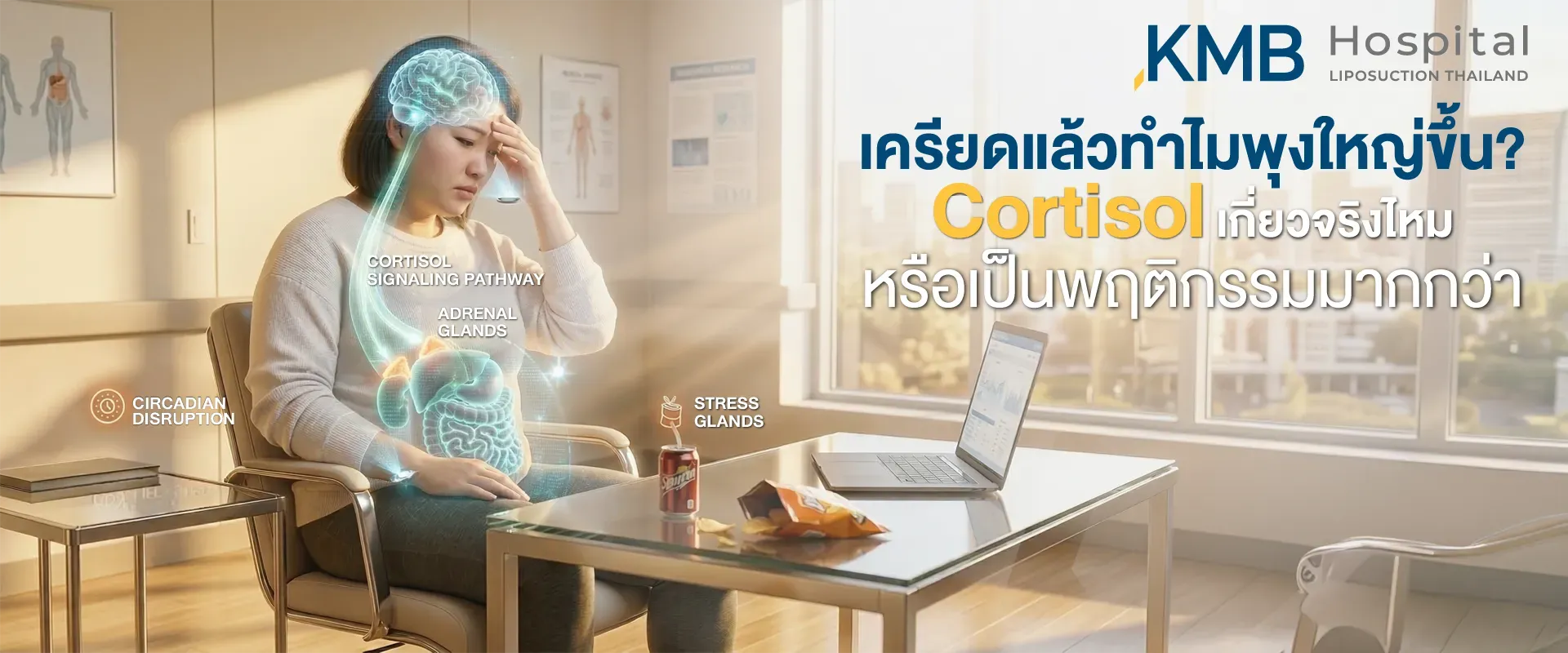
Why Does Stress Make Your Belly Bigger? Is Cortisol Really Involved, or Is It More About Behavior?
Answer-first:
Cortisol can play a role in abdominal fat accumulation when hormone levels are chronically and abnormally elevated, as in Cushing’s syndrome. However, in ordinary day-to-day stress, human evidence indicates that behavioral factors—such as stress eating, disrupted sleep timing, and circadian disruption—contribute to increased visceral fat more than a temporary rise in cortisol alone.
Table of Contents
Introduction
Many people believe that “stress = a bigger belly” and often conclude it is due to the stress hormone (cortisol). Physiologically, however, abdominal fat accumulation is the result of a multifactorial system, not any single hormone.
The key questions are:
- Does cortisol truly cause belly fat?
- Or do behavior and lifestyle rhythms play a greater role?
1️⃣ What Happens When Cortisol Is “Genuinely Abnormally High”

In Cushing’s syndrome, a state of pathological hypercortisolism, the hallmark features include:
- Central obesity
- Increased visceral fat
- Muscle loss
This confirms that chronically and abnormally elevated cortisol levels can indeed increase abdominal fat. Nevertheless, this condition is entirely different from everyday stress.
2️⃣ Visceral Fat Is Genuinely Sensitive to Glucocorticoids

Abdominal fat has a higher glucocorticoid receptor density than subcutaneous fat.
Research in adipose biology supports that visceral fat responds more strongly to glucocorticoids, but this response depends on several factors, such as:
- Hormone levels
- The duration of elevated hormone levels
- An individual’s metabolic context
Therefore, a transient cortisol spike is not equivalent to chronic hypercortisolism.
3️⃣ Chronic Stress and the Belly: A Systemic Relationship
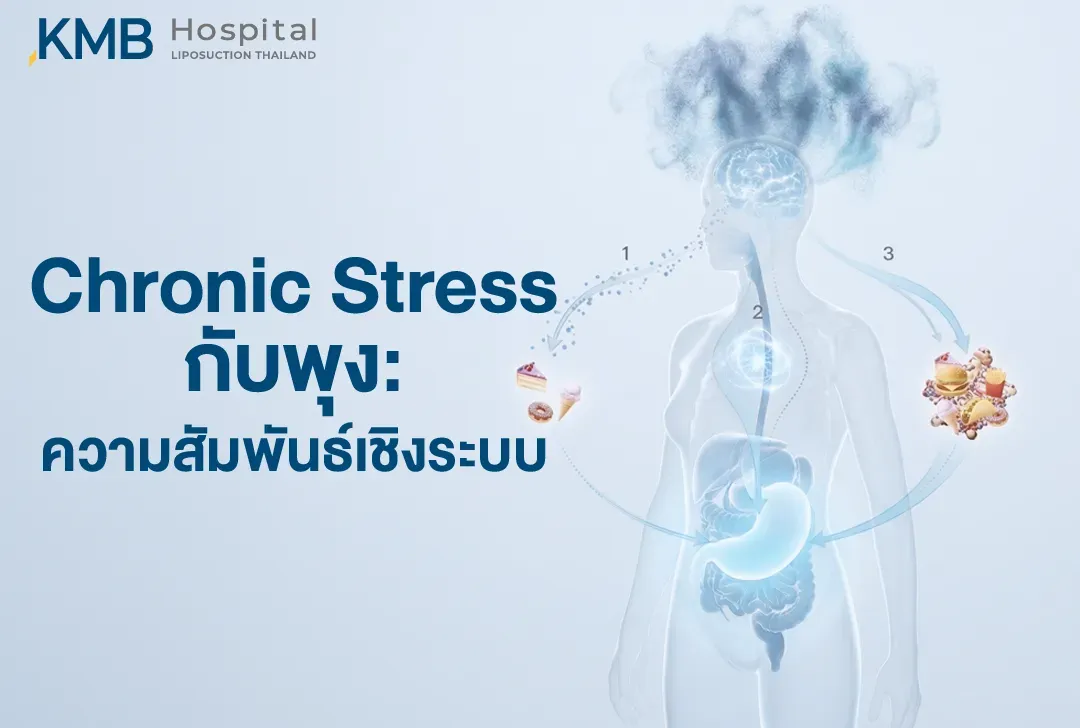
Research in psychology and metabolism has found an association between chronic stress and central adiposity at the level of correlation.
However, the mechanisms with stronger supporting evidence include:
- Changes in eating behavior
- Reward circuitry activation
- Choosing high-calorie foods
4️⃣ Stress Eating: A Stronger Variable Than a Cortisol Spike
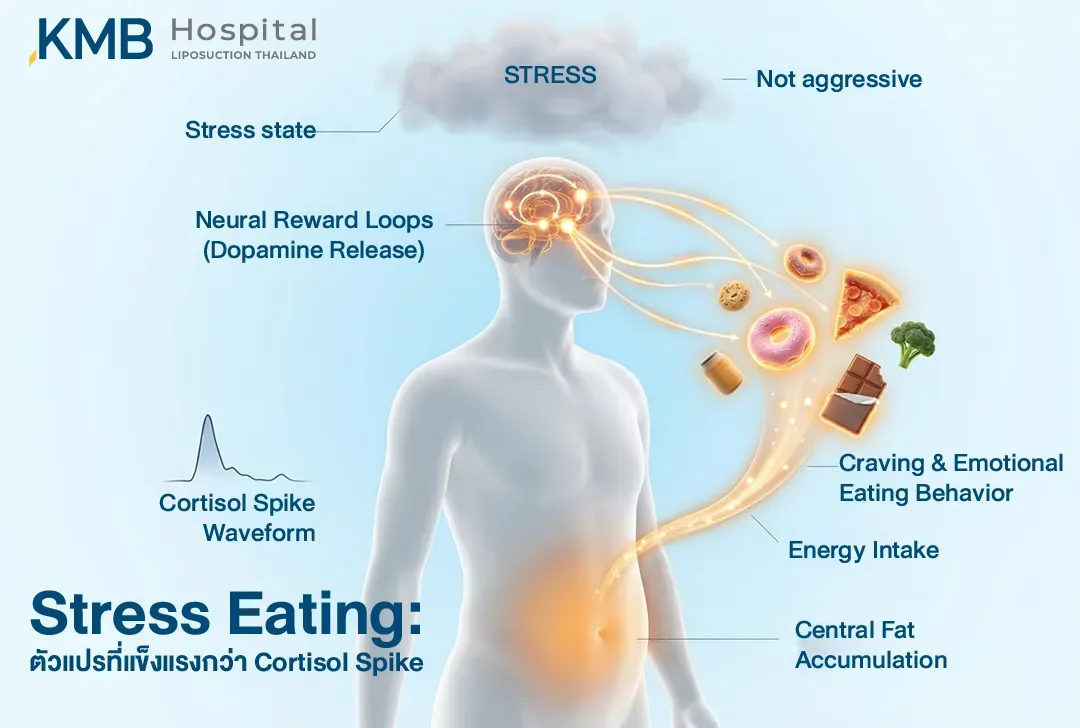
Under chronic stress, it has been observed that:
- Dopamine-driven reward seeking increases
- Cravings for sweet or high-fat foods increase
- Emotional eating increases
Research in psychiatry supports that stress is a risk factor for hedonic eating.
Read more about the mechanisms of appetite at True Hunger vs Craving: The Gut–Hormone Axis
5️⃣ Sleep and Circadian Disruption
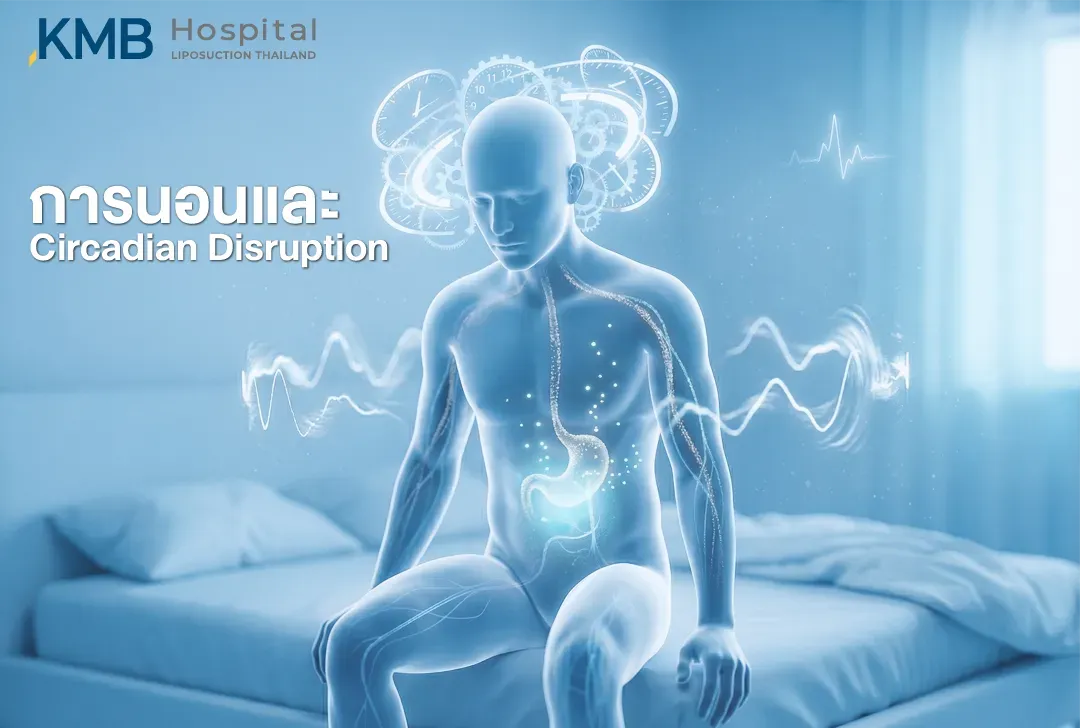
Chronic stress often comes with:
- Insufficient sleep
- Irregular sleep timing
- An imbalanced circadian rhythm
Disrupted sleep timing is associated with:
- Reduced insulin sensitivity
- Increased ghrelin
- Decreased leptin
Read more about circadian rhythm at Circadian Rhythm: How Your Body Clock Links the Gut and Hormones
6️⃣ Cortisol Spike ≠ Cortisol Dysregulation
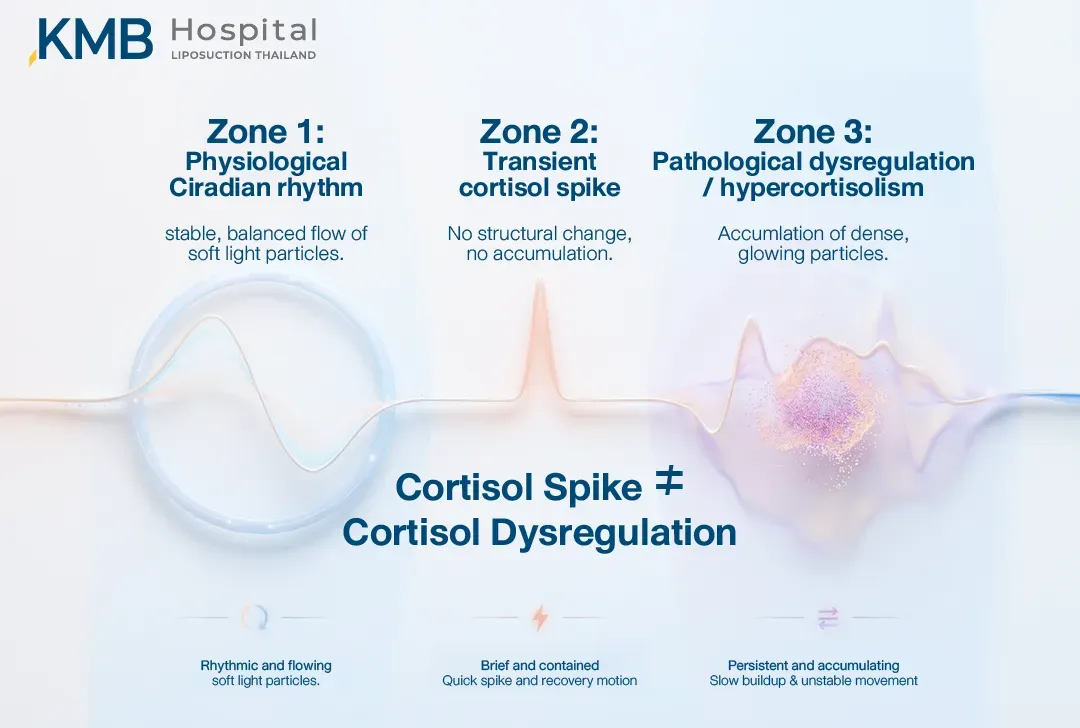
It is crucial to distinguish between:
- Physiological circadian fluctuation
- Pathological hypercortisolism
A temporary rise in cortisol within the normal range has not yet been shown to directly increase visceral fat.
7️⃣ The Gut–Stress–Metabolic Axis
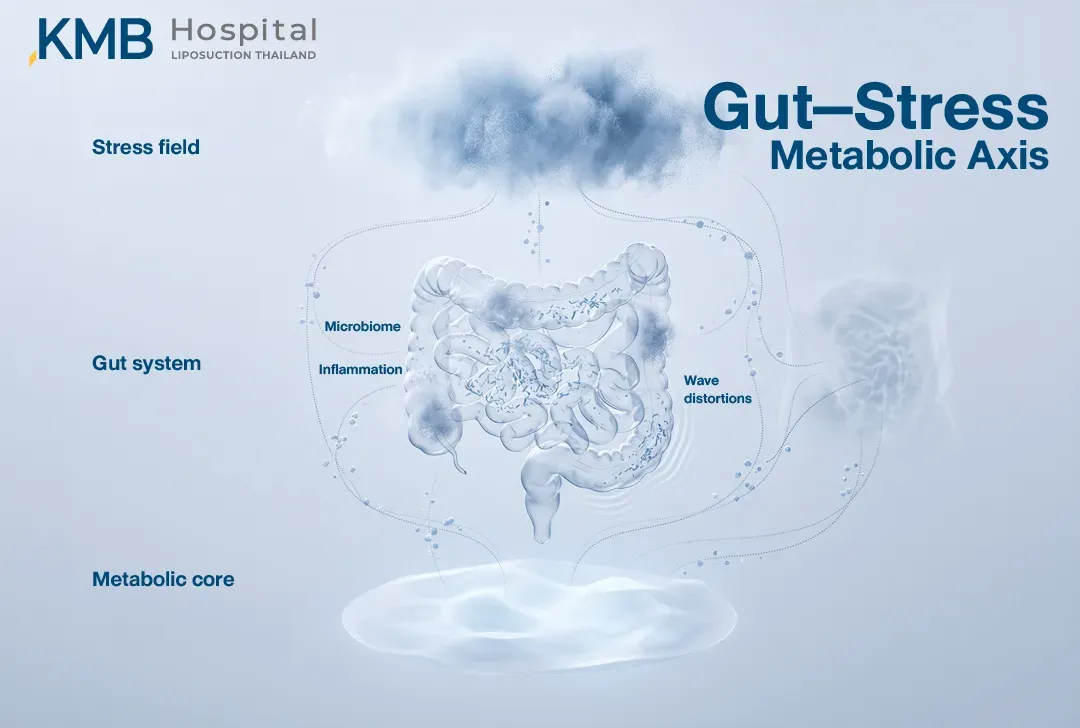
Chronic stress may be associated with:
- Altered gut signaling
- Low-grade inflammation
- Microbiome compositional shifts
At present, however, there is no causal evidence that stress alone directly increases visceral fat via the microbiome in healthy individuals.
Read more about the microbiome at Why Bacterial Diversity Matters More Than Taking a Single Strain
FAQ
Q: Does stress really make your belly bigger?
Chronic stress may be associated with increased abdominal fat, but the evidence indicates that behavioral factors—such as stress eating and disrupted sleep timing—play a more important role than a temporary rise in cortisol.
Q: Does cortisol increase abdominal fat?
In conditions of chronically abnormal cortisol elevation, such as Cushing’s syndrome, visceral fat can increase. In the general population, however, a short-term cortisol spike has not been shown to directly increase abdominal fat.
Q: Why do you crave sweets when stressed?
Stress can activate the brain’s reward circuitry, leading to hedonic eating and cravings for high-calorie foods.
Q: Is sleep related to belly fat?
Sleep disruption can alter hunger hormones such as ghrelin and leptin, and is associated with increased energy intake.
Recommended Further Reading
- What Cortisol Is in Real Life
- True Hunger vs Craving
- How Dietary Fiber Helps Control Blood Sugar Through Bacteria
- Sugar, Dysbiosis, and Sugar Craving
- Post-Meal Crash: Is Feeling Sleepy After Eating Related to Insulin?
References
- Nieman LK. Cushing’s syndrome: update on signs, symptoms and pathophysiology. Endocrinol Metab Clin North Am. 2020.
- Lee MJ, et al. Roles of glucocorticoids in adipose tissue biology. Endocr Rev. 2021.
- Tomiyama AJ, Finch LE, Cummings JR. Stress and obesity. Annu Rev Psychol. 2020.
- Sinha R, Jastreboff AM. Stress as a common risk factor for obesity and addiction. Biol Psychiatry. 2021.
- Broussard JL, Van Cauter E. Sleep and circadian rhythms in obesity risk. Physiol Rev. 2021.
Content Information
Written by: Medical Content Team, KMB Hospital
Reviewed by: Clinical Governance Committee, KMB Hospital
Published: 25 March 2026
Last updated: 25 March 2026