
How Stress Alters the Gut Microbiome
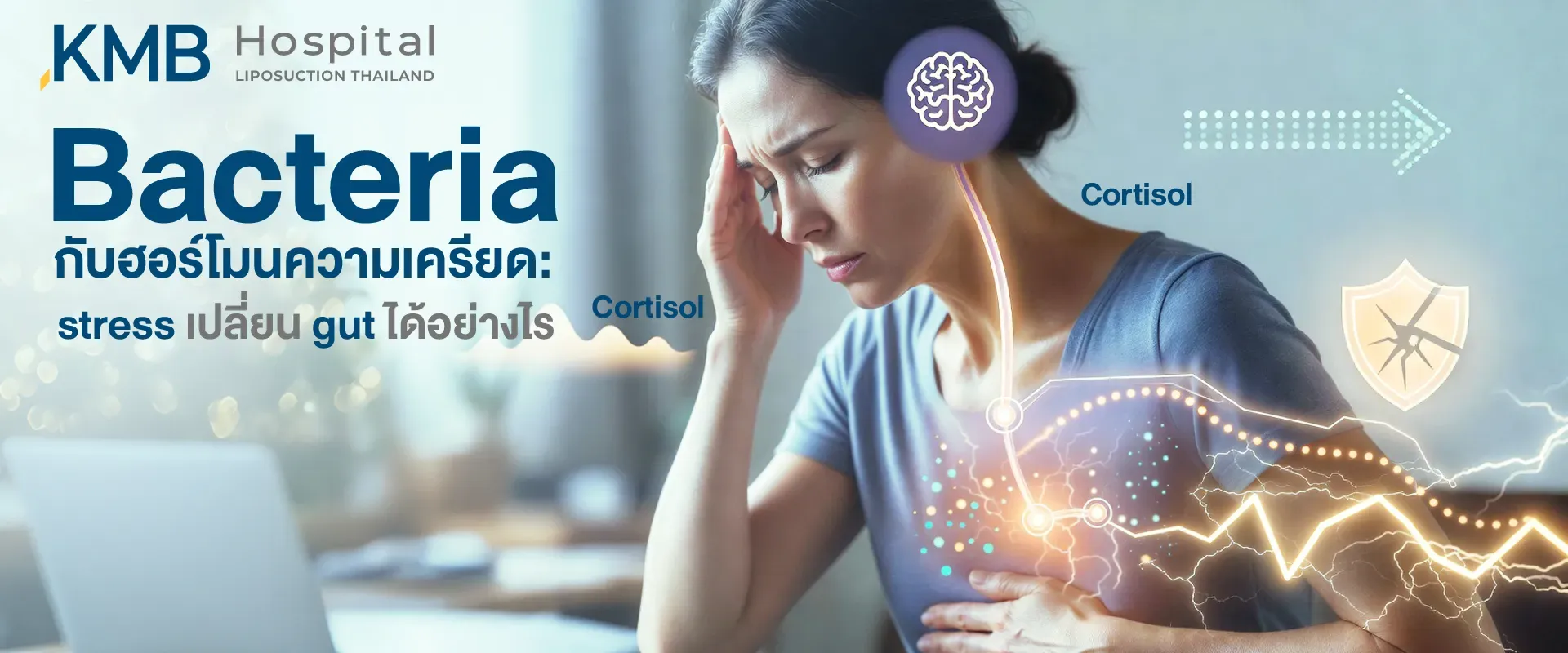
Bacteria and Stress Hormones: How Stress Alters the Gut
Stress is not merely an emotional state; it is a physiological response that activates several systems at once, particularly the hypothalamic–pituitary–adrenal (HPA) axis and the autonomic nervous system.
When stress occurs, the body releases cortisol and catecholamines, which affect gut physiology in numerous ways, including motility, mucosal secretion, immune signaling, and barrier integrity.
A systematic review in humans found that psychological stress is associated with changes in gut microbiota composition,¹ and reviews of the gut–brain axis explain that stress can modify gut physiology across multiple dimensions.²
To understand the bigger picture of communication between the gut and the brain, you can read more in the article How Gut Bacteria “Talk to the Brain”, which explains the microbiota–gut–brain axis from a physiological perspective.
Table of Contents
1) HPA Axis and Autonomic Regulation
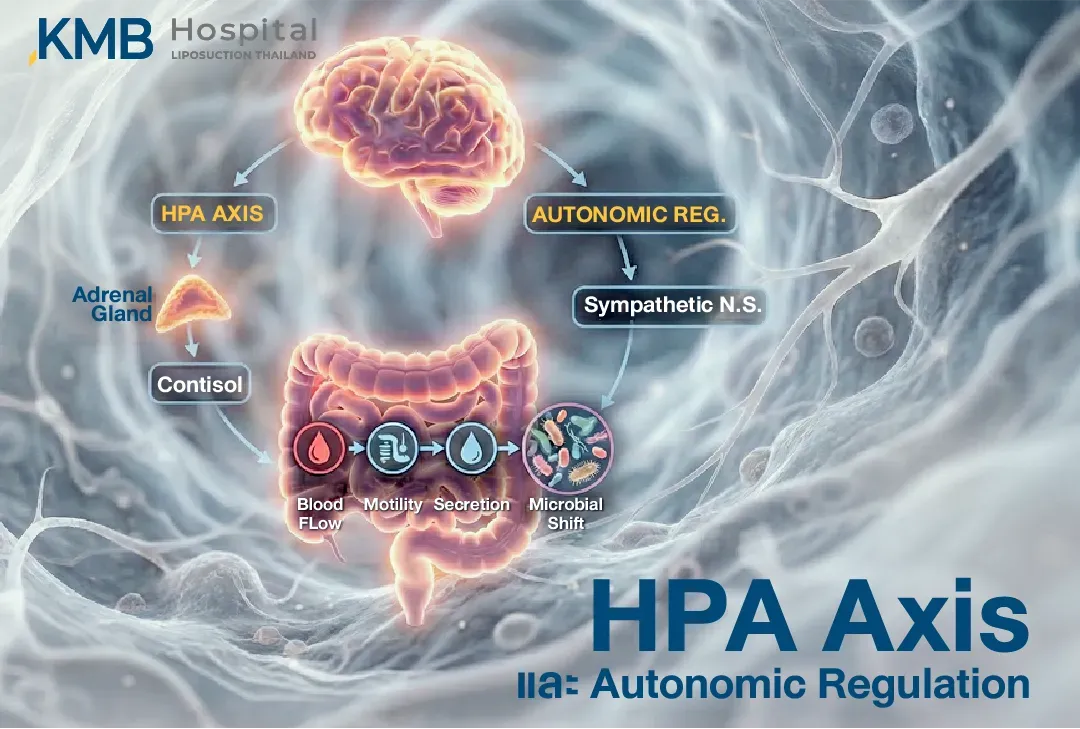
When the brain perceives stress, the HPA axis is activated in sequence:
- The hypothalamus releases CRH
- The pituitary releases ACTH
- The adrenal gland releases cortisol
Cortisol plays a role in metabolism and immune regulation, while at the same time the sympathetic nervous system is activated in parallel.
Sympathetic activation can change gut physiology, such as:
- gut blood flow
- motility patterns
- mucosal secretion
These changes in autonomic tone may create a new gut environment that affects the microbial niche and microbial turnover.
This concept connects to the workings of the gut–brain axis, described in the article How Gut Bacteria “Talk to the Brain”.
2) Cortisol and the Gut Barrier
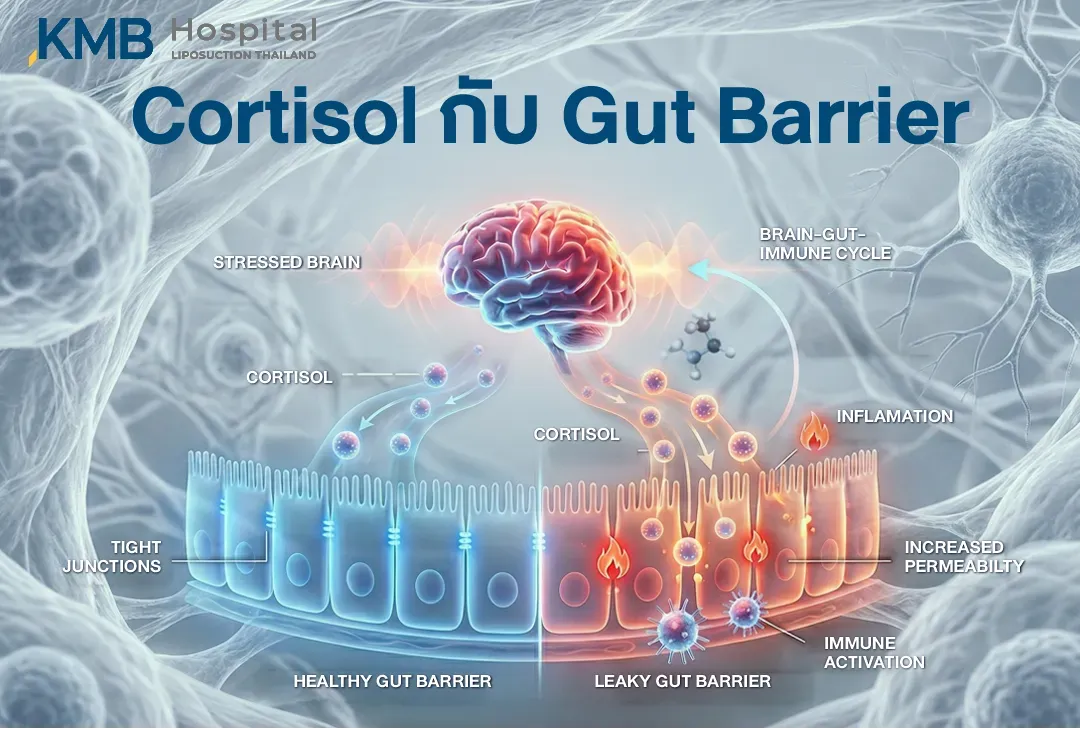
Translational reviews propose that stress may be associated with:
- increased intestinal permeability
- altered tight junction protein expression
- low-grade inflammatory signaling
When barrier integrity changes, low-level immune activation may occur, which is part of the brain–gut–immune interaction loop.
This kind of condition is related to the concept of dysbiosis, described in the article Dysbiosis and Frequent Hunger.
However, human evidence cannot yet confirm a causal pathway in every case.
3) Stress and Microbiome Composition
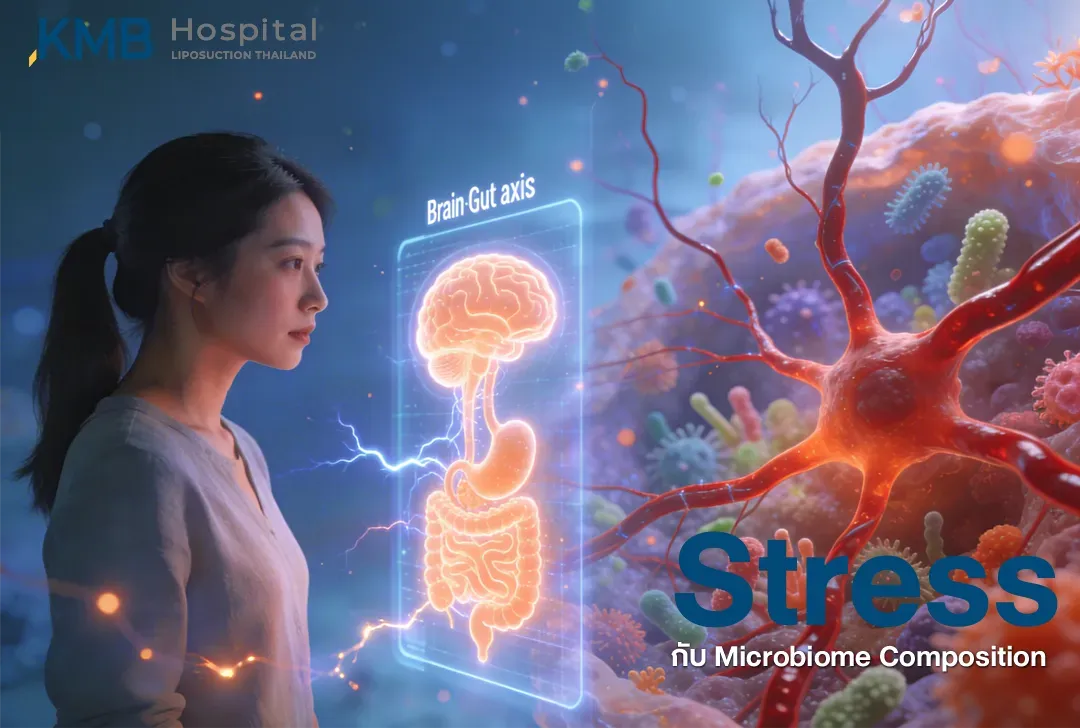
Systematic reviews in humans report that stress is associated with:
- reduced alpha diversity in some cohorts
- changes in certain taxa
- high variability between individuals
Microbiome diversity is one of the key factors for the stability of the microbial ecosystem.
You can read more in the article Why Bacterial Diversity Matters More Than Eating a Single Type.
4) The Bidirectional Loop of the Gut–Brain Axis
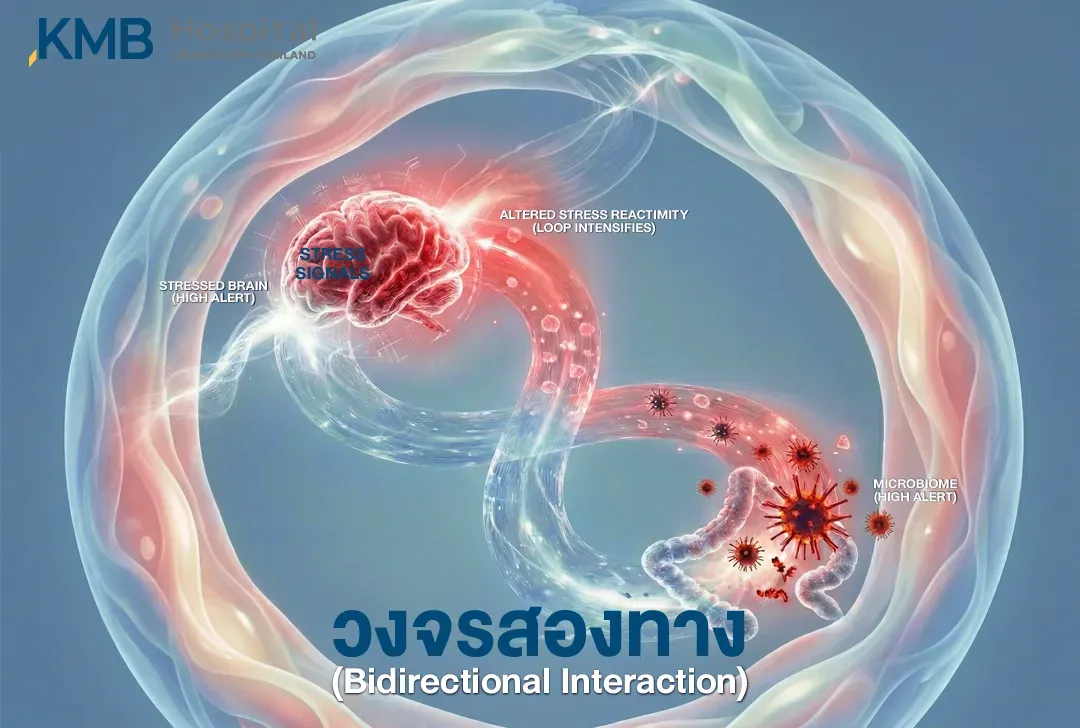
The microbiota–gut–brain axis concept is now recognized as a two-way communication system.
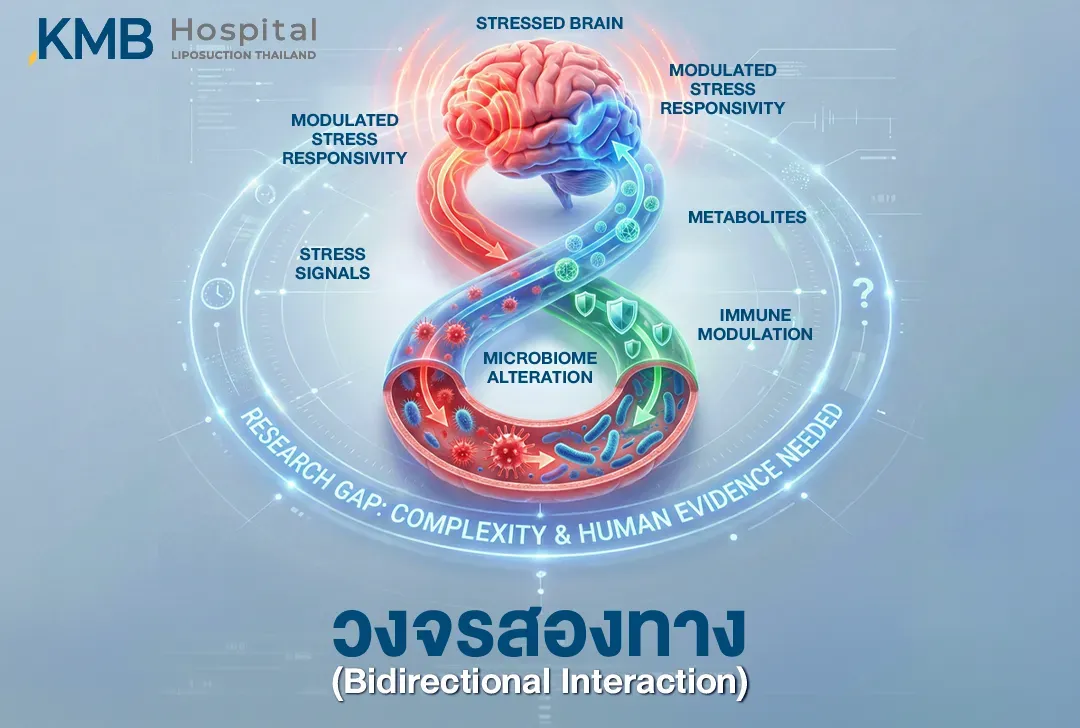
- Stress can change microbiome composition
- The microbiome may modulate stress responsivity through metabolite signaling and immune modulation
Examples of microbial metabolites that play a role in communicating with the body include short-chain fatty acids (SCFAs).
You can read more about SCFAs and their role in the hormonal system in the article SCFAs and Satiety Hormones.
5) Stress, Diet Shift, and the Microbiome
An increase in cortisol may be associated with:
- hedonic eating
- a preference for high-energy foods
This dietary shift can change microbiome composition to a further degree.
As a result, a systemic loop may emerge:
stress → dietary shift → microbiome alteration → immune & metabolic signaling change → altered stress reactivity
6) Circadian Rhythm and Cortisol Dynamics
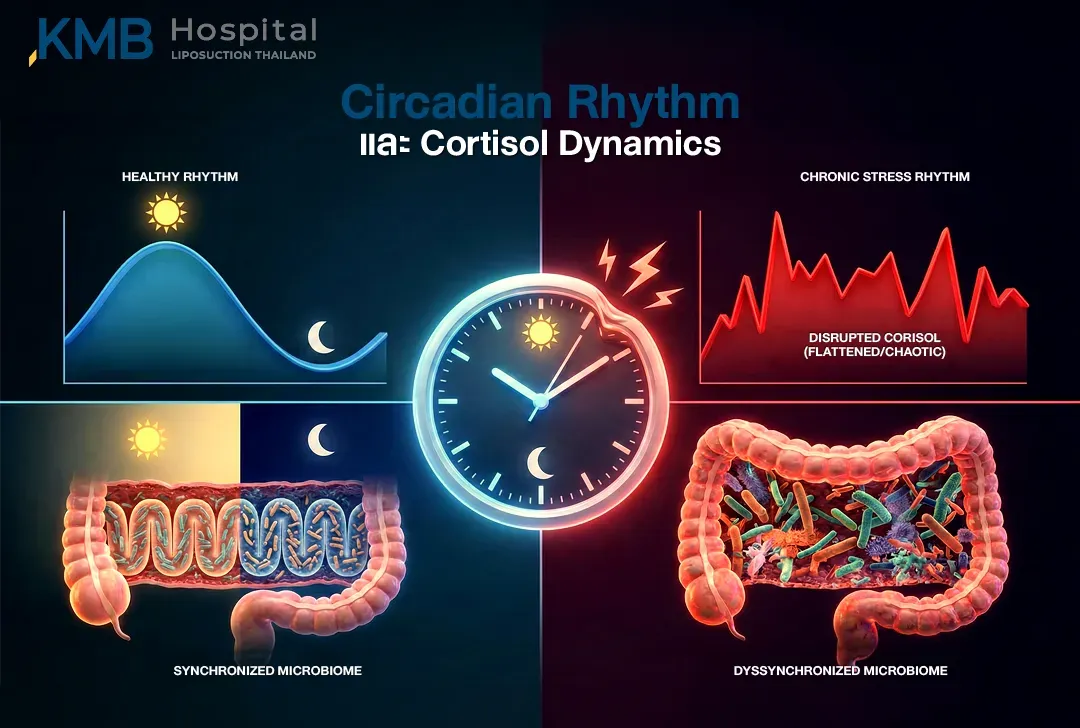
Cortisol has a circadian secretion rhythm, normally peaking in the morning and declining in the evening.
Chronic stress can disrupt this circadian rhythm, and some research suggests that disruption of the circadian cortisol pattern may be associated with altered microbiome rhythmicity.
This concept points to the possibility that the stress–microbiome interaction may involve the “timing” of hormonal signals, not merely hormone levels alone.
7) Limitations
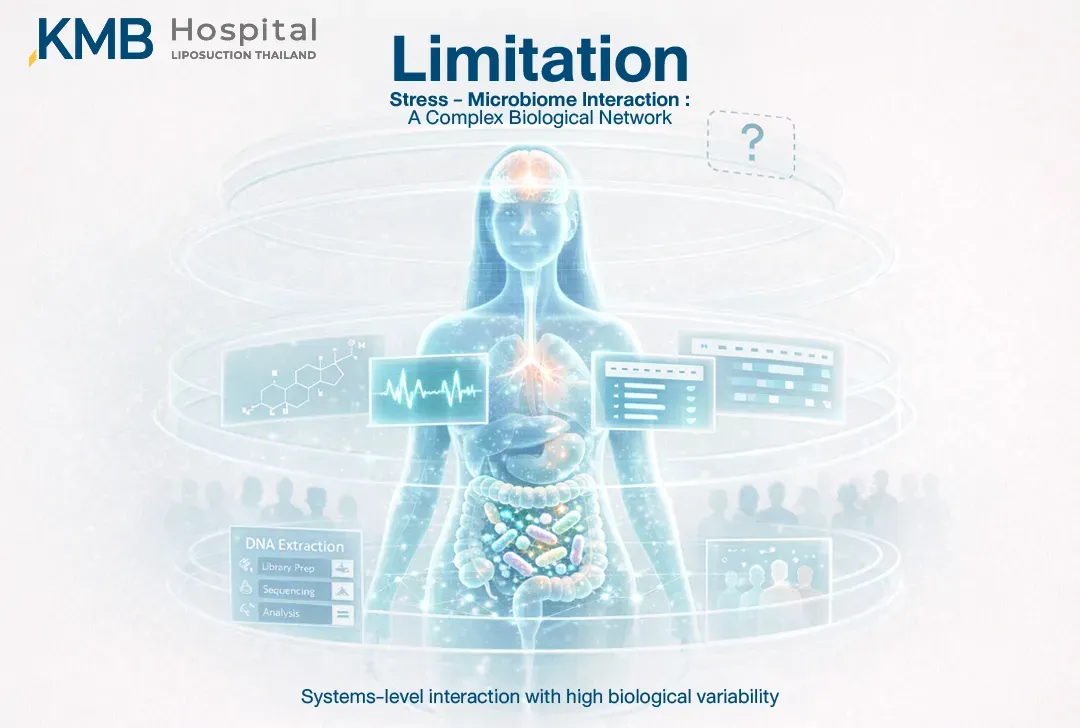
- Most human studies are still observational
- Methods of measuring stress differ between studies
- Microbiome sequencing pipelines differ
- Variability between individuals is high
- There is still no microbiome-based biomarker for directly assessing stress physiology in the clinic
Therefore, interpretation should remain within a systems biology framework rather than drawing linear causal conclusions.
Key Takeaway
These changes may be associated with microbiome shifts and immune signaling changes.
Conversely, the microbiome may play a role in modulating the sensitivity of the stress response through gut–brain pathways.
This relationship is a complex two-way network, and causal evidence in humans is still being developed.
Hospital Authority
KMB Hospital focuses on evaluating outcomes after liposuction programs fairly and over time, to provide care that is safe, reassuring, and respectful of the patient’s body.
Content Information
Written by: Medical Content Team, KMB Hospital
Reviewed by: Clinical Governance Committee, KMB Hospital
Published: 9 March 2026
Last updated: 9 March 2026
References
- Ma L, Zhang J, Liu Z, et al. Psychological stress and gut microbiota composition: A systematic review. Microbiome. 2023.
- Santos J, Alves MG, Oliveira PG, et al. Stress, microbiota, and the gut–brain axis in mental and digestive disorders. Brain Research Bulletin. 2025.
- Madison AA, Kiecolt-Glaser JK. Inflammation and intestinal permeability link stress-related physiology and the gut microbiome. Biological Psychiatry. 2024.
- Morys J, et al. Stress and the gut–brain axis: An inflammatory perspective. Frontiers in Molecular Neuroscience. 2024.
- Tan HE, O’Riordan KJ, Dinan TG. The microbiota–gut–brain axis in stress and depression. Frontiers in Neuroscience. 2023.