

What Is a Liposuction Program? Understanding Body Care Through a Medical Perspective
This article explains the liposuction program from a medical perspective as not merely the removal of fat, but a process of understanding the body's structure before treatment including the fat layers, skin elasticity, and overall proportions in order to plan a treatment suited to each individual. It also explains the role of liposuction as a means of refining proportions (Body Contouring) and the importance of systematic pre-treatment assessment and post-treatment care.
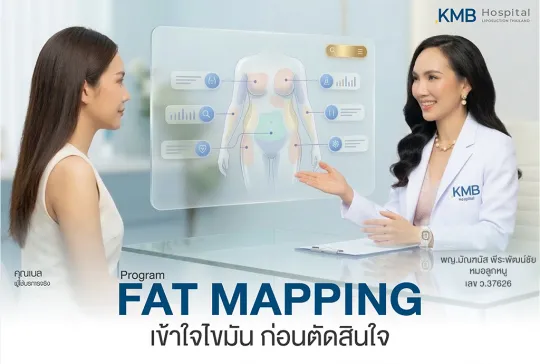
What Is FAT Mapping and Why Is It Important Before Planning a Liposuction Program?
FAT Mapping is a systematic process of analyzing fat layers before planning liposuction, helping the physician understand the fat structure and design a treatment suited to each individual.

What Is Liposuction, and How Is GLAM Liposculpt™ Different?
Understand liposuction as a procedure for reshaping body proportions rather than a weight-loss method, and learn about the GLAM Liposculpt™ concept, which emphasizes analyzing the fat structure before treatment.
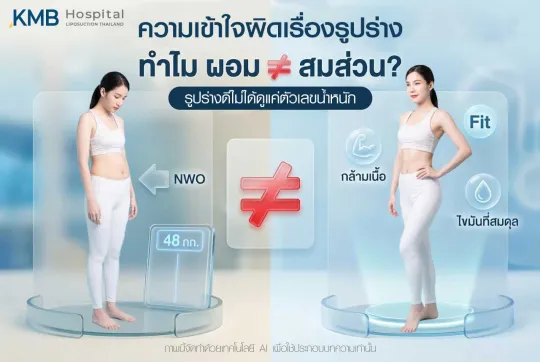
The Misconception About Body Shape: Why Thin ≠ Well-Proportioned
Why “thin” does not equal “well-proportioned” from a medical perspective, focusing on the role of Body Composition, fat distribution, muscle mass, and skin quality, while explaining that liposuction is body contouring rather than weight loss — helping you understand body shape and set appropriate expectations.

How to Choose an Abdominal Liposuction Program Safely
A guide to choosing abdominal liposuction safely, emphasizing medical systems, comprehensive care throughout the process, and clear communication for a careful decision.

Circadian Rhythm: How Your Body Clock Connects the Gut and Hormones
The gut's circadian rhythm affects hormones and the body's response to food.

Setting Realistic Expectations for Firmness After a Safe Abdominal Liposuction Program
This article summarizes a medical framework for understanding “firmness after an abdominal liposuction program,” explaining the factors that affect results—such as skin elasticity, existing muscle structure, the amount of fat reduced, and Body Composition—to help you understand your body's limitations and set reasonable expectations for the outcome.
Which Types of Belly Fat Can't Be Removed by Liposuction? Identify Your Belly Type Before Deciding on Abdominal Liposuction
Which types of belly fat can't be removed by liposuction? We explain the differences between a belly caused by subcutaneous fat, visceral fat, and loose skin, along with the precautions to consider before deciding on abdominal liposuction.
Which Type of Belly Can Be Treated with Abdominal Liposuction? Frequently Asked Questions Before You Decide
Which type of belly can be treated with abdominal liposuction? Explaining the difference between a belly caused by subcutaneous fat and one caused by visceral fat, along with frequently asked questions before deciding on abdominal liposuction.
Belly Fat from Subcutaneous Fat: Can Abdominal Liposuction Help? | KMB Hospital
Which type of belly fat can be removed with liposuction, and which type may not respond to abdominal liposuction. Explaining the difference between subcutaneous fat and visceral fat.

How Dietary Fiber Helps Control Blood Sugar and Insulin
Dietary fiber helps control blood sugar by producing SCFAs and improving insulin sensitivity

How Sugar Affects Gut Dysbiosis
High amounts of sugar may shift the balance of the microbiome and trigger the craving cycle