

How Lifestyle Rhythm Affects Metabolic Health
Lifestyle rhythm is the consistency of your sleep, eating, and exercise, which affects metabolism, insulin, and overall health more than diet control alone.
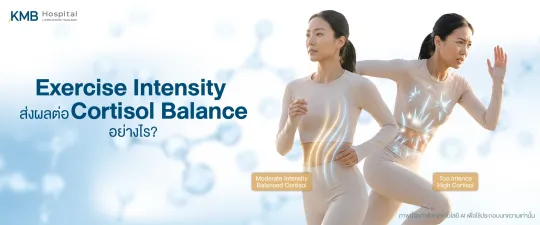
How Exercise Intensity Affects Cortisol Balance
How does exercise intensity affect cortisol? Explaining the difference between moderate vs high intensity for hormonal balance, the HPA axis, and metabolic health.
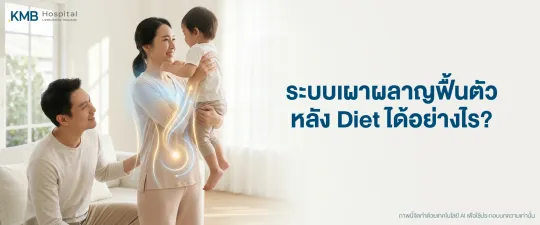
How Metabolism Recovers After Dieting
How metabolism recovers after dieting: explaining metabolic recovery and the body's adaptation after weight loss, along with strategies to help metabolism return to balance

Longevity Pathways and Metabolism
Longevity pathways are cellular mechanisms that regulate metabolism, such as mTOR, AMPK, Sirtuins, and Autophagy. This article explains their connection to metabolic health and to caring for the body in humans

How Aging Affects Microbiome Diversity
How are aging and gut microbiome diversity related? Research suggests that lifestyle, diet, and medication may affect the microbiome more than chronological age alone.
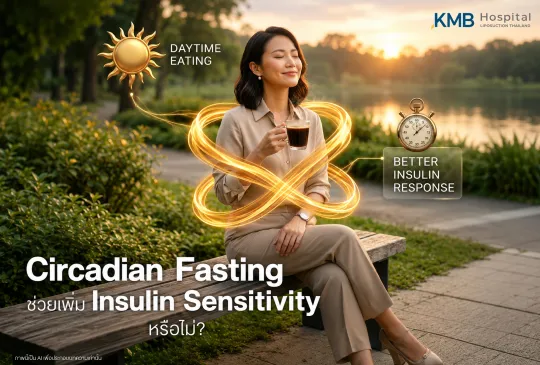
Does Circadian Fasting Improve Insulin Sensitivity?
Circadian fasting, or early time-restricted eating, is the practice of confining the eating window to align with the biological clock. Research in chrononutrition has found that insulin sensitivity is typically higher in the morning, while late-night eating is associated with glucose dysregulation and metabolic imbalance.
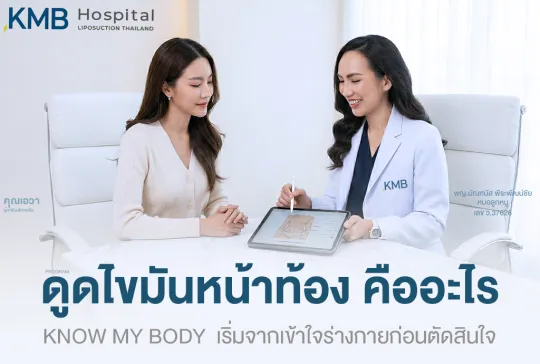
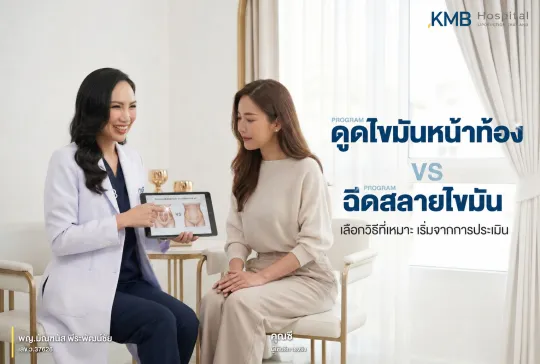
Abdominal Liposuction vs Fat Dissolving Injection: What Is the Difference?
The question of how abdominal liposuction and a fat dissolving injection differ
has this answer: the two methods play different roles in managing abdominal fat. A fat dissolving injection is often used when the aim is to manage fat in small or localized areas, and the results may be gradual, whereas a liposuction program using the GLAM Liposculpt™ technique is a plan to directly manage subcutaneous fat in order to help define the proportions of the torso more clearly. Choosing the appropriate method should therefore depend on the characteristics of the fat, the amount of fat, the structure of the abdomen, and the physician’s assessment.
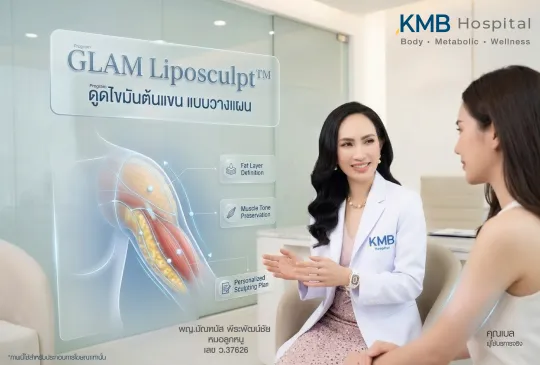
Will Fat Come Back After Arm Liposuction?
Will fat come back after arm liposuction?
The answer is that the fat does not return in its original form, but the body can still accumulate new fat if habits change. This is why assessing your fat structure and planning appropriate treatment is essential for long-term results.
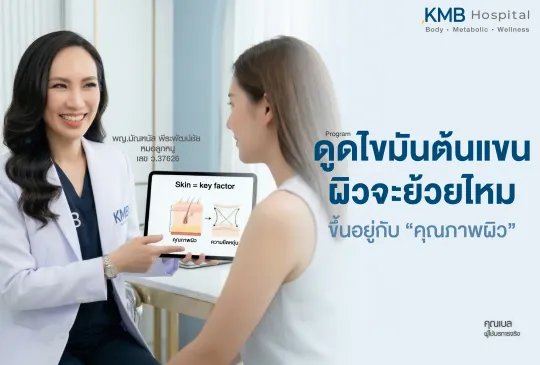
Will Skin Become Loose After Arm Liposuction?
Will Skin Become Loose After Arm Liposuction?
Whether the skin will become loose after arm liposuction depends on skin elasticity. If the skin is still in good condition, it may not become loose, but in some cases the physician may recommend combining it with a skin-tightening program for a firmer-looking result.
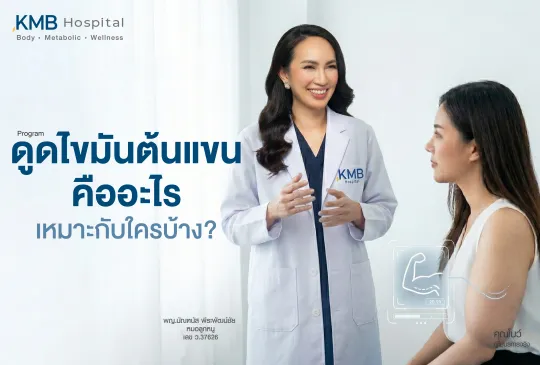
Arm Liposuction: What It Is and Who It May Be Suitable For
Arm Liposuction: What It Is and Who It May Be Suitable For (Arm Liposuction: What It Is and Who It May Be Suitable For)
Arm liposuction is a way to refine the proportions of the arm for those who have localized fat accumulation even when overall body weight is not high, helping the arms look slimmer. The decision should begin with the characteristics of the fat and an assessment by a physician to ensure suitability and safety.
How Protein Timing Affects Satiety Signals
Protein timing is the management of when protein is eaten and how it is distributed across meals, which affects satiety hormones such as GLP-1, PYY, CCK, and ghrelin. This article explains the effects of breakfast protein, protein distribution, and the relationship with insulin sensitivity and the microbiome.